
Your list is empty, add products to the list to send a request










Fire Detection for Marine & Offshore Applications

13
Jul
Fire Detection for Marine & Offshore Applications is the foundation of safety for every vessel, drilling rig, and offshore platform operating in one of the world’s harshest environments. Salt spray, constant vibration, extreme humidity, and confined machinery spaces create fire risks that land-based systems simply aren’t built to handle. That’s why marine and offshore facilities rely on purpose-built fire alarm systems, smoke detectors, flame detectors, and gas detection systems designed specifically to withstand corrosive, high-risk conditions.
At Fire Supplies, we specialize in supplying certified fire safety products and fire protection equipment engineered for ships, FPSOs, oil rigs, and offshore wind installations. In this guide, we’ll walk through how marine fire detection works, the technologies involved, where they’re used, and how to choose the right system for your vessel or platform.
What Is Fire Detection for Marine & Offshore Applications?
Fire Detection for Marine & Offshore Applications refers to the specialized network of sensors, control panels, and alarm devices used to detect smoke, heat, flame, or combustible gas on ships, offshore platforms, and marine structures. Unlike standard building fire alarm systems, marine systems are built to resist saltwater corrosion, withstand constant motion, and operate reliably in explosive or high-vibration environments.
In simple terms: a marine fire detection system identifies the earliest signs of fire whether that’s rising heat, smoke particles, an open flame, or a gas leak and instantly alerts the crew through an integrated ship fire alarm system. This early warning is often the difference between a contained incident and a catastrophic loss at sea.
These systems typically combine several detector types working together, all connected to a central fire alarm control panel that monitors, logs, and responds to every triggered event in real time.
Technical Details of Marine & Offshore Fire Detection Systems
Marine and offshore fire detection equipment must meet strict technical benchmarks to perform reliably under pressure. The table below summarizes the core technical characteristics buyers should understand.
| Feature | Description |
| Detection Technology | Optical smoke sensing, heat-rise/rate-of-rise sensing, UV/IR flame sensing, catalytic & infrared gas sensing |
| Communication Bandwidth | High-bandwidth digital loops supporting real-time, multi-point data transmission across the vessel |
| Panel Synchronization | Multi-panel sync allows several fire alarm control panels across different decks or zones to share status and alarms instantly |
| Loop Architecture | Expandable loops that allow additional detectors, call points, or sounders to be added as the vessel or platform is upgraded |
| Housing & Enclosure | Marine-grade, corrosion-resistant enclosures (typically IP66/IP67 rated) to withstand saltwater spray and humidity |
| Power Supply | Dual power input with battery backup to maintain operation during power loss |
| Certification | IEC 60079 (hazardous area), SOLAS compliance, IACS type approval, EN 54 series |
| Response Time | Flame detectors typically respond within milliseconds; smoke and heat detectors within seconds |
This combination of high-bandwidth communication, synchronized panels, and expandable loop design ensures that a marine fire detection system can scale with a growing vessel or offshore facility without requiring a complete system overhaul.
Applications and Use Cases of Marine Fire Detection Systems
Offshore fire detection and marine fire alarm technology are deployed across a wide range of maritime environments, each with unique fire risks and detection requirements.
Common vessel and platform areas protected include:
- Engine rooms and machinery spaces
- Cargo holds and cargo tank areas
- Accommodation blocks and crew quarters
- Control rooms and electrical rooms
- Galleys and food preparation areas
- Pump rooms and process modules
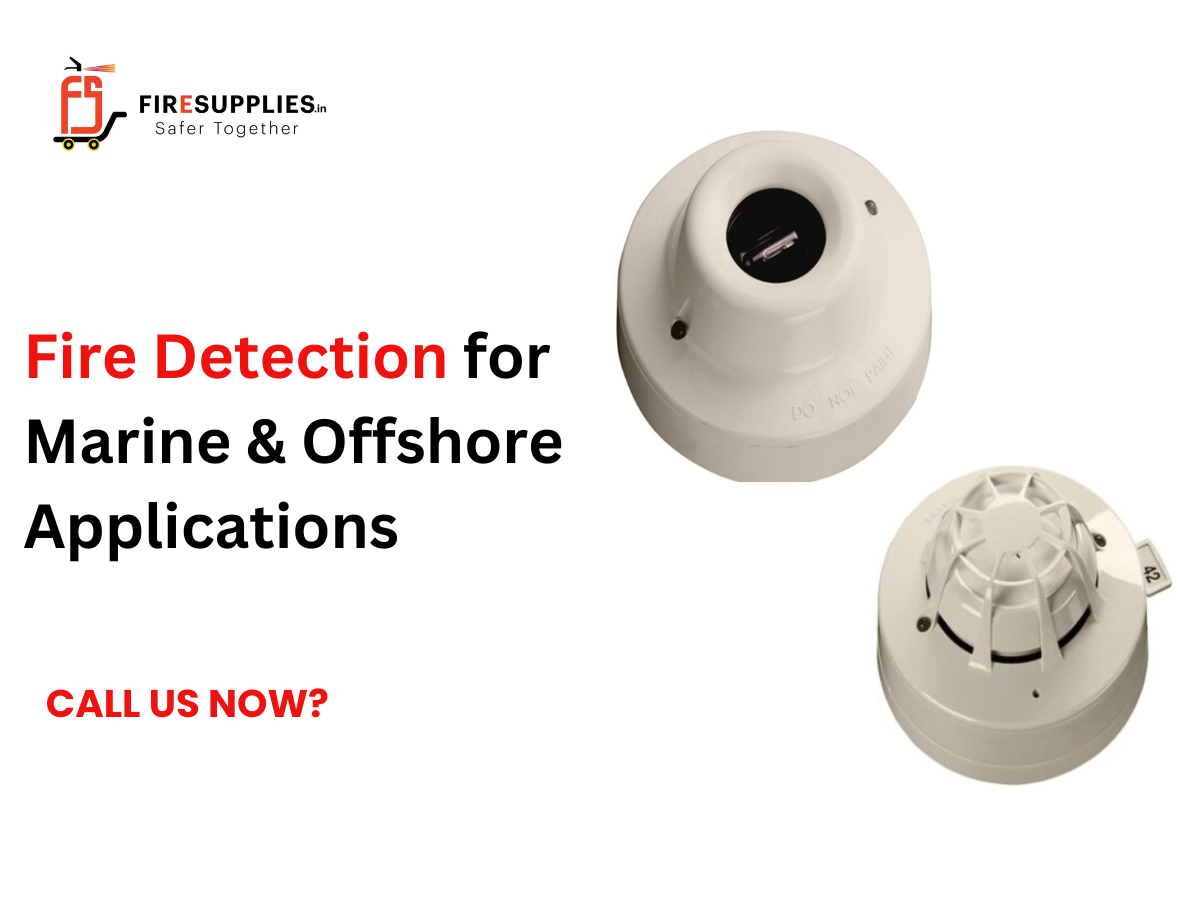
Different detector types are matched to different hazards. A marine smoke detector is typically installed in accommodation areas and control rooms where early smoke detection protects both people and sensitive electronics. Meanwhile, an offshore flame detector often a UV IR flame detector is better suited to open-deck areas, process modules, and drilling platforms where flammable gases and liquids pose a rapid ignition risk.
A marine gas detection system is essential wherever combustible or toxic gases may accumulate, such as pump rooms, cargo tanks, and enclosed machinery spaces on LNG carriers and offshore production platforms.
Industries that depend heavily on these systems include:
- Offshore oil and gas platforms
- Marine shipping and commercial vessels
- LNG terminals and carriers
- FPSO (Floating Production Storage and Offloading) facilities
- Offshore wind farms
- Ports and harbour infrastructure
- Naval and defense vessels
- Marine engineering and shipbuilding
Advantages and Limitations of Offshore Fire Detection Systems
Understanding the strengths and constraints of fire detection for ships helps operators set realistic expectations and plan maintenance accordingly.
Advantages:
- Early warning significantly reduces injury risk, equipment damage, and environmental impact
- Integration with Fire Suppression Systems allows automatic activation of extinguishing agents
- Multi-criteria detectors reduce false alarms by cross-referencing smoke, heat, and gas data
- Corrosion-resistant housings extend equipment lifespan in saltwater environments
- Expandable loop architecture supports future vessel upgrades without full replacement
Limitations:
- Harsh marine conditions (vibration, humidity, salt exposure) can accelerate sensor wear if maintenance is neglected
- Flame detectors require a clear line of sight, which can be obstructed by equipment or structural layout
- Gas detectors need regular calibration to maintain accuracy
- Initial installation and certification costs can be higher than standard land-based systems
Choosing detectors engineered specifically for marine fire safety, rather than adapting industrial land-based equipment, is the most effective way to minimize these limitations.
Buying Guide: Choosing the Right Marine Fire Detection System
Selecting the right system depends on your vessel type, operating environment, and regulatory requirements. Here’s a short checklist to guide your decision:
- Identify your fire hazards cargo type, machinery layout, and gas risks all influence detector selection
- Match detectors to zones use smoke detectors for enclosed crew spaces, flame detectors for open process areas, and gas detectors for tanks and pump rooms
- Verify certification confirm SOLAS compliance, IACS type approval, and relevant IEC/EN standards
- Check environmental rating look for marine-grade, corrosion-resistant housings (IP66/IP67 minimum)
- Plan for expansion choose a control panel and loop architecture that can scale as your fleet or platform grows
- Consider integration ensure compatibility with existing Fire Alarm Control Panels, Gas Detection Systems, and emergency shutdown systems
For high-risk zones requiring rapid flame response, systems like the SIL2 flame detector marine range or platforms such as Apollo Discovery Marine and Series 65 Marine Flame detectors are widely trusted across offshore and shipping applications for their reliability and certification standards.
FAQs About Fire Detection for Marine & Offshore Applications
- Why are fire detection systems important for marine and offshore applications?
Fire detection systems provide early warning of fire and smoke, helping protect crew members, vessels, offshore platforms, and critical equipment. Early detection reduces the risk of injury, equipment damage, environmental incidents, and operational downtime in challenging marine environments. - What types of fire detectors are used on ships and offshore platforms?
Marine and offshore facilities use different fire detectors based on the fire hazards and operating conditions. Common detector types include:
- Smoke detectors
- Heat detectors
- Flame detectors (UV/IR)
- Gas detectors
- Beam smoke detectors
- Duct smoke detectors
- Multi-criteria detectors
- Why are flame detectors commonly used on offshore oil and gas platforms?
UV/IR flame detectors provide rapid detection of open flames from flammable liquids and gases. They are widely used on offshore platforms because they can detect fires quickly in areas where smoke may disperse due to strong ventilation or open-air conditions. - Which areas on a vessel require fire detection systems?
Fire detection systems should be installed in locations where fire hazards are present or where early detection is essential. Typical protected areas include:
- Engine rooms
- Machinery spaces
- Cargo holds
- Accommodation areas
- Control rooms
- Electrical rooms
- Galleys
- Pump rooms
- Can marine fire detection systems integrate with other safety systems?
Yes, modern marine fire detection systems can integrate with fire suppression systems, emergency alarms, gas detection systems, ventilation controls, and vessel monitoring systems. Integration enables faster emergency response and improved safety management. - What challenges do marine fire detection systems face?
Marine fire detection equipment must operate reliably despite harsh environmental conditions. Salt spray, humidity, vibration, temperature fluctuations, and corrosive atmospheres require detectors and control panels specifically designed for marine and offshore use. - How often should marine fire detection systems be inspected?
Marine fire detection systems should be inspected, tested, and maintained regularly according to the manufacturer’s recommendations and applicable maritime regulations. Routine maintenance helps ensure dependable operation during emergencies. - Which industries use offshore fire detection systems?
Fire detection systems are essential in industries operating in marine and offshore environments. Common sectors include:
- Offshore oil and gas
- Marine shipping
- LNG terminals
- FPSO facilities
- Offshore wind farms
- Ports and harbours
- Naval vessels
- Marine engineering
- What should I consider when selecting a marine fire detection system?
Choose a system based on the fire hazards, environmental conditions, vessel type, and applicable marine safety standards. Consider detector technology, corrosion resistance, system compatibility, ease of maintenance, and future expansion requirements before making a selection. - Where can I buy marine and offshore fire detection systems?
Marine and offshore fire detection systems are available from authorized fire safety equipment suppliers specializing in industrial and maritime applications. Working with an experienced supplier helps ensure the correct system design, certified products, technical support, and reliable maintenance services.
Standards & Certifications for Marine Fire Detection Systems
Marine and offshore fire detection equipment must comply with internationally recognized maritime and industrial safety standards, including:
- SOLAS (Safety of Life at Sea) the primary international treaty governing fire safety requirements on commercial vessels
- IACS (International Association of Classification Societies) type approval ensures equipment meets recognized classification society standards for marine use
- IEC 60079 international standard for equipment used in explosive atmospheres, critical for offshore oil and gas platforms
- EN 54 series European standard covering fire detection and fire alarm system components
- SIL2 (Safety Integrity Level 2) a functional safety rating indicating a detector’s reliability in reducing risk, commonly required for flame detectors in hazardous offshore zones
Working with a supplier who understands these certifications ensures your vessel or platform remains compliant with flag state and classification society requirements, avoiding costly delays during inspection and survey.
Protect Your Vessel with the Right Fire Detection System
Reliable Fire Detection for Marine & Offshore Applications isn’t optional it’s a critical layer of protection for your crew, your vessel, and your operations. Whether you need a ship fire alarm system, UV IR flame detector, or a complete marine gas detection system, Fire Supplies offers certified, marine-grade equipment backed by expert technical support.
Ready to upgrade your vessel’s fire safety? Contact our team today for a free consultation and find the right fire safety equipment supplier for your marine or offshore project. Explore our full range, including Fire Alarm Control Panels, Smoke Detectors, Heat Detectors, UV/IR Flame Detectors, Gas Detection Systems, Manual Call Points, Fire Alarm Hooters & Strobes, Fire Alarm Cables, Fire Suppression Systems, and Industrial Fire Safety Equipment get in touch now to request a quote.

