
Your list is empty, add products to the list to send a request








ABC vs DCP Fire Extinguisher, What’s the Difference?

26
Feb
When choosing the right fire safety equipment, many buyers get confused about ABC vs DCP Fire Extinguisher options. Both are dry powder extinguishers, but their applications, composition, and fire ratings can vary depending on design and certification. Understanding the difference is critical for selecting the right fire prevention equipment for homes, offices, factories, and electrical installations. In this detailed guide, Fire Supplies explains everything you need to know in clear, simple language.
Whether you want to Buy ABC fire extinguisher units for residential use or a DCP fire extinguisher for electrical fires in industrial panels, this article will help you make the right decision.
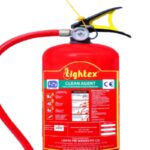
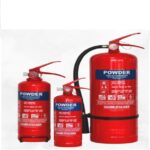
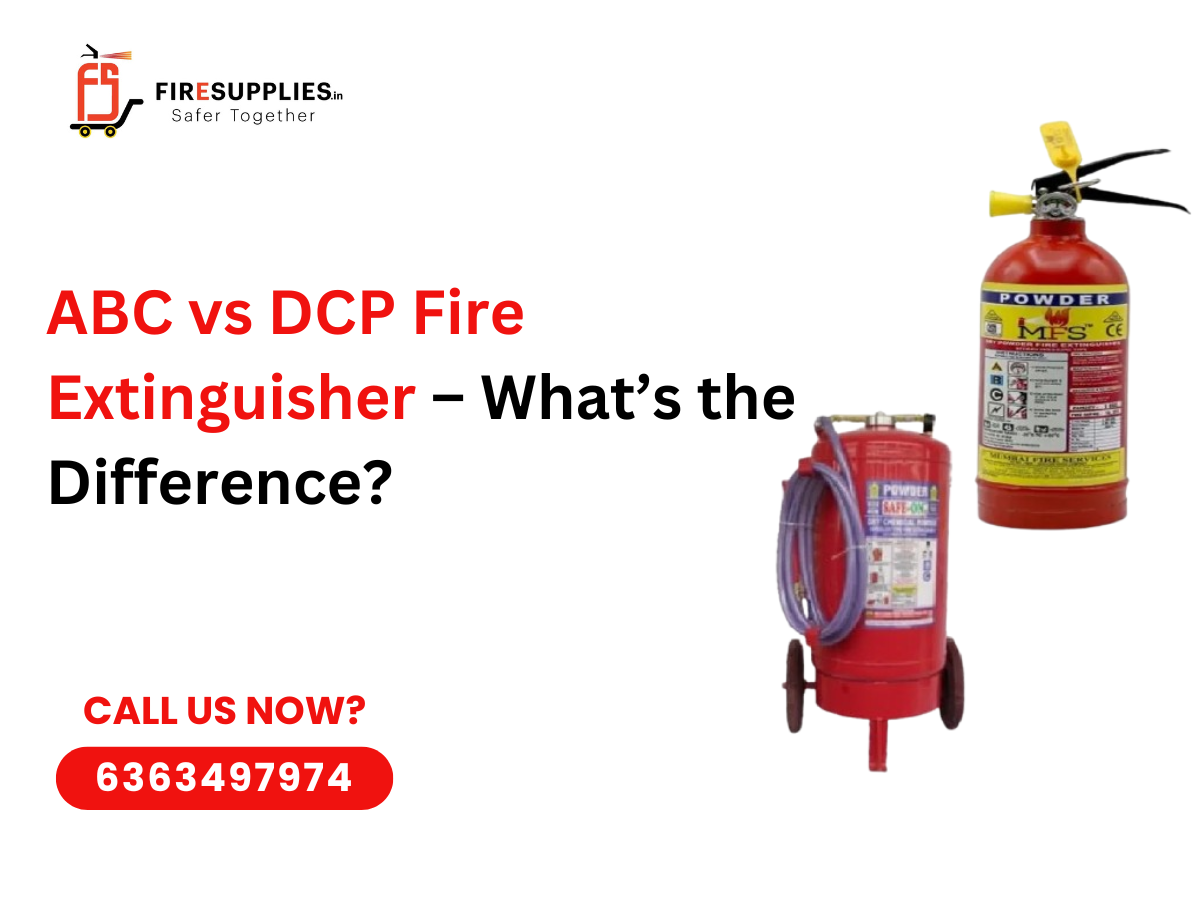
ABC vs DCP Fire Extinguisher An ABC fire extinguisher is a multi-purpose dry chemical powder extinguisher designed to combat Class A (solid materials), Class B (flammable liquids), and Class C (electrical) fires.
A DCP fire extinguisher (Dry Chemical Powder extinguisher) is a powder-based extinguisher primarily used for Class B and Class C fires and may not always be rated for Class A unless specifically marked as ABC type.
In most modern products, ABC extinguishers are a type of DCP extinguisher, but not all DCP extinguishers are ABC-rated.
ABC vs DCP Fire Extinguisher – Technical Comparison Table
| Feature | ABC Fire Extinguisher | DCP Fire Extinguisher |
| Extinguishing Agent | Monoammonium phosphate powder | Sodium bicarbonate or similar powder |
| Fire Classes Covered | A, B, C | B, C (sometimes A if rated) |
| Suitable for Electrical Fires | Yes | Yes |
| Leaves Residue | Yes | Yes |
| Best for | Homes, offices, mixed risk areas | Electrical panels, industrial areas |
| Common Capacity | 1 kg, 2 kg, 4 kg, 6 kg | 2 kg, 4 kg, 6 kg, 9 kg |
| Application | Multipurpose | Electrical & liquid fire-focused |
| Standards | ISI, CE certified models available | ISI certified models available |
Both fall under fire safety systems designed to interrupt the chemical reaction of fire.
Understanding Fire Classes Before Comparing
To properly evaluate ABC vs DCP Fire Extinguisher, you must understand fire classifications:
- Class A – Paper, wood, cloth
- Class B – Petrol, diesel, oil
- Class C – Electrical fires
- Class D – Metal fires
- Class K/F – Kitchen grease fires
A DCP fire extinguisher Class C fire rating makes it effective for electrical hazards. However, if you need protection against solid combustibles as well, ABC is safer.
What is an ABC Fire Extinguisher?
An ABC extinguisher uses monoammonium phosphate powder. It melts and coats the burning surface, cutting off oxygen and stopping the fire reaction.
It is widely recommended for:
- Apartments
- Schools
- Shops
- Small offices
- Vehicles
- Residential buildings
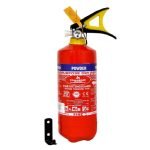
For example, the MFS 1 Kg ABC Type Fire Extinguisher from Fire Supplies is compact and suitable for vehicles and small spaces.
If you want to Buy ABC fire extinguisher units for general safety, this type is usually the best choice.
What is a DCP Fire Extinguisher?
A DCP fire extinguisher uses dry chemical powder to interrupt the fire’s chemical reaction. It is extremely effective against flammable liquids and electrical equipment.
It is often used as:
- DCP fire extinguisher for electrical fires
- DCP extinguisher for electrical panel rooms
- Industrial protection systems
- Fuel storage areas
- Generator rooms
For heavy-duty protection, the Ultra Fire DCP Fire Extinguisher Cartridge Type 6 Kg offers industrial-grade reliability.
An electrical fire extinguisher DCP servicing model is ideal for high-voltage installations.
Use Cases: Where Should You Use ABC or DCP?
Use ABC Fire Extinguisher When:
- You need multi-risk protection
- You want coverage for wood, paper, and fabric
- You are securing homes and offices
- You need vehicle protection
Use DCP Fire Extinguisher When:
- You are protecting electrical panels
- You handle fuel or oil storage
- You manage factories or warehouses
- You need strong suppression for Class B fires
Both are essential Fire Fighting Products in modern buildings.
Advantages of ABC Fire Extinguisher
- Multipurpose coverage
- Easy to operate
- Cost-effective
- Widely available
- Ideal for homes and commercial use
Limitations:
- Leaves powder residue
- Can damage sensitive electronics
- Requires cleanup after discharge
Advantages of DCP Fire Extinguisher
- Highly effective on electrical fires
- Strong knockdown capability
- Fast flame suppression
- Works well in industrial settings
Limitations:
- May not always cover Class A
- Powder residue affects machinery
- Requires regular inspection
ABC vs DCP Fire Extinguisher Price Comparison
The ABC fire extinguisher price depends on capacity and certification.
Typical factors influencing cost:
- Capacity (1 kg vs 6 kg)
- Cartridge type vs stored pressure
- ISI certification
- Brand reliability
Generally:
- 1 kg ABC extinguisher is economical for vehicles
- 6 kg DCP extinguisher costs more due to industrial capacity
When you plan to Buy DCP fire extinguisher, consider long-term safety value rather than price alone.
How to Choose Between ABC vs DCP Fire Extinguisher
Follow this checklist:
- Identify fire risks in your premises.
- Check electrical installations.
- Evaluate flammable liquid presence.
- Confirm required fire class ratings.
- Verify ISI certification.
- Compare capacity requirements.
- Buy from the Best fire extinguisher supplier.
Fire Supplies offers certified fire safety solutions for residential and industrial applications.
How ABC and DCP Fit into Fire Safety Systems
Both extinguishers are part of larger fire safety systems, including:
- Smoke detectors
- Fire alarm panels
- Sprinkler systems
- Fire extinguisher ball
- CO₂ extinguishers
- Modular automatic extinguishers
In high-risk areas, combining ABC extinguishers with CO₂ extinguishers provides balanced coverage.
Standards & Certifications
Reliable extinguishers comply with:
- BIS (Bureau of Indian Standards)
- IS 15683 for portable extinguishers
- ISO 9001 manufacturing standards
- CE marking (for export models)
According to the
- National Fire Protection Association (NFPA), selecting the correct fire class extinguisher is essential for safety compliance.
- Bureau of Indian Standards sets regulations for extinguisher performance in India.
- Occupational Safety and Health Administration (OSHA) recommends proper placement of extinguishers in workplaces.
Compliance ensures reliability during emergencies.
FAQs About ABC vs DCP Fire Extinguisher
1. Is ABC better than DCP?
ABC is better for multi-purpose use. DCP is better for electrical and liquid fires.
2. Can DCP fire extinguisher be used for electrical fires?
Yes. A dry chemical powder extinguisher for electrical fire is highly effective.
3. What is the difference between ABC and DCP powder?
ABC uses monoammonium phosphate. Standard DCP may use sodium bicarbonate.
Which Should You Buy?
The difference between ABC vs DCP Fire Extinguisher is that ABC extinguishers handle Class A, B, and C fires, while DCP extinguishers mainly target electrical and liquid fires. ABC is best for homes and offices. DCP is ideal for electrical panels and industrial areas.
If your risk includes wood, paper, and electrical wiring, choose ABC. If your primary concern is electrical panels, generators, or fuel storage, choose DCP. For complete protection, combine ABC extinguishers with CO₂ extinguishers and modular units.
Protect Your Property with Certified Fire Safety Solutions
At Fire Supplies, we provide:
- ABC Extinguishers
- DCP Extinguishers
- CO₂ Extinguishers
- Modular Automatic Units
- Fire extinguisher ball
- Complete fire safety systems
Whether you want to Buy ABC fire extinguisher for your home or Buy DCP fire extinguisher for industrial safety, we are your trusted partner. As a leading provider of fire prevention equipment, we deliver certified, reliable, and cost-effective solutions. Contact Fire Supplies today and upgrade your building with professional-grade fire safety solutions designed to protect lives and property.
Your safety is not optional. It is essential.

