
Your list is empty, add products to the list to send a request








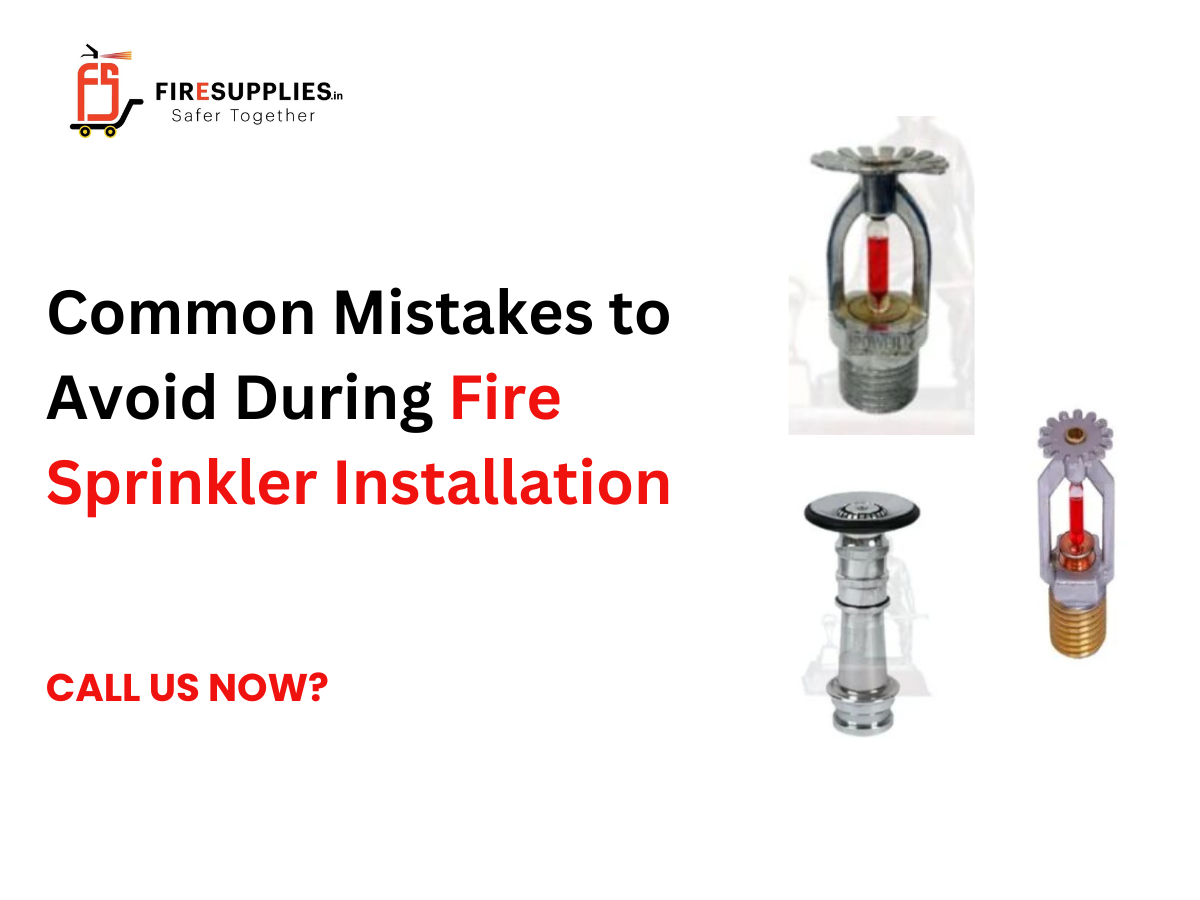
Common Mistakes to Avoid During Fire Sprinkler Installation

15
May
The common mistakes to avoid during fire sprinkler installation include incorrect sprinkler head placement, undersized pipes, inadequate water pressure, poor system design, failure to follow local fire codes, and skipping routine inspections. These fire sprinkler installation mistakes reduce the effectiveness of the entire fire protection system and can put lives and property at serious risk. A properly installed fire sprinkler system installation must follow NFPA 13 standards, be designed by a certified professional, and be inspected regularly to ensure it performs when it matters most.
Technical Details of a Correctly Installed Fire Sprinkler System
Before diving into the mistakes, it helps to understand what a correctly installed automatic fire sprinkler system looks like. The table below outlines the key technical specifications that every fire protection system installation should meet.
| Technical Parameter | Correct Specification | Common Error |
| Sprinkler Head Spacing | Max 15 ft apart (standard hazard) | Too far apart leaves gaps in coverage |
| Water Pressure | Minimum 7 psi at each sprinkler head | Insufficient supply pressure |
| Pipe Sizing | Hydraulically calculated per NFPA 13 | Undersized pipes restrict water flow |
| Sprinkler Type | Matched to hazard classification | Wrong type selected for environment |
| System Design | Hydraulic calculation with layout plan | Designed without professional assessment |
| Inspection Frequency | Annual (minimum) | Skipped or irregular inspections |
| Pipe Material | Schedule 10/40 steel or CPVC | Incompatible materials used |
| Coverage Area per Head | 100–225 sq ft depending on hazard | Overcrowding or under-coverage |
| Obstruction Clearance | 18 inches below sprinkler deflector | Obstructed by shelving or ceiling fixtures |
| Seismic Bracing | Required in earthquake-prone zones | Omitted entirely |
Understanding these parameters is the first step in avoiding the most costly sprinkler installation errors in both residential and commercial fire sprinkler installation projects.
Use Cases and Applications of Fire Sprinkler Systems
Fire sprinkler system installation is not one-size-fits-all. Different buildings require different system types based on their use, occupancy, and risk level. Here are the most common applications:
Residential Buildings Homes and apartments use residential-grade sprinklers designed to control a fire long enough for occupants to escape safely. These systems use smaller pipe networks and lower water demand.
Commercial Fire Sprinkler Installation Offices, retail stores, hotels, and restaurants require systems designed to protect larger open areas, often with higher water pressure and more complex pipe layouts. A fire safety product for buildings at this scale must comply with local building codes and NFPA standards.
Industrial Fire Sprinkler Systems Warehouses, manufacturing plants, and storage facilities face higher fire risks due to flammable materials and large open spaces. Industrial fire sprinkler systems often use ESFR (Early Suppression Fast Response) heads and high-density water discharge.
Healthcare and Educational Facilities Hospitals and schools require specially designed fire suppression system installation with redundancy built in, as evacuating occupants quickly is more challenging.
Data Centres and Server Rooms These environments use clean agent or pre-action sprinkler systems to avoid water damage to expensive equipment.
Understanding the right application for your building is critical. Using the wrong system type is one of the most overlooked common fire sprinkler problems that leads to costly remediation later.
The Most Common Mistakes to Avoid During Fire Sprinkler Installation
This is the core of what every building owner, contractor, and facility manager needs to know. The following fire sprinkler installation mistakes are the most frequently seen in the field — and the most preventable.
Mistake 1: Incorrect Sprinkler Head Placement
Placing sprinkler heads too far apart or too close to obstructions is one of the top sprinkler installation errors. When heads are spaced incorrectly, entire sections of a room may not receive adequate water coverage during a fire.
Sprinkler heads must be positioned based on the room’s ceiling height, shape, and hazard level. Always follow the manufacturer’s data sheet and NFPA 13 spacing guidelines.
Mistake 2: Using the Wrong Sprinkler Head Type
Not all sprinkler heads are the same. There are upright, pendant, sidewall, and concealed types — each designed for specific ceiling configurations and environments.
Using a pendant head in a space that requires an upright head, or installing a standard-response head in a high-hazard area, can cause catastrophic failure. This is a critical fire sprinkler safety tip: always match the head type to the environment.
Mistake 3: Poor Pipe Sizing and Layout
Undersized pipes are a silent but serious problem in fire sprinkler pipe installation. If the pipe diameter is too small, it restricts water flow and reduces pressure at the sprinkler heads.
Every fire protection system installation should be supported by a hydraulic calculation — a mathematical model that determines the correct pipe sizes for each section of the system. Skipping this step is a leading cause of system failure.
Mistake 4: Inadequate Water Pressure and Supply
Even a perfectly designed system will fail if the building’s water supply cannot deliver the required pressure. Low municipal water pressure or an undersized pump is a common issue in both commercial fire sprinkler installation and industrial fire sprinkler systems.
Always conduct a water supply analysis before designing your system. This includes a flow test at the nearest hydrant and a review of the municipal supply data.
Mistake 5: Ignoring Local Fire Codes and NFPA Standards
Many installers, especially those without formal fire protection training, overlook local authority requirements or misinterpret NFPA 13 guidelines. This results in non-compliant systems that may fail a fire inspection — or worse, fail during an actual fire.
Every fire suppression system installation must be reviewed and approved by the local Authority Having Jurisdiction (AHJ) before the building is occupied.
Mistake 6: Failure to Account for Obstructions
Shelving units, HVAC ducts, lighting fixtures, and beams can block water discharge from sprinkler heads. NFPA 13 requires a minimum 18-inch clearance below each sprinkler deflector to ensure water disperses correctly.
This is one of the most frequently cited violations during fire safety system for buildings inspections. Plan the sprinkler layout around obstructions — or install additional heads to compensate.
Mistake 7: Skipping Seismic and Wind Bracing
In earthquake-prone regions, fire sprinkler pipe installation must include seismic bracing to prevent pipes from shifting or breaking during ground movement. Many installers skip this step to reduce costs, but it creates enormous liability and safety risk.
Check your local building codes for seismic zone requirements before beginning any installation.
Mistake 8: Neglecting Regular Inspection and Maintenance
Installing a system is only the beginning. One of the most damaging common fire sprinkler problems is allowing a system to go uninspected for years. Sprinkler heads can corrode, pipes can develop leaks, and control valves can be accidentally left closed.
The NFPA 25 standard requires regular inspection, testing, and maintenance of all automatic fire sprinkler systems. Follow a scheduled fire sprinkler maintenance tips program to keep your system in peak condition.
Advantages and Limitations of Fire Sprinkler Systems
Advantages
- Life Safety: Fire sprinklers activate automatically and can control a fire before the fire brigade arrives.
- Property Protection: They significantly reduce structural and content damage.
- Insurance Benefits: Many insurers offer reduced premiums for buildings with certified building fire safety systems.
- Code Compliance: Required in most new commercial and high-rise buildings.
- 24/7 Protection: Unlike human intervention, sprinklers work around the clock.
Limitations
- Water Damage Risk: Accidental activation or pipe leaks can cause water damage.
- High Installation Cost: Upfront installation costs can be significant, especially for industrial fire sprinkler systems.
- Maintenance Required: Systems must be regularly tested and inspected to remain reliable.
- Not Suitable for All Fires: Standard water-based sprinklers are not appropriate for chemical or electrical fires without specialist design.
- Design Complexity: Incorrect design leads to the very fire sprinkler installation mistakes this blog aims to prevent.
How to Choose the Right Fire Sprinkler System and Supplier
Choosing the right system and the right fire safety equipment supplier is just as important as avoiding installation mistakes. Here is a quick guide:
- Assess Your Building’s Hazard Level Determine whether your building is a light, ordinary, or extra hazard occupancy. This determines the type of sprinkler heads, pipe sizing, and water demand required.
- Work With a Certified Fire Protection Engineer Always hire a licensed professional for system design. This ensures hydraulic calculations are correct and the design meets NFPA and local standards.
- Choose Quality, Certified Equipment Only purchase fire safety equipment that carries UL (Underwriters Laboratories) or FM (Factory Mutual) approval. Cheap, uncertified components are a false economy.
- Look for a Reputable Fire Safety Equipment Supplier Partner with a supplier who offers technical support, product documentation, and after-sales service. If you are searching for fire safety equipment near me, look for suppliers with certifications and verified customer reviews.
- Plan for Ongoing Maintenance Factor in the cost of annual inspections, testing, and replacement parts when budgeting for your fire suppression system installation.
Standards and Certifications for Fire Sprinkler Installation
Compliance with recognised standards is non-negotiable for any fire protection system installation. The following are the most important:
- NFPA 13 – Standard for the Installation of Sprinkler Systems (USA). The primary document governing fire sprinkler system installation design and installation.
- NFPA 25 – Standard for the Inspection, Testing, and Maintenance of Water-Based Fire Protection Systems.
- BS EN 12845 – European standard for fixed firefighting systems and automatic sprinkler systems.
- UL Listed – Equipment certified by Underwriters Laboratories as meeting safety and performance standards.
- FM Approved – Products certified by Factory Mutual Global for use in fire protection applications.
- Local AHJ Approval – Always required before a system is commissioned and occupied.
FAQs About Common Mistakes to Avoid During Fire Sprinkler Installation
1: What are the common mistakes during fire sprinkler installation?
The most frequent common mistakes to avoid during fire sprinkler installation include wrong sprinkler head placement, poor pipe sizing, insufficient water pressure, using the incorrect sprinkler type, and failing to comply with fire safety standards such as NFPA 13. These fire sprinkler installation mistakes can significantly reduce the effectiveness of the fire protection system, leaving people and property at risk.
2: Why is professional fire sprinkler installation important?
Professional fire sprinkler system installation ensures the system is correctly designed with hydraulic calculations, proper sprinkler coverage, and full compliance with fire safety regulations. A certified fire protection engineer will identify potential common fire sprinkler problems before they become dangerous. Professional installation also improves long-term system performance and reduces the likelihood of costly repairs or replacements.
3: How often should a fire sprinkler system be inspected?
An automatic fire sprinkler system should be inspected at a minimum once every year, in accordance with NFPA 25 requirements. Inspections should check for leaks, corroded or damaged sprinkler heads, correct water flow, and the open status of all control valves. Regular adherence to fire sprinkler maintenance tips and a scheduled inspection programme ensures your building fire safety systems remain reliable and compliant at all times.
Ready to Avoid Costly Fire Sprinkler Installation Mistakes? Talk to Fire Supplies Today.
At Fire Supplies, we provide premium fire safety equipment, expert product guidance, and access to a trusted network of fire protection professionals. Whether you are planning a commercial fire sprinkler installation, upgrading an industrial fire sprinkler system, or searching for reliable fire safety solutions for your building, we are here to help. Do not let avoidable fire sprinkler installation mistakes put your people and property at risk.
Contact Fire Supplies today for expert advice, certified fire safety equipment, and tailored fire protection solutions for your building.

