
Your list is empty, add products to the list to send a request












Fire Alarm Systems for Warehouses and Logistics Centers

03
Jul
Warehouses and logistics centers hold some of the highest fire risks in modern industry. High-stacked storage, combustible packaging, dust, forklift traffic, and long working hours create conditions where a small spark can turn into a large-scale disaster within minutes. This is exactly why Fire Alarm Systems for Warehouses and Logistics Centers are no longer optional they are a core part of operational risk management.
A well-designed warehouse fire alarm system does more than sound an alarm. It detects smoke, heat, or flame at the earliest possible stage, pinpoints the exact location of the threat, and triggers a coordinated emergency response before the fire can spread across racking, aisles, and loading bays. For businesses that store high-value inventory, downtime and stock loss from a single fire event can be far more expensive than the cost of a properly engineered detection system.
Insurance providers, fire departments, and safety auditors increasingly expect logistics operators to demonstrate a proactive approach to fire risk. Beyond regulatory compliance, a reliable detection network protects the people who work each shift on the warehouse floor. It also protects the continuity of supply chains that depend on that facility staying operational.
In this guide, we walk through what these systems are, how they work, the technology options available, and how to choose the right fire protection equipment for a large-scale storage or distribution facility. We also cover the fire safety products commonly paired with detection systems, such as extinguishers and suppression cylinders, so you can build a complete fire safety plan rather than a partial one.
What Is a Fire Alarm System for Warehouses and Logistics Centers?
A fire alarm system for warehouses and logistics centers is an integrated network of detectors, control panels, and alerting devices designed to identify fire hazards in large, open, and high-ceiling industrial spaces and notify occupants and emergency responders immediately. Unlike standard commercial setups, these systems are engineered for wide floor plans, tall racking, dust-heavy environments, and continuous material movement. The goal is simple: detect a fire risk as early as possible and give people and property the maximum amount of time to respond safely.
In short, if someone asks “what is a warehouse fire alarm system,” the direct answer is this it is a purpose-built early warning network of fire safety equipment, including detectors and control panels, engineered specifically for the scale and layout challenges of storage and distribution facilities.
Technical Details of Modern Warehouse Fire Alarm Systems
Choosing the right industrial fire alarm system depends on understanding a few key technical characteristics. The table below summarizes the core specifications facility managers typically evaluate.
| Feature | Description | Why It Matters for Warehouses |
| High Bandwidth Communication | Fast data exchange between detectors and the control panel | Ensures real-time alerts across large floor areas without lag |
| Multi-Panel Synchronization | Multiple fire alarm control panel units linked across zones or buildings | Allows centralized monitoring of multi-building logistics campuses |
| Expandable Loops | Detection circuits (“loops”) that can be extended as the facility grows | Supports future expansion without a full system overhaul |
| Addressable Detection | Each device has a unique identifier reported to the panel | Pinpoints the exact detector in alarm, speeding up response |
| High Ceiling Compatibility | Detectors calibrated for elevated mounting heights | Needed for high ceiling smoke detection in racking aisles |
| Environmental Tolerance | Resistance to dust, humidity, and temperature swings | Reduces false alarms in busy, industrial conditions |
These technical qualities are what separate a general-purpose alarm system from a true logistics center fire protection solution capable of handling the scale of a modern distribution hub.
Use Cases and Applications
Fire alarm systems for logistics centers are applied across a wide range of storage and distribution environments, each with its own detection challenges.
- Bulk storage warehouses – Wide-area coverage for palletized goods and high racking.
- Cold storage and distribution centers – Detection technology suited to low-temperature environments.
- Automated warehouses – Integration with robotics and conveyor systems for coordinated shutdown during a fire event.
- Cross-docking and transit hubs – Rapid detection where goods move quickly and dwell times are short.
- Multi-tenant logistics parks – Centralized monitoring across several units or buildings from one control room.
In every one of these settings, warehouse smoke detection and heat detection work together to cover different fire behaviors, from smoldering combustion to fast-flame ignition.
Advantages and Limitations
Every detection technology comes with trade-offs. Understanding both sides helps facility owners select the right combination of devices.
Advantages of a well-designed fire alarm system:
- Early detection reduces inventory and property loss.
- Addressable technology identifies the exact device in alarm, cutting response time.
- Integration with sprinklers and suppression systems creates a coordinated response.
- Scalable design supports facility growth without replacing the whole system.
- Reduced insurance premiums are common when certified systems are installed.
Limitations to plan around:
- Dusty environments can increase false alarm risk if detectors are not properly rated.
- High ceilings require specialized detectors, such as beam or aspirating types, rather than standard point detectors.
- Poor system design (wrong detector spacing or type) can leave blind spots in large storage areas.
- Ongoing testing and maintenance are required to keep performance reliable over time.
Buying Guide: Choosing the Right Fire Alarm System
Selecting fire protection equipment for a warehouse is not a one-size-fits-all decision. Here are the main factors to weigh before purchase:
- Facility size and ceiling height – Taller ceilings generally call for beam or aspirating detection rather than standard smoke detectors.
- Type of goods stored – Combustible materials, plastics, or chemicals increase fire load and may require more sensitive detection.
- Addressable vs. conventional panels – Addressable systems are strongly recommended for large sites due to precise fault and alarm location.
- Environmental conditions – Dust, humidity, and temperature extremes should guide detector selection.
- Integration needs – Confirm compatibility with sprinklers, gas suppression, and building management systems.
- Certification and compliance – Verify the system meets applicable fire safety standards for your region and industry.
- Supplier support – Choose a supplier offering design, installation, commissioning, and maintenance, not just equipment sales.
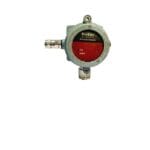
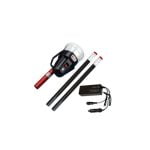
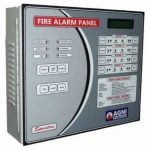
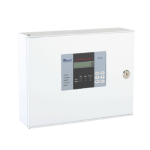
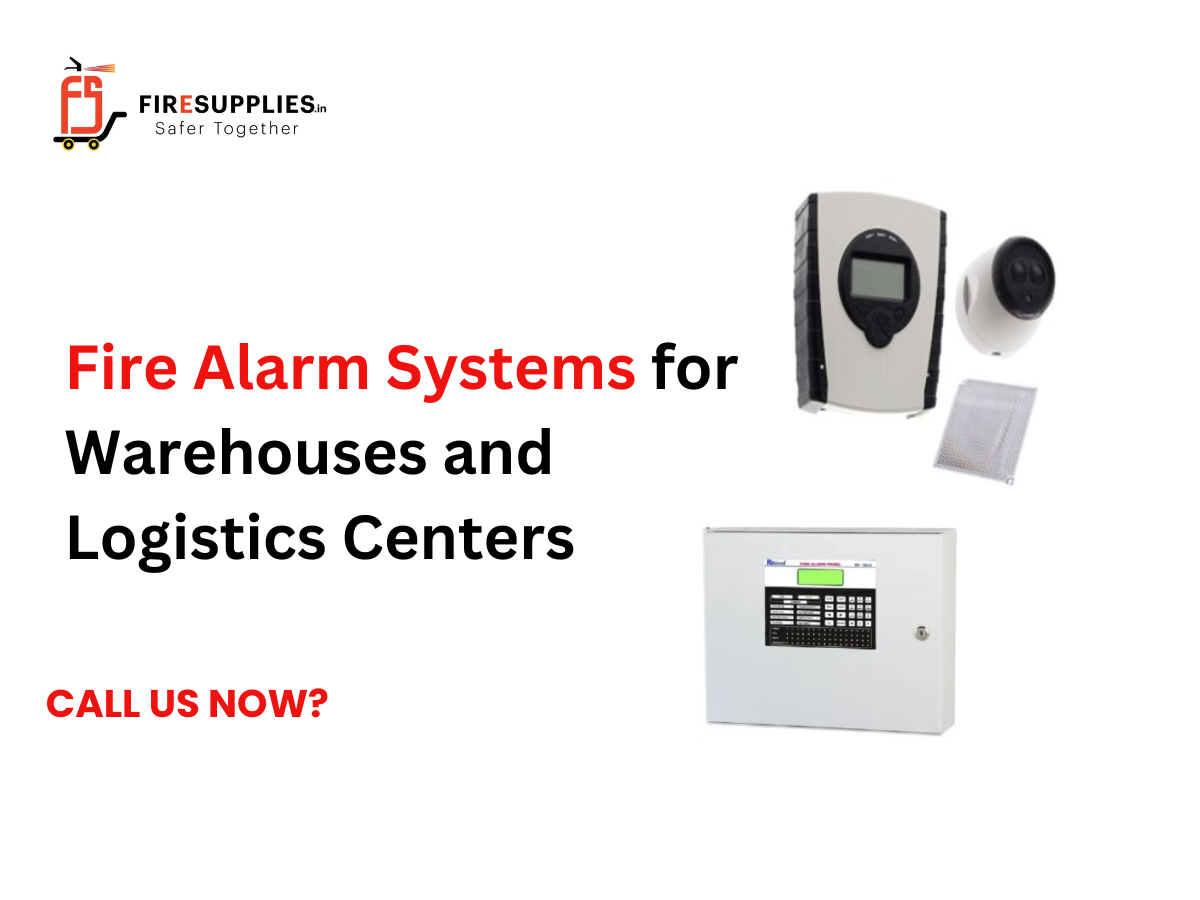
Core products typically included in a warehouse setup are Beam Detectors for open, high-ceiling areas, addressable fire alarm system Panels for centralized control, Hooters (alarm sounders) for audible warning, and Smoke Detectors for general coverage across offices, mezzanines, and packing areas.
Standards and Certifications
Reliable fire fighting products and detection equipment should be manufactured and installed in line with recognized fire safety standards. Facility owners should look for equipment tested to relevant national and international fire detection standards, and installation carried out by certified fire safety professionals. Compliance not only supports life safety but is often a requirement for insurance coverage and regulatory approval. For deeper technical guidance on fire detection standards, the National Fire Protection Association (NFPA) and the U.S. Fire Administration both publish detailed resources on fire alarm design and code compliance. The International Organization for Standardization (ISO) also maintains global standards referenced by fire safety equipment manufacturers worldwide.
When evaluating a supplier, ask whether their fire alarm control panel hardware, cabling, and detectors carry recognized third-party certification marks. A certified fire safety equipment supplier should be able to provide documentation covering product testing, installation compliance, and periodic servicing schedules. This paperwork is often requested during insurance audits or after an incident, so keeping records organized from day one is good practice.
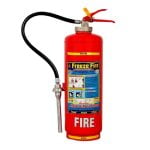
It is also worth remembering that a fire alarm system rarely works alone. Most warehouses pair detection with active protection such as a fire extinguisher cylinder, a dedicated fire safety cylinder, or a broader fire fighting cylinder network positioned along aisles and loading docks. Suppliers who can advise on both detection and suppression and who let you buy fire cylinder units alongside your alarm equipment make it easier to build a coordinated, code-compliant safety plan rather than assembling one piecemeal.
Frequently Asked Questions About Fire Alarm Systems for Warehouses and Logistics Centers
- Why are fire alarm systems important for warehouses and logistics centers?
Fire alarm systems provide early warning of fire hazards, helping protect inventory, employees, equipment, and business operations. Warehouses often contain large storage areas, combustible materials, and high-value goods, making early detection essential for reducing damage and supporting safe evacuation. - What type of fire alarm system is best for a warehouse?
Addressable fire alarm systems are commonly preferred for warehouses because they identify the exact location of an alarm or fault. This helps maintenance teams and emergency responders locate incidents quickly, reducing response time in large facilities. - Which detectors are commonly used in warehouse fire alarm systems?
Warehouses typically use a combination of smoke detectors, heat detectors, beam detectors, and flame detectors depending on ceiling height and fire risks. Beam detectors are especially popular in large, high-ceiling warehouse environments. - What are the advantages of addressable fire alarm systems for logistics centers?
Addressable systems offer precise monitoring, faster troubleshooting, and improved maintenance efficiency. Key benefits include exact device identification, faster emergency response, reduced downtime, better fault diagnostics, and scalable system expansion. - Are beam detectors suitable for warehouse applications?
Yes, beam detectors are highly effective in large warehouses with high ceilings and open storage areas. They can monitor long distances and provide reliable smoke detection across wide spaces where conventional point detectors may be less practical. - How do fire alarm systems improve warehouse safety?
Fire alarm systems help detect fires early, trigger evacuation alarms, and notify emergency responders. This reduces the risk of injuries, inventory loss, operational disruption, and damage to warehouse infrastructure. - Can warehouse fire alarm systems be integrated with other safety systems?
Yes, modern fire alarm systems can integrate with sprinklers, gas suppression systems, emergency lighting, access control, and building management systems. Integration helps create a coordinated emergency response across the facility. - How often should warehouse fire alarm systems be tested?
Warehouse fire alarm systems should be inspected and tested regularly as part of a planned maintenance program. Routine testing helps verify detector performance, alarm operation, communication links, and overall system reliability. - What factors should be considered when designing a warehouse fire alarm system?
The most important factors include warehouse size, ceiling height, storage type, fire load, occupancy, and regulatory requirements. Additional considerations include racking configuration, temperature conditions, dust levels, forklift traffic, and future expansion plans. - Where can businesses purchase fire alarm systems for warehouses and logistics centers?
Fire alarm systems for warehouses and logistics centers are available through authorized fire safety and fire alarm solution providers. Working with experienced suppliers helps ensure proper system design, installation, commissioning, and long-term maintenance support.
Protect Your Warehouse Today
A fire doesn’t wait for a convenient time, and neither should your safety planning. Whether you need Beam Detectors, addressable Panels, Hooters, or Smoke Detectors, our team can help you design a complete fire alarm system for warehouses and logistics centers built around your facility’s exact layout and risk profile.
Contact us today to request a site assessment and quote and take the first step toward a safer, better-protected warehouse.

