
Your list is empty, add products to the list to send a request








Fire Safety Equipment Checklist for Factories

05
Feb
Fire incidents in factories can escalate within seconds, putting lives, machinery, and operations at serious risk. Having the right fire safety equipment in place is not optional—it is a basic requirement for protecting workers and ensuring business continuity. This detailed checklist will help factory owners, safety managers, and compliance teams understand what fire safety equipment is essential, why it matters, and how to maintain it effectively.
This guide is written to help you make informed decisions, meet safety expectations, and reduce fire-related risks across industrial environments.
What Is Fire Safety Equipment in Factories?
Fire safety equipment refers to the set of tools, protective gear, and systems designed to prevent fires, detect hazards early, and control or extinguish fires in industrial environments. In factories, fire safety equipment protects workers, limits property damage, and supports safe evacuation during emergencies. A complete fire safety checklist ensures readiness before an incident occurs, not after.
Technical Details of Fire Safety Equipment (Factory Use)
| Equipment Type | Primary Function | Typical Material | Heat Resistance Range | Inspection Frequency |
| Fire Extinguishers | Suppress early-stage fires | Steel cylinder | Up to 60°C | Monthly |
| Fire Hose Reels | Continuous water supply | Rubber / PVC hose | Up to 80°C | Quarterly |
| Safety Helmets | Head protection | ABS / HDPE | Up to 120°C | Monthly |
| Fire-Resistant Gloves | Hand protection | Leather / Kevlar | Up to 250°C | Monthly |
| Reflective Jackets | Visibility & identification | Polyester with tape | Up to 70°C | Quarterly |
| Safety Boots | Foot protection | Rubber / leather | Up to 300°C | Quarterly |
| Fire Blankets | Smothering flames | Fibreglass | Up to 550°C | Annually |
Applications of Fire Safety Equipment in Factories
Factories involve welding, electrical panels, chemicals, heavy machinery, and high temperatures. Each environment creates different fire risks that require proper equipment.
Common factory applications include:
- Manufacturing plants with electrical machinery
- Warehouses storing combustible materials
- Chemical processing units
- Metal fabrication and welding zones
- Power generation and maintenance areas
Using the correct fire safety equipment in each zone helps prevent small incidents from turning into major disasters.
Essential Fire Safety Equipment Checklist for Factories
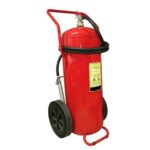
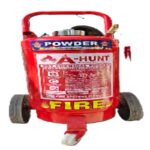
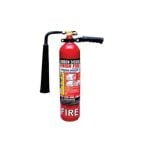
Fire Extinguishers
Every factory must have suitable fire extinguishers based on risk type. This includes electrical fires, flammable liquids, and solid materials.
Key points:
- Install extinguishers at visible and accessible locations
- Label them clearly with usage instructions
- Train workers on basic operation
Fire Hose Reels
Fire hose reels provide continuous water flow for controlling larger fires.
Best practices:
- Place near exits and high-risk zones
- Ensure proper water pressure
- Keep hoses free from cracks and leaks
Personal Protective Fire Safety Equipment
Workers need personal protection when responding to fire hazards or evacuating safely.
Includes:
- Reflective jackets for visibility
- Fire-resistant gloves for handling hot surfaces
- Safety helmets to prevent impact injuries
- Safety boots with heat-resistant soles
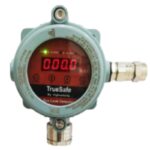
Fire Detection and Alarm Systems
Early detection saves lives and reduces damage.
Essential components:
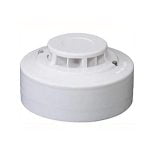
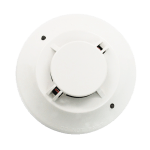
- Smoke detectors
- Heat sensors
- Manual call points
- Audible alarms
Emergency Signage and Lighting
Clear guidance reduces panic during emergencies.
Must include:
- Fire exit signs
- Emergency route markings
- Backup emergency lighting
Advantages of Using Proper Fire Safety Equipment
Using the right fire safety equipment offers long-term operational and safety benefits.
Key advantages:
- Reduces injuries and fatalities
- Minimises property and production losses
- Supports compliance with safety norms
- Improves worker confidence and morale
- Reduces downtime after incidents
Limitations and Common Gaps in Fire Safety Equipment
While fire safety equipment is essential, it must be supported by planning and training.
Common limitations include:
- Poor maintenance and expired equipment
- Lack of employee training
- Incorrect placement of equipment
- Using non-certified or low-quality gear
Fire safety equipment is effective only when maintained and used correctly.
How to Choose Fire Safety Equipment for Factories
When purchasing fire safety equipment, focus on quality, suitability, and compliance rather than price alone.
Key buying considerations:
- Match equipment to fire risk types
- Choose durable, industrial-grade materials
- Ensure easy availability of spares
- Prefer equipment that is easy to inspect and maintain
FAQs:
1: What fire safety equipment is mandatory in factories?
Factories typically require fire extinguishers, hose reels, fire alarms, emergency lighting, reflective safety gear, gloves, helmets, and safety boots based on risk assessment and layout.
2: How heat-resistant should fire safety equipment be?
Fire safety equipment should withstand expected workplace temperatures. Gloves and boots should tolerate high heat, while jackets and helmets must resist melting or weakening during exposure.
3: How often should fire safety equipment be inspected?
Most fire safety equipment should be visually inspected monthly, functionally checked quarterly, and professionally audited annually to ensure readiness.
Certifications for Fire Safety Equipment
Fire safety equipment used in factories should align with recognised safety frameworks and workplace norms.
Common compliance expectations include:
- Industrial safety standards
- Factory safety regulations
- Manufacturer quality certifications
- Workplace hazard assessment guidelines
Using certified fire safety equipment improves reliability and acceptance during audits.
Fire safety equipment in factories includes extinguishers, hose reels, safety gloves, helmets, boots, and reflective jackets. These tools help prevent fires, protect workers, and reduce damage. Regular inspection and proper placement ensure the equipment works when emergencies occur.

