
Your list is empty, add products to the list to send a request








How to Check If a Fire Extinguisher Is Good? A Complete Fire Safety Guide

10
Jun
A fire extinguisher is only effective if it’s in good working condition when you need it. Regular checks and basic maintenance are essential to ensure your unit is functional and ready for emergencies.
In this guide, we’ll walk you through how to know if a fire extinguisher is good, how to test it at home, and when it’s time to replace it. We’ll also link to a trusted model for residential and commercial safety.
Why Checking Your Fire Extinguisher Matters
According to the National Fire Protection Association (NFPA), nearly half of all extinguishers fail during emergencies due to lack of maintenance. A quick inspection once a month can prevent disaster.
If a fire extinguisher malfunctions during an emergency, it can lead to severe injuries, property damage, or worse.
How to Know If a Fire Extinguisher Is Good
To ensure your extinguisher is working properly, check the following:
- Pressure gauge: Needle should be in the green zone
- Physical condition: No rust, dents, leaks, or corrosion
- Tamper seal and pin: Must be intact
- Nozzle and hose: Clear and free from obstructions
- Label: Should be legible with operating instructions
Also, verify the manufacture date—most extinguishers last 5 to 15 years.
How to Test a Fire Extinguisher at Home
While you shouldn’t discharge a fire extinguisher unnecessarily, you can perform the following tests safely:
1. Check the Pressure Gauge
Make sure the needle is in the green zone. If it’s in the red, the extinguisher needs to be serviced or replaced.
2. Inspect the Handle and Pin
Ensure the handle moves freely and the safety pin is secure. The pin should not fall out easily.
3. Shake Dry Chemical Models
ABC extinguishers can settle over time. Gently shake or tap the bottom to loosen the chemical powder.
4. Visual Inspection
Look for signs of rust, moisture damage, dents, or clogging around the nozzle.
Never test by discharging unless directed by a professional.
When Should I Replace My Extinguisher?
Replace your fire extinguisher if:
- It’s more than 10–15 years old (check manufacture date)
- The pressure is low and recharging isn’t possible
- There’s visible damage or leakage
- The nozzle is clogged or broken
- It has been partially discharged and not recharged
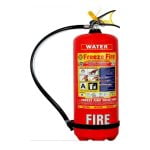
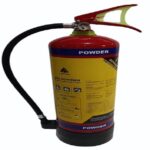
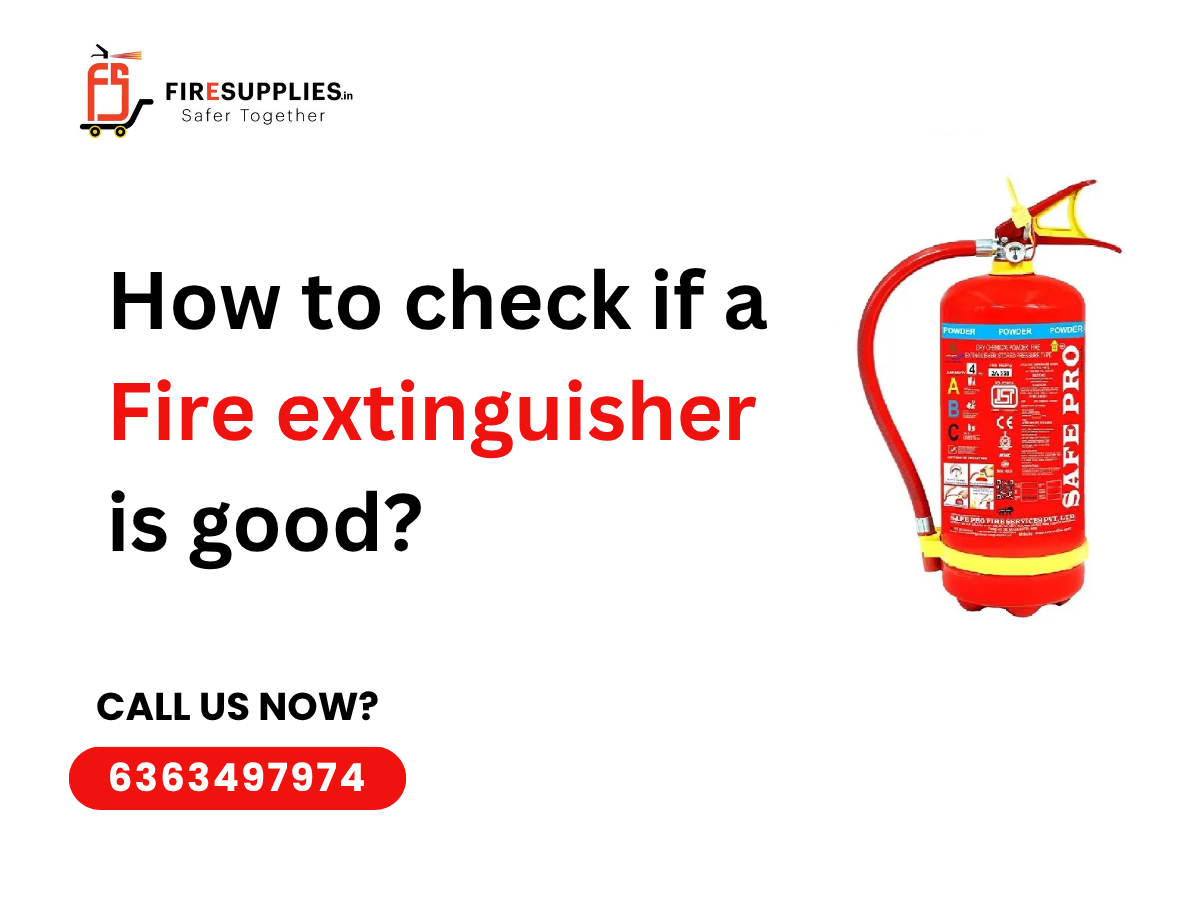
For reliability, consider upgrading to the SafePro Fire Extinguisher, a top-rated model for homes and offices.
Monthly Fire Extinguisher Inspection Checklist
Use this checklist to simplify your inspection process:
- Pressure gauge in green
- Handle and pin in place
- No rust or visible damage
- Hose and nozzle clear
- Label readable
- Mounted securely and easily accessible
How to Store Fire Extinguishers Correctly
Proper storage prevents premature wear:
- Mount upright using a bracket
- Keep away from heat or direct sunlight
- Avoid damp environments to prevent corrosion
- Place in visible, accessible areas (e.g., near exits, kitchens)
Types of Fire Extinguishers and Their Lifespan
Different fire extinguishers have different expected lifespans:
- ABC Dry Chemical: 10–12 years (rechargeable)
- CO2 Extinguishers: 5–10 years
- Foam and Water: 5–10 years
- Disposable Units: 5–10 years
Ensure you select a rechargeable model for long-term use.
Recommended Model: SafePro Fire Extinguisher
Trusted by homeowners and businesses, the SafePro Fire Extinguisher offers:
- Multi-class protection (A, B, C)
- Easy-to-read pressure gauge
- Tamper seal and heavy-duty valve
- Rechargeable and long-lasting design
- ISI certification for Indian safety compliance
Conclusion: Check Today, Be Safe Tomorrow
Regularly checking if your fire extinguisher is in good condition is an essential part of home and workplace safety. With monthly inspections and proper storage, you can ensure it works when you need it most.
If your current extinguisher is old, damaged, or unreliable, upgrade to the trusted SafePro Fire Extinguisher for maximum protection and peace of mind.
FAQs
1. How to know if a fire extinguisher is good?
Check the pressure gauge, inspect for physical damage, verify that the pin and tamper seal are intact, and ensure the nozzle is clear.
2. How to test a fire extinguisher at home?
Check the pressure gauge, shake dry chemical units to loosen powder, inspect the handle and pin, and look for damage or corrosion.
3. When should I replace my extinguisher?
Replace if it’s over 10–15 years old, discharged, damaged, or fails visual inspection.
Don’t wait for an emergency to find out your extinguisher doesn’t work.
Get the reliable SafePro Fire Extinguisher today and stay fire-ready every day.

