
Your list is empty, add products to the list to send a request












Close
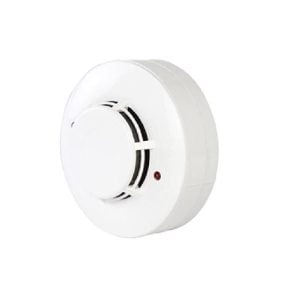
Ravel Conventional Smoke Detector
Ravel Conventional Smoke Detector fire alarm Provide high quality, reliability, and the ultimate in design and decor. The low silhouette and pure white finish blends with most ceiling styles to provide an inconspicuous unit.

Close
Notifier FSP-951T Photoelectric Smoke Detector
Notifier FSP-951T Smoke Detector is a state-of-the-art photoelectric smoke detector designed for early fire detection in commercial and industrial environments.
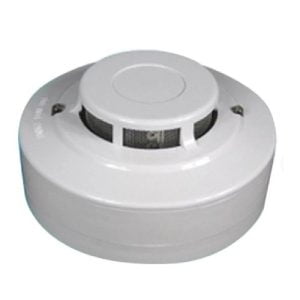
Agni Hunt AHSD-650 Optical Smoke Detector White
Agni Hunt AHSD-650 Optical Smoke Detector White uses light-sensing technology to detect a fire. The external detector molding has an indicator LED which is white in a quiescent state but produces a red light in alarm.
Close
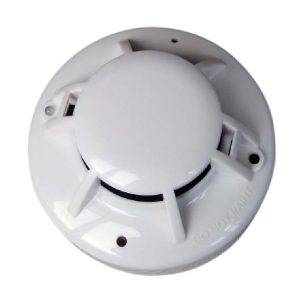
Agni Smoke Detector
Agni Hunt AHSD-16 Optical Smoke Detector White uses light-sensing technology to detect a fire. The external detector molding has an indicator LED which is white in a quiescent state but produces a red light in alarm.
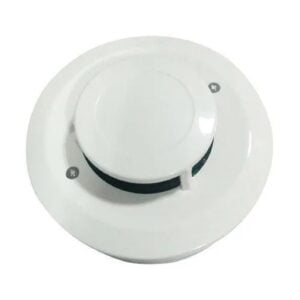
ASES Photoelectric Smoke Detector with base, duel LED Model No. AS-601-SD – (MOQ – 4 Pcs)
Power supply polarty free input. Infrared photoelectric sensor. Dustproof, mothproof, anti-light interference design. Stainless steel shield in chamber, anti-RF1 20V/m--1GFIz. MCU processing, eliminate false alarm. Network relay output I LED indicating alarm. SMT manufacture technology, high stability.
Close
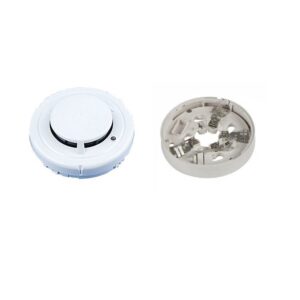
Agni Hunt AHSD-16 Optical Smoke Detector White
Agni Hunt AHSD-16 Optical Smoke Detector White uses light-sensing technology to detect a fire. The external detector molding has an indicator LED which is white in a quiescent state but produces a red light in alarm.
Close
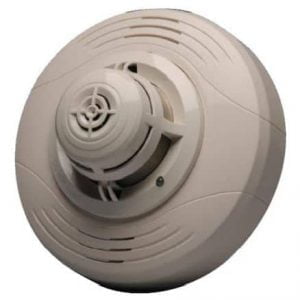
System Sensor 2351/EC+ B401 Smoke Detector with Base
System Sensor 2351/EC+ B401 Smoke Detector is an advanced photoelectric smoke detection system designed for early fire detection in commercial
Close
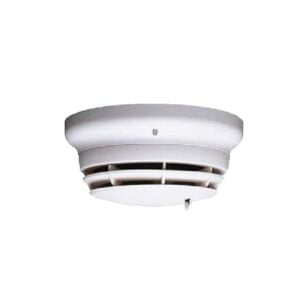
Honeywell Multi Sensor Smoke Detector TC840M1021
Honeywell Multi Sensor Smoke Detector TC840M1021 is an intelligent, addressable, multi-sensing, low-profile detector designed for use with Honeywell (CLIP or
Close
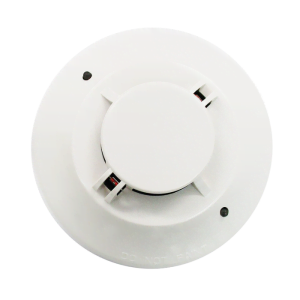
Simplex (4098-9764) Multi-Sensor Detector
Simplex 4098-9764 Multi-Sensor 07431883 The Simplex 4098-9764 TrueAlarm multi-sensor 4098-9764 combines the established performances of a TrueAlarm photoelectric smoke sensor
Close
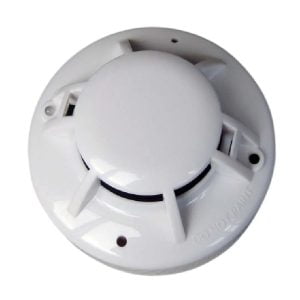
TC806B1076 Smoke Detector
The TC806B1076 Photoelectric Smoke Sensor is an intelligent detection device which provides two-way communication with the Honeywell fire alarm systems.
Close
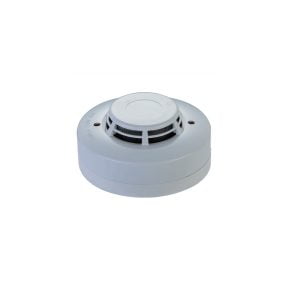
Agni Hunt AHSD-12 Optical Smoke Detector White
Agni Hunt AHSD-12 Optical Smoke Detector White uses light-sensing technology to detect a fire. The external detector molding has an indicator LED which is white in a quiescent state but produces a red light in alarm.
Close
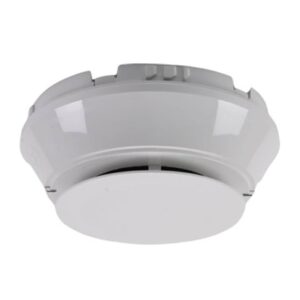
Ravel RE 316S-2L Conventional Photoelectric Smoke Detector With Base (MOQ-3Pcs)
Ravel RE 316S-2L Conventional Photoelectric Smoke Detector With Base is designed to work with all conventional Panels. These detectors are
Close
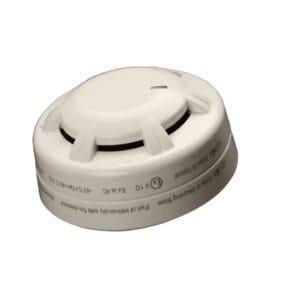
Honeywell IDP/PHOTO/W Addressable Smoke detector Photo Electric Type
Honeywell IDP/PHOTO/W is an intelligent, addressable photoelectric smoke detector designed to provide early warning of a fire in commercial and
Close
Apollo ORB-OP-52028-APO Intrinsically Safe Optical Smoke Detector
The Orbis I.S Optical Smoke Detector operates on the well-established light scatter principle. The remarkable optical design of the Orbis I.S. optical smoke detector allows it to respond to a wide spectrum of fires. The sensing chamber of the Orbis I.S. Optical Smoke Detector contains an optical sensor which measures back-scattered light. Sensitivity to black smoke is greatly improved.
Close
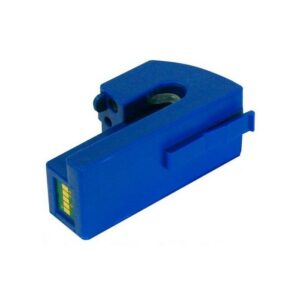
TS3-6PACK-001 Replacement Testifire Smoke Capsules, (Pack of 6)
Testifire generates its nontoxic smoke stimulus from a specially formulated, fluid supplied in a replaceable non-pressurised capsule. The number of
Close
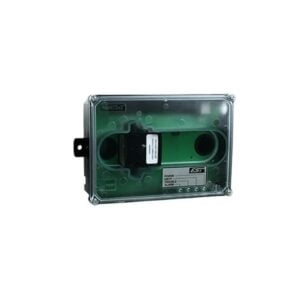
Edwards SD-T18 SuperDuct Signature Duct Smoke Detector(18-inch Sampling Tube)
Edwards SuperDuct Signature Duct Smoke Detector detects the presence of smoke under extended temperature ranges in a building’s HVAC system.
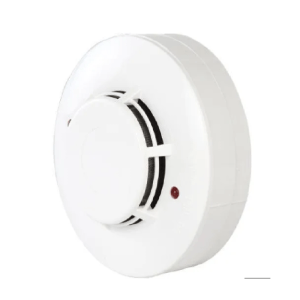
Close
RE-316S 2L conventional Smoke Detector With Base-make Ravel
Optical Smoke Detector With Base-make Ravel An optical smoke alarm works using the light scatter principle. The alarm contains a pulsed infrared LED which pulses a beam of light into the sensor chamber every 10 seconds to check for smoke particles
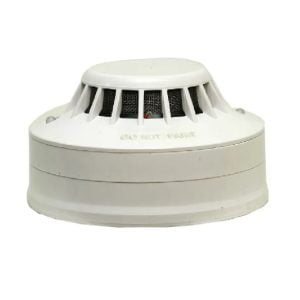
Close
Agni Hunt Standalone Smoke Detector
Agni Hunt Standalone Smoke Detector uses light-sensing technology to detect a fire. The external detector molding has an indicator LED which is white in a quiescent state but produces a red light in alarm.
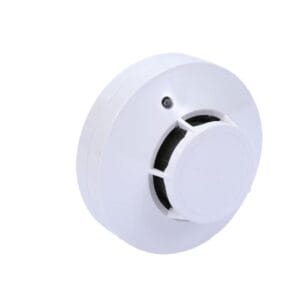
Vighnaharta TrueSafe SD12R Conventional Smoke Detector
Vighnaharta TrueSafe SD12R Conventional Smoke Detector is a high-performance smoke detector designed for quick and reliable detection of smoke in conventional fire alarm systems. Utilizing advanced optical sensing technology, the SD12R is engineered to detect smoke particles promptly, providing crucial early warnings to prevent potential fire hazards.
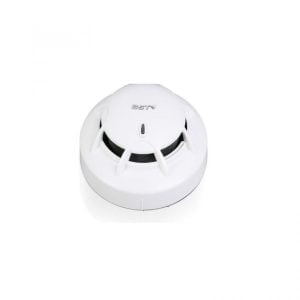
Close
GSTDI-9101E Addressable Intelligent Combined Heat Photoelectric Smoke Detector
Electrically addressed, can be modified by programmer Strong environmental adaptability due to drift
compensation Self-diagnostic Reed switch test Dirty chamber checking Fire LED allows 360° viewing Possible to switch off polling LED Remote indicator output 2 levels smoke sensitivities, level 1 complies with
EN 54-7 LPCB approved at EN 54-7 and EN 54-5
Smoke Detector FAQs
How does a smoke detector work?
Smoke detectors typically use photoelectric or ionization technology to sense smoke particles. When smoke enters the sensing chamber, it disrupts light or electrical currents, activating the alarm system for immediate warning.
Which type of smoke detector is best for my needs?
Choose based on your fire risk:
• Photoelectric detectors – Best for slow, smoldering fires
• Ionization detectors – Ideal for fast-flaming fires
• Addressable detectors – Suitable for large commercial buildings
• Multi-sensor detectors – Higher accuracy with fewer false alarms
Where should smoke detectors be installed?
Smoke detectors should be installed:
• On ceilings or high walls
• Near bedrooms and exits
• In hallways and common areas
• Inside commercial and industrial facilities
Proper placement ensures early detection and faster evacuation.
Why are smoke detectors important for fire safety?
Smoke detectors provide early warning signals, allowing occupants to evacuate quickly before a fire spreads. Early detection significantly reduces the risk of fatalities and property damage.
What is the difference between conventional and addressable smoke detectors?
• Conventional detectors: Identify fire in a general zone
• Addressable detectors: Provide the exact fire location
Addressable systems are ideal for large buildings requiring precise monitoring.
Can smoke detectors detect gas leaks?
No, smoke detectors detect smoke particles only. For gas leaks, use specialized gas detectors such as LPG or carbon monoxide (CO) detectors.
What is a multi-sensor smoke detector?
A multi-sensor smoke detector combines multiple technologies (such as smoke and heat detection) to improve accuracy and reduce false alarms, making it ideal for complex environments.
Do smoke detectors work during power failures?
Yes, most smoke detectors come with battery backup, ensuring continuous operation even during power outages.
Which smoke detector is best for commercial use?
For commercial buildings, addressable or multi-sensor smoke detectors are recommended due to their accuracy, scalability, and integration with fire alarm systems.
How long do smoke detectors last?
Most smoke detectors have a lifespan of 8–10 years. Replacing them after this period ensures optimal performance and safety.
Are smoke detectors mandatory in buildings?
Yes, many fire safety regulations and building codes require smoke detectors in residential, commercial, and industrial properties to ensure occupant safety.
Can smoke detectors be integrated with fire alarm systems?
Yes, smoke detectors are a key component of fire alarm systems and can be integrated with control panels, alarms, and emergency systems for complete fire protection.

