
Your list is empty, add products to the list to send a request









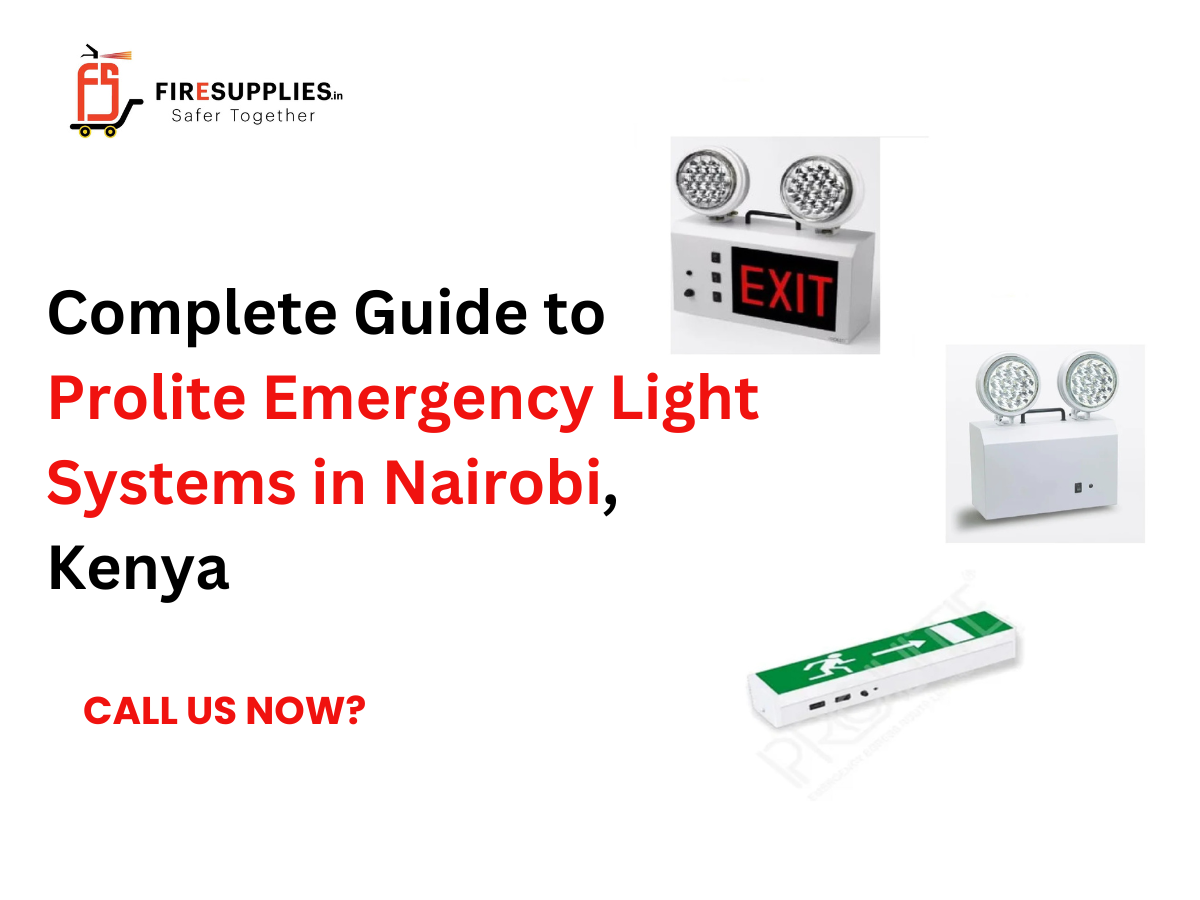
Complete Guide to Prolite Emergency Light Systems in Nairobi, Kenya

09
Mar
Power outages can happen at any time. When they occur in offices, hospitals, shopping centres, or residential buildings, poor visibility can quickly turn into a serious safety risk. This is where Prolite Emergency Light Systems in Nairobi play a critical role.
Emergency lighting ensures that people can safely exit a building when the main power supply fails. In busy cities like Nairobi, buildings rely on dependable LED emergency lighting systems to keep staircases, corridors, and exits illuminated during emergencies.
This guide explains everything you need to know about Prolite Emergency Light Kenya, including how the system works, where it is used, its technical features, and how to choose the right solution for your building.
What Is a Prolite Emergency Light System?
A Prolite Emergency Light System is a specialised safety lighting solution designed to automatically switch on when the main power supply fails. It uses battery backup and LED technology to illuminate escape routes, corridors, and exits during emergencies.
These systems are widely used as emergency lighting solutions in Kenya because they provide reliable visibility during power outages, fires, or electrical failures. Prolite systems are known for their energy efficiency, long lifespan, and dependable performance in commercial and residential buildings.
In Nairobi, modern buildings often install Prolite PEL LED emergency light systems such as:
- PEL LED E/M S Emergency Light
- PEL LED E/NM SC Emergency Light
- PEL LED E/M SC Emergency Light
These systems ensure safe evacuation and maintain compliance with building safety standards.
Technical Overview of Prolite Emergency Light Systems in Nairobi
Modern LED emergency lighting systems are designed with advanced features that improve safety, efficiency, and reliability. The table below highlights the key technical aspects of a Prolite Emergency Light System.
| Feature | Description |
| High Bandwidth Communication | Allows multiple emergency lights to communicate with the central system efficiently. |
| Multi-Panel Synchronisation | Enables several control panels to work together across large buildings or complexes. |
| Expandable Loops | The system can expand easily to support additional emergency lights as the building grows. |
| LED Technology | Energy-efficient LEDs provide bright illumination with low power consumption. |
| Battery Backup | Built-in rechargeable batteries activate instantly during power failure. |
| Addressable Modules | Allows monitoring and control of individual emergency lights in the system. |
| Smart Monitoring | Facility managers can track system status and maintenance needs. |
Some of the commonly installed models in Emergency Light System in Nairobi projects include:
- PEL LED E/M S Emergency Light
- PEL LED E/NM SC Emergency Light
- PEL LED E/M SC Emergency Light
These systems are part of the Prolite PEL LED Emergency Light System range designed for reliable safety lighting.
Key Components of a Prolite Emergency Lighting System
A complete Prolite Emergency Light System includes several components working together to maintain illumination during power failures.
LED Emergency Lights
These are the visible lighting units installed in corridors, staircases, and exits. They automatically activate when power is lost.
Backup Battery Units
Rechargeable batteries provide power to the emergency lights during outages.
Address Modules
Addressable modules help monitor and control each emergency light within the system. For example, system modules and accessories can be found here:
These components help create a centralised LED emergency lighting system that is easy to monitor and maintain.
Applications of Emergency Light System in Nairobi
Emergency lighting is required in many types of buildings. In Nairobi, both private and public properties rely on Prolite Emergency Lighting Kenya solutions to ensure safe evacuation. Common applications include:
Commercial Buildings
Offices and business centres use LED emergency lighting systems to guide employees and visitors during emergencies.
Hospitals and Healthcare Facilities
Hospitals require constant lighting to protect patients and staff during power interruptions.
Shopping Malls and Retail Centres
Large commercial spaces rely on emergency lighting to guide people toward safe exits.
Schools and Universities
Educational institutions install Prolite emergency light Kenya systems to ensure student safety.
Hotels and Hospitality Buildings
Hotels need dependable emergency lighting in corridors, stairways, and exits.
Industrial Facilities
Factories and warehouses use emergency lighting to maintain safety during unexpected power failures.
Types of Prolite Emergency Lighting Used in Kenya
Different buildings require different emergency lighting solutions. The Prolite PEL LED Emergency Light System offers several models designed for specific applications.
PEL LED E/M S Emergency Light
The PEL LED E/M S Emergency Light is a maintained emergency lighting unit. This means it operates continuously and switches to battery power when electricity fails.
Key features include:
- Continuous illumination
- High-efficiency LED lighting
- Long battery backup
- Suitable for corridors and hallways
PEL LED E/NM SC Emergency Light
The PEL LED E/NM SC Emergency Light is a non-maintained emergency light. It activates only when the main power supply fails.
This makes it ideal for:
- Staircases
- Emergency exits
- Safety escape routes
PEL LED E/M SC Emergency Light
The PEL LED E/M SC Emergency Light offers maintained lighting with advanced monitoring features.
Benefits include:
- Reliable illumination
- Smart monitoring compatibility
- Efficient LED technology
- Long service life
These models are commonly used in Emergency Lighting Solutions Kenya projects.
Advantages of Prolite Emergency Light Systems in Nairobi
Many building owners prefer Prolite Emergency Light Kenya solutions because they offer several advantages.
Reliable Safety Lighting
Emergency lights automatically switch on during power outages, ensuring safe evacuation.
Energy Efficiency
LED technology uses very little electricity while providing bright illumination.
Long Lifespan
Most LED emergency lighting systems last many years with minimal maintenance.
Smart Monitoring
Addressable systems allow facility managers to monitor lighting performance.
Easy Expansion
Expandable loops allow buildings to add more emergency lights without replacing the entire system.
Limitations to Consider
While Prolite Emergency Light Systems in Nairobi provide excellent safety benefits, there are a few considerations.
- Batteries require periodic maintenance.
- Installation should be handled by qualified professionals.
- Large buildings may require centralised systems for better management.
Proper maintenance ensures the system performs effectively during emergencies.
Short Buying Guide for Emergency Lighting Systems
Choosing the right Emergency Light System in Nairobi depends on several factors.
Consider the Building Size
Large commercial buildings may require a centralised emergency lighting system.
Check Battery Backup Duration
Ensure the system can provide lighting for at least 90 minutes during power outages.
Choose LED Technology
LED emergency lights are more energy efficient and last longer.
Look for Smart Monitoring
Modern systems allow remote monitoring of individual lights.
Verify System Compatibility
Ensure the lights work with central battery systems and address modules.
Selecting the right Prolite PEL LED Emergency Light System ensures long-term reliability and safety.
Standards and Certifications for Emergency Lighting
Emergency lighting systems should follow recognised safety standards. Common standards include:
- IEC emergency lighting safety standards
- Building fire safety regulations
- Electrical safety compliance requirements
- International emergency lighting guidelines
These standards ensure that Emergency Lighting Solutions Kenya provide reliable performance during emergencies.
Authoritative references include:
- National Fire Protection Association (NFPA)
- International Electrotechnical Commission (IEC)
- International Building Code (IBC)
Following these standards ensures safe installation and reliable operation.
FAQs
1. What is a Prolite emergency light system?
A Prolite Emergency Light System is a safety lighting solution designed to provide illumination when the main power supply fails. It uses LED lights and backup batteries to automatically light escape routes, stairways, and exits during emergencies.
2.Where are emergency lighting systems required in Nairobi?
Emergency lighting systems are commonly required in:
- Office buildings
- Hospitals
- Shopping centres
- Hotels
- Schools
- Industrial facilities
These systems ensure safe evacuation during power failures or emergencies.
3. How long do emergency lights last during a power outage?
Most LED emergency lighting systems provide illumination for 90 minutes to 3 hours depending on battery capacity and system design. Regular maintenance ensures the battery performs reliably when needed.
Prolite Emergency Light Systems in Nairobi are safety lighting solutions that automatically switch on when power fails. They use LED technology and battery backup to illuminate exits, corridors, and staircases, ensuring people can evacuate buildings safely during emergencies or power outages.
Conclusion
If you are planning to install or upgrade Prolite Emergency Light Systems in Nairobi, choosing the right emergency lighting solution is essential for safety and compliance. Explore professional-grade emergency lighting products and system components here:
Get reliable LED emergency lighting systems designed for commercial and residential buildings in Kenya. Contact our team today to find the best Emergency Lighting Solutions Kenya for your project.

