
Your list is empty, add products to the list to send a request












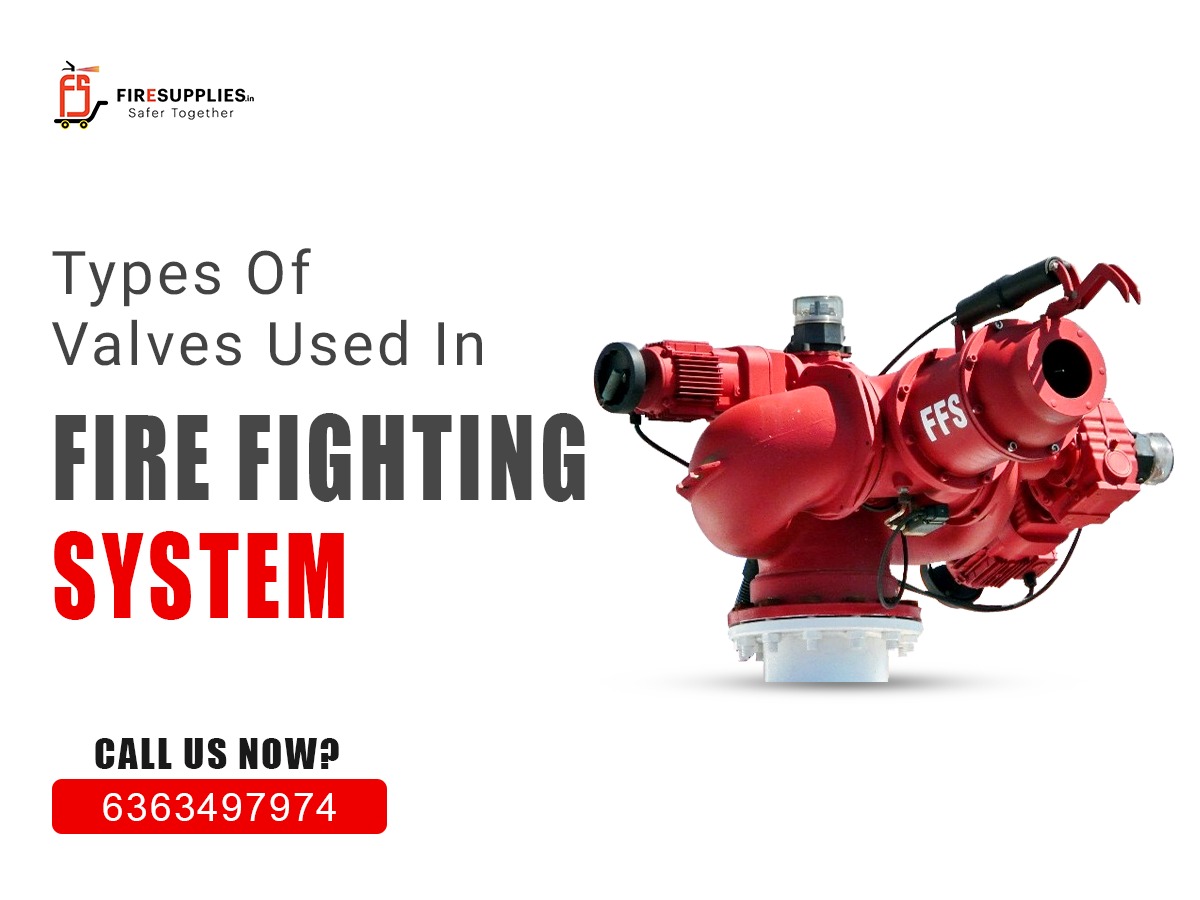
Types of Valves Used in Fire Fighting System

17
Feb
FIRE SAFETY TECHNICAL GUIDE · 2026 Types of Valves Used in Fire Fighting Systems: A Complete Guide for Building Owners & Safety Professionals If you manage a building, specify fire protection systems, or work in fire safety — this guide covers every major valve type in a fire fighting system, what each one does, and how to choose correctly for your application. |
KEY TAKEAWAYS • There are 8 primary valve types in a fire fighting system: gate, butterfly, check/NRV, alarm, deluge, ball, landing, and pressure relief valves — each with a specific, non-interchangeable function. • Gate valves and butterfly valves are the most common isolation valves; butterfly valves are now preferred in modern fire protection systems for their compact size and faster operation. • Non-Return Valves (NRVs) are legally required in any system where backflow could contaminate the water supply or reduce pump pressure during an emergency. • Alarm valves and deluge valves are the core control components in sprinkler systems — they activate automatically and must comply with IS 15105 and FM/UL standards. • All fire safety valves must be inspected quarterly and function-tested annually under NBC 2016 and TAC (Tariff Advisory Committee) guidelines in India. |
Why Valve Selection Is Critical in Fire Protection Systems in 2026
India’s fire safety enforcement landscape shifted significantly after the Bureau of Indian Standards tightened compliance requirements for high-rise buildings under NBC 2016 Part 4. From January 2025, buildings above 15 metres in Maharashtra, MP, and Delhi NCR are now subject to mandatory third-party fire protection system audits and valve compliance is one of the most frequently cited failures.
At FireSupplies, we’ve seen a sharp increase in enquiries from building contractors and safety officers who installed valves based on cost alone, only to fail inspection because the valve type didn’t match the system design. A butterfly valve specified where a gate valve is required, or a missing check valve on a pump outlet, can result in an entire system failing its flow test — regardless of how compliant everything else is.
Understanding the types of valves used in fire fighting systems isn’t just a technical exercise — it’s directly linked to whether your system gets certified, whether your insurance policy remains valid, and most critically, whether your building’s suppression system actually works when it’s needed. This guide gives you the full picture.
Gate Valves and Butterfly Valves: Isolation in Fire Fighting Systems
Isolation valves control water flow to sections of a fire fighting system, allowing zones to be shut off for maintenance or emergency repairs without disabling the entire installation. The two main types are gate valves and butterfly valves, and choosing between them depends on the system pressure, pipe diameter, and available installation space.
Gate valve in fire fighting systems
A gate valve uses a rising or non-rising gate mechanism to fully open or fully close flow. It provides near-zero pressure drop when fully open, making it ideal for mainline isolation on large-diameter pipes (100mm and above). However, it operates slowly (requiring multiple turns) and is not designed for throttling — partial opening causes turbulence that erodes the gate over time.
Gate valves are still specified in older system designs and are required under some TAC guidelines for certain mainline applications. They must be OS&Y (Outside Screw and Yoke) type in fire systems the visual position of the stem indicates whether the valve is open or closed at a glance, which is a mandatory inspection requirement.
Butterfly valve in fire fighting systems
A butterfly valve uses a rotating disc to control flow and can be operated with a quarter-turn lever, gearbox, or electric actuator. For modern fire protection systems, butterfly valves with tamper switches are now standard on most zone isolation applications — the tamper switch signals the fire alarm panel immediately if the valve is moved from the open position, providing a critical monitoring layer.
Butterfly valves are lighter, cheaper, and faster to operate than gate valves. For pipes below 200mm diameter in sprinkler systems and hydrant branch lines, they are now the preferred choice across most IS and NFPA 13-aligned designs.
Check Valves and Non-Return Valves (NRV) in Fire Protection
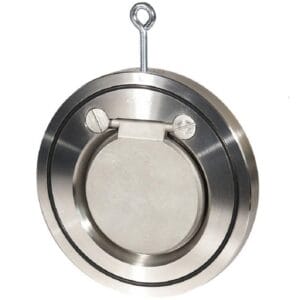
A check valve (also called a Non-Return Valve or NRV) allows water to flow in one direction only, automatically closing if flow reverses. In fire fighting systems, check valves are critical at two locations: on the outlet of each fire pump (to prevent backflow through a standby pump), and at the connection between a fire system and a domestic water supply (to prevent contamination under backpressure).
Fire Brigade NRV types: two-way, three-way, and four-way
NRVs used at fire brigade inlet points (breeching inlets) come in multi-way configurations to allow simultaneous connection of multiple hoses. The Fort Fortune three-way and four-way SS NRV models are designed for exactly this application each inlet has its own check valve, preventing backpressure from one hose from pushing water out through another.
NRV Type | Connections | Typical Application | Material |
Single Way NRV | 1 inlet | Pump outlet, individual risers | SS / CI |
Two Way NRV / Breeching | 2 inlets | Mid-rise fire brigade inlet | CI / SS |
Three Way NRV | 3 inlets | High-rise brigade connections | SS (Fortune) |
Four Way NRV | 4 inlets | Large industrial/commercial | SS (Fortune) |
The check valve on a fire pump outlet must be a swing-check or non-slam type rated for the pump’s maximum working pressure. A failed or missing check valve is one of the most common causes of fire system pressure loss during testing and a mandatory replacement trigger during annual service.
Alarm Valves and Deluge Valves: Automatic Activation in Sprinkler Systems
Alarm valves and deluge valves are the heart of automatic fire suppression systems. Unlike manually operated isolation valves, these activate in response to fire conditions — either from a sprinkler head opening (alarm valve) or an external detector signal (deluge valve). Getting these right is not optional: they are the components that determine whether your sprinkler system actually suppresses a fire automatically.
Alarm valve in sprinkler systems
An alarm valve sits at the base of a wet-pipe sprinkler system riser. Under normal conditions, it holds system water pressure on the downstream side. When a sprinkler head opens due to heat, the pressure drop causes the alarm valve to open, allowing water to flow to the activated head. Simultaneously, a water motor alarm (mechanical gong) and/or pressure switch triggers the fire alarm panel.
Alarm valves must be installed with a retard chamber — a small chamber that absorbs momentary pressure fluctuations and prevents false alarms from water hammer or minor pressure surges. IS 15105 specifies the alarm valve design and test requirements for Indian installations.
Deluge valve in fire systems
A deluge valve is used in deluge sprinkler systems, where all sprinkler heads on the circuit are open simultaneously. The valve stays closed until it receives a signal from a detection system (heat, smoke, or flame detector), then opens to flood the entire protected area with water. Deluge systems are specified for high-hazard areas: transformer rooms, fuel storage, aircraft hangars, and chemical process plants.
Deluge valves require a separate pilot detection circuit and a dedicated control panel. They must be manually reset after each activation they do not re-close automatically once opened. This distinction from alarm valves is critical during system design and must be clearly documented in the fire protection plan submitted for NOC approval.
Landing Valves, Pressure Relief Valves, and Ball Valves in Hydrant Systems
Fire hydrant landing valve
A landing valve is installed at each floor level in a wet riser or dry riser system. It provides a controlled outlet point for firefighters to connect their hoses. The Ultra Fire SS Single Way Landing Valve is one of the most specified models in India — its stainless steel body provides corrosion resistance in high-humidity environments (basements, plant rooms), and its quick-connect coupling is compatible with fire brigade hose fittings.
Landing valves must be installed at a height of 0.75m to 1.0m from the floor, clearly marked, and accessible without obstruction. Under NBC 2016, wet riser systems in buildings above 30m must have a landing valve at every floor. Missing or corroded landing valves are the most frequent fire safety violation cited in residential high-rise inspections.
Pressure relief valve in fire systems
A pressure relief valve (PRV) protects the fire fighting system from over-pressure, which can occur when a pump runs with all outlets closed (dead-head condition) or during thermal expansion in a sealed system. PRVs open automatically at a pre-set pressure and close when pressure drops back to the safe range. They are mandatory on fire pump sets and jockey pump circuits.
The set pressure must be calibrated during commissioning typically 10–15% above the system’s design working pressure. A PRV set too low causes nuisance pressure losses; set too high, it provides no protection. This calibration must be documented and verified at each annual service inspection.
Ball valve in fire protection systems
Ball valves use a quarter-turn ball mechanism to open or close flow completely. In fire systems, they are primarily used as drain valves, test connections, and auxiliary isolation points not as mainline isolation valves (that role belongs to gate or butterfly valves). Ball valves must be fire-safe rated (FS) if installed in any location where they could be exposed to fire, meaning their seals must maintain integrity at temperatures above 200°C.
How to Choose the Right Fire Fighting System Valves for Your Building
Selecting the correct fire safety valve for each application isn’t guesswork — it follows from the system type, building height, hazard classification, and applicable standards. Here’s a practical decision guide.
- Identify your system type – Wet-pipe sprinkler, dry-pipe, deluge, hydrant-only, or combined? Each system type has specific valve requirements. Deluge systems need deluge valves; wet-pipe systems need alarm valves; hydrant systems need landing valves and NRVs.
- Match material to environment – Stainless steel (SS) for coastal, humid, or corrosive environments. Cast iron (CI) for internal dry locations where cost is a priority. Ductile iron for high-pressure mainline applications above 16 bar.
- Confirm pressure rating – All valves must be rated at minimum 1.5x the system’s working pressure. For most Indian residential systems this means a minimum 12 bar WP; industrial systems often require 16–25 bar rated components.
- Check IS / FM / UL certification – For insurance and NOC compliance, valves should carry IS 778, IS 780, or IS 5312 markings as appropriate, or FM/UL approval for systems designed to NFPA 13 standards.
- Plan for inspection access – Every valve must be accessible for quarterly visual inspection and annual function testing. Valves buried in walls, above false ceilings, or behind equipment without access panels are a compliance violation from day one.
Fire Fighting Valve Types
Valve Type | System Role | Activation | Key Standard |
Gate Valve (OS&Y) | Mainline isolation | Manual (multi-turn) | IS 780, NFPA 13 |
Butterfly Valve | Zone isolation | Manual / motorised | IS 13095, FM approved |
Check Valve / NRV | Backflow prevention | Automatic (flow-dependent) | IS 5312 |
Alarm Valve | Wet sprinkler control | Automatic (sprinkler open) | IS 15105 |
Deluge Valve | Open-head systems | Automatic (detector) | IS 15105, FM |
Landing Valve | Hydrant outlet | Manual (fire brigade) | IS 5290 |
Pressure Relief Valve | Overpressure protection | Automatic (set pressure) | IS 1239 |
Ball Valve (FS rated) | Drain / test / auxiliary | Manual (quarter-turn) | BS EN 13709 |
FAQs About Types of Valves Used in Fire Fighting System
Q: What are the main types of valves used in a fire fighting system?
The primary valve types in a fire fighting system are: gate valves (mainline isolation), butterfly valves (zone isolation), check valves or NRVs (backflow prevention), alarm valves (wet sprinkler systems), deluge valves (open-head sprinkler systems), landing valves (hydrant outlets), pressure relief valves (overpressure protection), and ball valves (drain and auxiliary connections). Each serves a distinct, non-interchangeable function and must be selected based on system type, pressure rating, and applicable Indian or international standards.
Q: What is the difference between an alarm valve and a deluge valve in a sprinkler system?
An alarm valve is used in wet-pipe sprinkler systems where heads are individually heat-activated — it opens when a specific sprinkler head opens due to heat, allowing water to flow only to that head. A deluge valve is used in systems where all sprinkler heads are open simultaneously and is activated by an external detection signal (smoke, heat, or flame detector), flooding the entire protected area at once. Deluge systems are used in high-hazard environments; alarm valves are standard in most commercial and residential sprinkler installations.
Q: What is a landing valve and where is it required?
A landing valve is a controlled outlet valve installed at each floor level of a wet or dry riser system in a building. It allows fire brigade personnel to connect their hoses to the building’s water supply during a fire. Under NBC 2016, buildings above 30 metres must have a landing valve on every floor of the stairwell riser, installed at 0.75–1.0 metres height and clearly marked. The Ultra Fire SS Single Way Landing Valve is the most commonly specified model for Indian residential and commercial high-rise installations.
Q: Why are non-return valves (NRVs) essential in fire fighting systems?
Non-return valves prevent water from flowing backward through the system, which has two critical consequences if absent: backpressure from the mains can push through a standby fire pump, causing it to spin in reverse and eventually fail; and in systems connected to both fire and domestic water supplies, backflow can contaminate the potable water supply. NRVs are mandatory at all fire pump outlets, breeching inlet connections, and wherever a fire system connects to a mains water supply. Fortune three-way and four-way SS NRVs are designed for multi-hose brigade inlet connections on high-rise buildings.
Q: How often do fire fighting system valves need to be inspected and serviced?
Under NBC 2016 and TAC guidelines, fire system valves require quarterly visual inspection (checking for leaks, correct open/closed position, tamper switch integrity) and annual function testing (full-flow test, pressure test, and valve operation cycle). Alarm valves and deluge valves additionally require annual trip testing the valve is intentionally activated to confirm it opens correctly and triggers the alarm. All tests must be documented in a maintenance log, which is required for Fire NOC renewal and building insurance compliance. FireSupplies provides certified annual maintenance contracts covering all valve types across Indore and central India.
Get Your Fire Protection Valves Specified Correctly The most important action you can take after reading this guide is to audit your existing fire system valve schedule against the types and standards listed here. If you’re specifying a new system, work with a certified fire protection engineer who can match each valve type to your building’s hazard classification and system design. At FireSupplies, we supply ISI and FM-approved valves across all categories and provide on-site compliance support for Fire NOC applications. |

