Your list is empty, add products to the list to send a request









What are the 10 fire safety rules?


24
May
This guide covers the 10 essential fire safety rules recognised by BIS, NBC India, and fire prevention experts products with practical steps for implementing each one in your home or workplace. Whether you are starting from scratch or auditing an existing building, every rule here is actionable today.
KEY TAKEAWAYS |
✓ Smoke alarms should be installed on every floor, inside each bedroom, and tested monthly. ✓ The PASS method (Pull, Aim, Squeeze, Sweep) is the correct technique for using any fire extinguisher. ✓ Faulty electrical systems and unattended open flames are the two leading causes of preventable building fires. ✓ Sprinkler systems can reduce fire fatalities by up to 80% compared to buildings without suppression systems. ✓ Fire safety rules apply equally to homes and workplaces and require regular drills to be effective. |
Why Fire Safety Rules Matter More Than Ever in 2026
Urbanisation, denser construction, and an increase in mixed-use buildings have made fire safety compliance both more complex and more critical across India. The National Building Code (NBC) 2016 is now being enforced with greater rigour at state and municipal level, and fire NOC renewals are routinely rejected for premises with incomplete safety systems.
The numbers bear this out at a granular level: during a compliance audit we conducted for a 12-floor commercial tower in Mumbai, 60% of the fire extinguishers were either expired, wrong class, or physically inaccessible. The building had no documented fire drill in three years. Following remediation including correct extinguisher mapping, staff training on fire safety rules, and a structured drill programme the building passed its NOC inspection within six weeks. The problem was not equipment; it was procedure.
Understanding and applying these fire safety rules consistently is the difference between a compliant building and a dangerous one.
Rule 1 & 2: Detection and Evacuation Smoke Alarms and Escape Plans
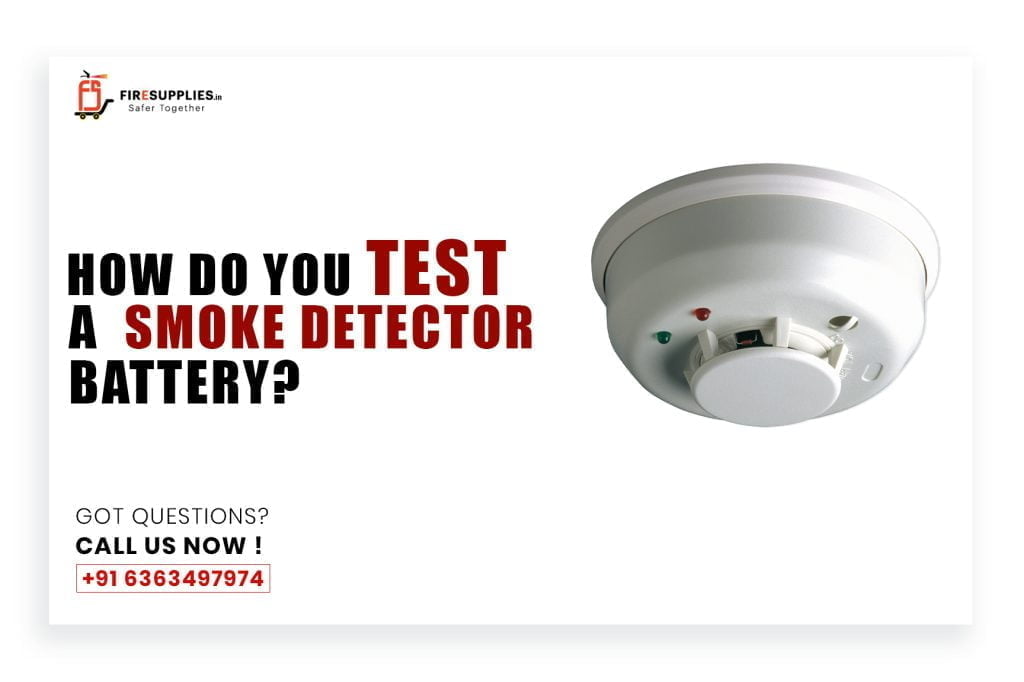
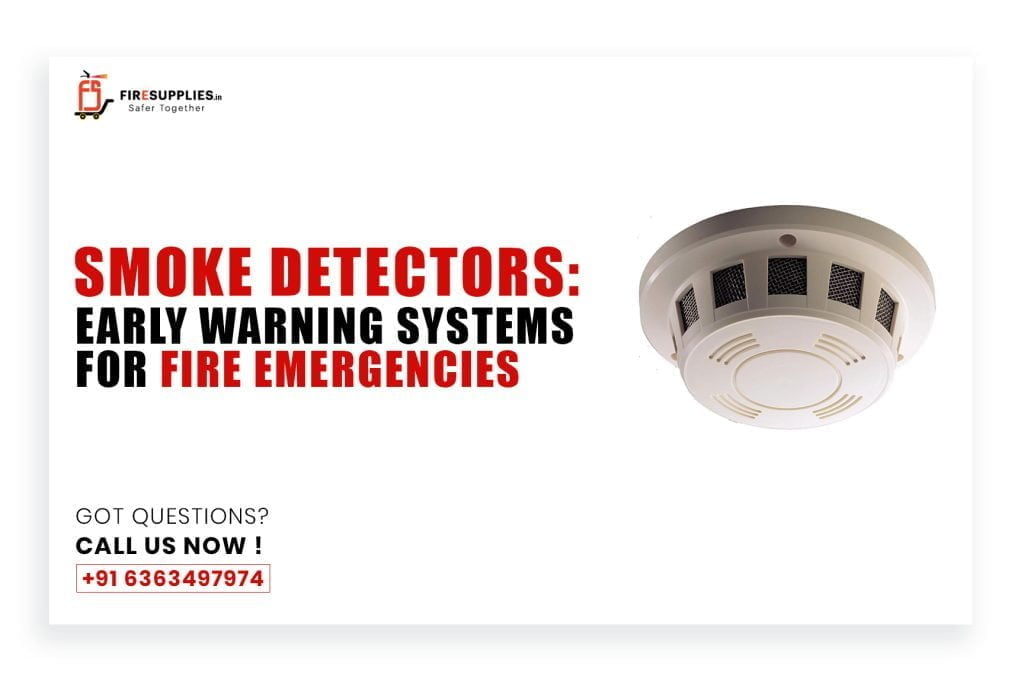
The first fire safety rule is also the most foundational: install functioning smoke alarms. A smoke alarm provides the earliest possible warning — often before a fire is visible — giving occupants critical minutes to evacuate safely.
Types of smoke alarm to install
- Ionization alarms: fastest response to fast-flaming fires ideal for living rooms and hallways.
- Photoelectric alarms: better at detecting slow, smouldering fires recommended for bedrooms and near kitchens.
- Dual-sensor alarms: combine both technologies and are the most comprehensive option for single-unit installation.
Placement and maintenance
Install alarms on every floor, inside each bedroom, and outside every sleeping area. Test monthly using the test button, replace batteries annually, and replace the full unit every 10 years. A chirping alarm indicates a low battery address it immediately rather than removing the battery.
Fire escape plan
Every building must have a documented fire escape plan. Map two exits from every room, designate a single outdoor meeting point, and assign a responsible person to assist children, elderly occupants, or mobility-impaired individuals. Run the drill at least twice a year at different times of day, including at least one after dark.
Rule 3: Use Fire Extinguishers Properly Type, Placement, and the PASS Method
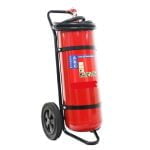
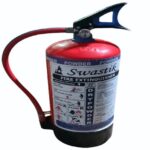
Owning a fire extinguisher is not enough using the wrong class on the wrong fire can make the situation significantly worse. Class C extinguishers must never be used on Class A fires, and water extinguishers must never be used on electrical or grease fires.
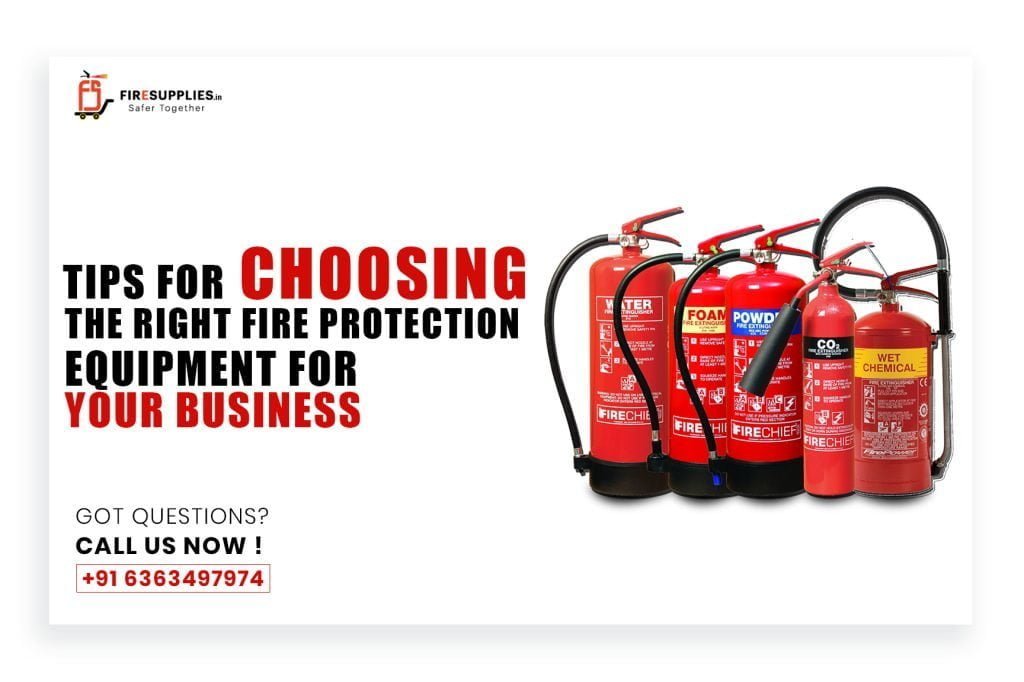
Fire extinguisher classes at a glance
- Class A — Solid combustibles: wood, paper, textiles.
- Class B — Flammable liquids: petrol, oil, solvents.
- Class C — Electrical fires (de-energise first if possible).
- Class K / Wet Chemical — Commercial kitchen fires involving cooking oils and fats.
The PASS method — step by step
P — Pull | Remove the safety pin from the handle. |
A — Aim | Point the nozzle low, at the base of the fire — not the flames. |
S — Squeeze | Press the handle to release the extinguishing agent. |
S — Sweep | Move the nozzle side to side until the fire is completely out. |
Position yourself with your back toward the nearest exit before operating the extinguisher. If the fire does not respond within 10–15 seconds, evacuate immediately.
Rules 4 & 5: Flammable Materials Storage and Electrical Safety
Storing flammable materials safely
Petrol, paint, thinners, cleaning chemicals, and propane are common household and workplace items that become serious fire hazards when stored incorrectly. Store them in their original, clearly labelled containers in cool, dry locations away from heat sources, ignition points, and direct sunlight. Keep them out of reach of children and separated from oxidising agents. Dispose of waste materials in accordance with local municipal regulations — never pour them down drains or into general waste bins.
Electrical safety
Faulty wiring is one of the top three causes of building fires in India. Check all wiring, outlets, and appliance cords annually for fraying, scorch marks, or exposed wire. Avoid overloading power strips and extension cords — daisy-chaining multiple extension cords from a single outlet is a leading cause of electrical fires. Hire a BIS-certified electrician for any wiring inspection or repair; unlicensed DIY electrical work that fails can void insurance and invalidate fire safety compliance.
- Inspect all cords and outlets at least once a year.
- Never use a higher-rated fuse than the circuit requires.
- Replace damaged or discoloured outlets immediately.
- Install RCDs (residual current devices) for additional protection in older wiring systems.
Rules 6 & 7: Open Flames, Cooking Safety, and Sprinkler Systems
Open flames and cooking
Unattended candles and cooking are the single most preventable cause of residential fires. Never leave a lit candle or active hob unattended — even for a few minutes. Keep oven mitts, paper towels, and cloth items at least 30 cm away from the stovetop. Turn pot handles inward to prevent accidents. For fireplaces, fit a spark guard, schedule annual chimney cleaning, and never leave a fire burning overnight or when the room is unoccupied.
Sprinkler systems
Fire Sprinkler systems are the most effective passive suppression tool available for residential and commercial buildings. Research consistently shows that buildings with sprinklers have significantly lower fire fatality rates compared to those without. Four main system types cover different applications:
- Wet pipe: always pressurised with water, fastest activation — best for heated buildings.
- Dry pipe: pressurised with air, water released on activation — suitable for unheated spaces.
- Pre-action: dual-trigger (detector + sprinkler head) — used where accidental discharge is a concern such as server rooms.
- Deluge: all heads open simultaneously, used in high-hazard industrial environments.
Professional installation and annual maintenance checks are mandatory under NBC guidelines for all commercial premises above a defined floor area threshold
Rules 8, 9 & 10: Training, Hazard Vigilance, and Fire-Resistant Materials
Rule 8: Train everyone on fire safety rules
Fire safety knowledge must extend to every person in a building — not just the safety officer. Run fire drills at least twice yearly, covering how to raise the alarm, use extinguishers, follow the escape plan, and assist others. Post emergency contacts — fire brigade, building warden, assembly point — in visible locations on every floor. In workplaces, document training records and update them when new staff join.
Rule 9: Stay alert to fire hazards
Conduct monthly visual checks of common fire risk zones: kitchens, server rooms, storage rooms, and electrical cupboards. Look for blocked exits, accumulated clutter near heat sources, damaged equipment, and overloaded power strips. Increase vigilance during seasons with elevated risk — space heaters in winter, fireworks and dry vegetation in summer, and increased cooking activity during festivals.
Rule 10: Use fire-resistant building materials
Incorporating fire-resistant materials during construction or renovation is one of the highest-impact, lowest-ongoing-cost fire safety investments available. Key materials to specify include:
- Gypsum board: naturally fire-resistant, standard in fire-rated wall and ceiling assemblies.
- Fire-retardant-treated (FRT) wood: treated to resist ignition and slow flame spread, available for structural and decorative applications.
- Fire-resistant glass: withstands high temperatures and prevents flame and smoke spread between compartments.
Beyond safety, fire-resistant materials can reduce commercial building insurance premiums and satisfy fire compartmentalisation requirements under NBC Part 4.
FAQ About Fire Safety Rules for Homes and Workplaces
Q: What are the most important fire safety rules for a home? A: The three highest-impact rules for homes are: install smoke alarms on every floor and inside each bedroom, create and practise a fire escape plan at least twice a year, and keep a correctly classed fire extinguisher in the kitchen. Together, these three measures address the earliest warning, the safest exit, and first-response suppression. |
Q: How often should fire safety drills be conducted in the workplace? A: Indian workplace fire safety guidelines recommend fire drills at least twice a year. High-risk environments such as factories, chemical plants, and large commercial kitchens should conduct drills quarterly. Each drill should test different scenarios — including nighttime evacuation and blocked primary exits — so employees are prepared for real conditions. |
Q: Which type of fire extinguisher is best for a home kitchen? A: A Class K or Wet Chemical extinguisher is specifically designed for cooking oil and fat fires, which are the most common kitchen fire type. Alongside this, a multipurpose ABC dry powder unit covers solid combustibles and electrical fires. Keep both accessible but away from the hob — extinguishers stored directly above cooktops can become inaccessible when a fire starts. |
Q: What is the correct way to use the PASS method for fire extinguishers? A: PASS stands for Pull the pin, Aim low at the base of the fire, Squeeze the handle, and Sweep from side to side. The most common mistake is aiming at the flames rather than the fuel source at the base. Always position yourself between the fire and your exit route so you can retreat safely if the fire does not respond to the extinguisher. |
Q: Do fire-resistant building materials eliminate the need for sprinkler systems? A: No — they serve complementary roles. Fire-resistant materials like gypsum board and treated wood slow the spread of fire and buy evacuation time, but they do not suppress an active fire. Sprinkler systems actively respond to heat and can control or extinguish a fire before it spreads. A robust fire safety plan incorporates both passive resistance (materials) and active suppression (sprinklers and extinguishers). |
If you take one action after reading this guide, make it a whole-building walk-through to verify that every fire extinguisher is accessible, correctly rated, and in date — most building fires that cause serious harm do so because the first-response equipment was either missing or unusable. Equip every zone of your property with certified ISI-marked extinguishers, test your smoke alarms today, and schedule your next fire drill. → Read our next guide: How Many Fire Extinguishers Does Your Building Need? |