
Your list is empty, add products to the list to send a request








What is a DCP Fire Extinguisher? Uses, Benefits & Working Explained

20
Feb
A DCP Fire Extinguisher is one of the most widely used fire protection tools in homes, offices, and industrial facilities. If you are responsible for safety in your building, understanding how a DCP extinguisher works and when to use it is essential. At Fire Supplies, we often get asked simple but important questions: What type of fires can a DCP fire extinguisher put out? Is it safe for electrical fires? Is it suitable for industrial use? This complete guide answers those questions clearly. You will learn what a DCP Type Fire Extinguisher is, how it works, its uses, benefits, limitations, and how to choose the right size for your property.
What is a DCP Fire Extinguisher?
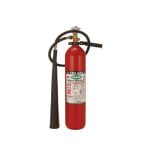
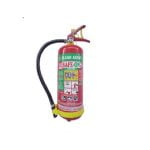
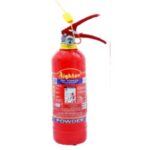
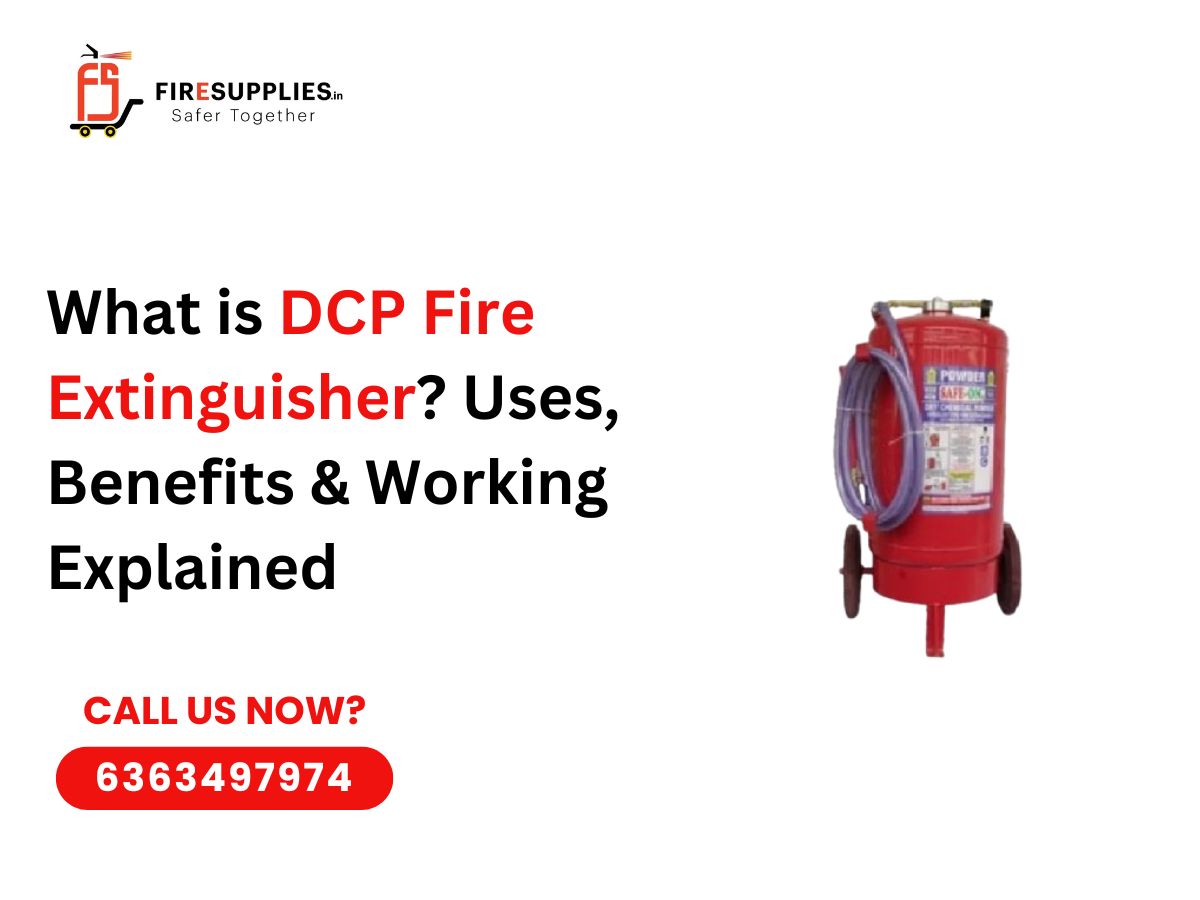
A DCP Fire Extinguisher (Dry Chemical Powder extinguisher) is a fire safety device that uses dry powder to extinguish fires by cutting off the oxygen supply and interrupting the chemical reaction of the flame. It is effective against Class A (solid materials), Class B (flammable liquids), and Class C (electrical) fires.
In simple terms, it is a multipurpose extinguisher that can handle several common fire types. That versatility makes it one of the most popular choices for homes and industrial environments.
Technical Details of a DCP Type Fire Extinguisher
Below is a simplified technical overview to help you understand its structure and function.
| Feature | Description |
| Extinguishing Agent | Monoammonium phosphate or similar dry chemical powder |
| Discharge Method | Pressurised release through hose/nozzle |
| Fire Classes | A, B, and C |
| Electrical Safety | Non-conductive powder suitable for electrical fires |
| Capacity Options | 1kg, 2kg, 4kg, 6kg, 9kg, 25 kg dcp fire extinguisher |
| Operating Mechanism | Squeeze lever with internal pressure |
Although terms like high bandwidth or expandable loops apply to fire alarm system panels, the DCP extinguisher focuses on rapid discharge and wide fire-class coverage.
How Does a DCP Fire Extinguisher Work?
A fire extinguisher dcp type works in three main ways:
- It smothers the fire by forming a powder layer over the burning material.
- It interrupts the chemical reaction that sustains the flame.
- It reduces oxygen supply around the fire source.
When you pull the safety pin and squeeze the handle, compressed gas pushes the dry powder out through the hose. The powder spreads across the fire, quickly stopping combustion. This is why a dcp extinguisher is often described as a fast-acting and versatile fire protection tool.
Types of Fires a DCP Fire Extinguisher Can Handle
Understanding fire classes is critical for safe usage.
Class A Fires
- Wood
- Paper
- Cloth
- Plastics
Class B Fires
- Petrol
- Diesel
- Oil
- Paints
Class C Fires
- Electrical equipment
- Switchboards
- Generators
Because of this wide coverage, a DCP Fire Extinguisher for Industry is often mandatory in factories and warehouses.
DCP Fire Extinguisher Uses in Different Environments
1. DCP Fire Extinguisher for Home
For residential properties, DCP extinguishers provide peace of mind. They are ideal for:
- Kitchen areas
- Garages
- Electrical panels
- Small workshops
A compact 4kg or 6kg unit is typically suitable for household use.
- DCP Fire Extinguisher for Industry
Industrial facilities often use larger units such as a 25 kg dcp fire extinguisher. These are mounted on trolleys for easy movement.
Common industrial uses include:
- Manufacturing plants
- Oil storage areas
- Warehouses
- Generator rooms
The versatility of the DCP extinguisher makes it suitable where multiple fire risks exist.
- Commercial Buildings
Offices and retail spaces benefit from multipurpose protection. DCP extinguishers can handle paper fires and electrical fires in one device. This reduces the need for multiple extinguisher types.
Advantages of a DCP Fire Extinguisher
There is a reason the DCP Type Fire Extinguisher is widely used.
Key Benefits
- Multipurpose fire coverage
- Suitable for electrical fires
- Fast knockdown capability
- Cost-effective
- Easy to operate
- Available in multiple sizes
It is especially useful where fire risks vary.
Limitations of a DCP Extinguisher
While versatile, it has some drawbacks:
- Leaves powder residue
- Can reduce visibility during discharge
- Not ideal for sensitive electronics
- Requires post-fire cleanup
For data centres or delicate equipment, CO2 extinguishers may be more appropriate.
DCP Fire Extinguisher vs Other Fire Extinguishers
Choosing the right extinguisher depends on risk type.
- Water extinguishers: Best for Class A only
- CO2 extinguishers: Best for electrical fires
- Foam extinguishers: Good for flammable liquids
- DCP Fire Extinguisher: Covers A, B, and C
If you want all-in-one versatility, DCP is often the best option.
Relationship Between DCP Extinguishers and Fire Alarm System
A fire alarm system detects and alerts occupants about a fire. A DCP extinguisher is used to control small fires before they spread.
Both systems work together in a complete fire protection strategy. Early detection plus immediate suppression reduces damage significantly.
Authoritative fire safety guidance can be found from:
- National Fire Protection Association (NFPA) – https://www.nfpa.org
- International Organization for Standardization (ISO) – https://www.iso.org
- Occupational Safety and Health Administration (OSHA) – https://www.osha.gov
Short Buying Guide for a DCP Fire Extinguisher
Before purchasing, consider:
- Type of fire risk in your location
- Required capacity (home vs industry)
- Mounting type (wall or trolley)
- Compliance with recognised standards
- Maintenance support availability
For industrial use, a 25 kg dcp fire extinguisher provides extended discharge time. For home use, smaller portable units are easier to manage.
Maintenance and Inspection
To ensure reliability:
- Inspect monthly for pressure level
- Service annually by certified technicians
- Replace after discharge
- Keep accessible and visible
Regular inspection ensures your DCP Fire Extinguisher works when needed.
Frequently Asked Questions (FAQs)
1. What type of fires can a DCP fire extinguisher put out?
A DCP fire extinguisher can extinguish Class A fires (wood, paper), Class B fires (flammable liquids), and Class C fires (electrical equipment). This makes it a multipurpose fire protection solution.
2. Is a DCP fire extinguisher safe for electrical fires?
Yes. The dry chemical powder is non-conductive, making it safe for electrical fires involving switchboards, appliances, and generators.
3. How does a DCP fire extinguisher work?
A DCP fire extinguisher releases dry chemical powder under pressure. The powder smothers the fire, interrupts the chemical reaction, and cuts off oxygen, stopping combustion quickly.
Standards & Certifications
DCP extinguishers should comply with recognised safety standards. These include international fire safety codes and local regulatory requirements. Always purchase from a trusted provider like Fire Supplies to ensure genuine, certified products. For related fire protection systems, explore advanced fire detection brands here:
A DCP Fire Extinguisher is a dry chemical powder extinguisher that puts out Class A, B, and C fires. It works by smothering flames and interrupting the fire’s chemical reaction. It is safe for electrical fires and widely used in homes, offices, and industrial facilities.
Protect Your Property with the Right Fire Protection
Choosing the correct extinguisher can prevent serious damage and save lives. Whether you need a DCP Fire Extinguisher for Home or a DCP Fire Extinguisher for Industry, Fire Supplies provides certified, high-quality fire protection solutions.
Contact Fire Supplies today to get expert advice and secure your property with reliable fire safety equipment.

