
Your list is empty, add products to the list to send a request









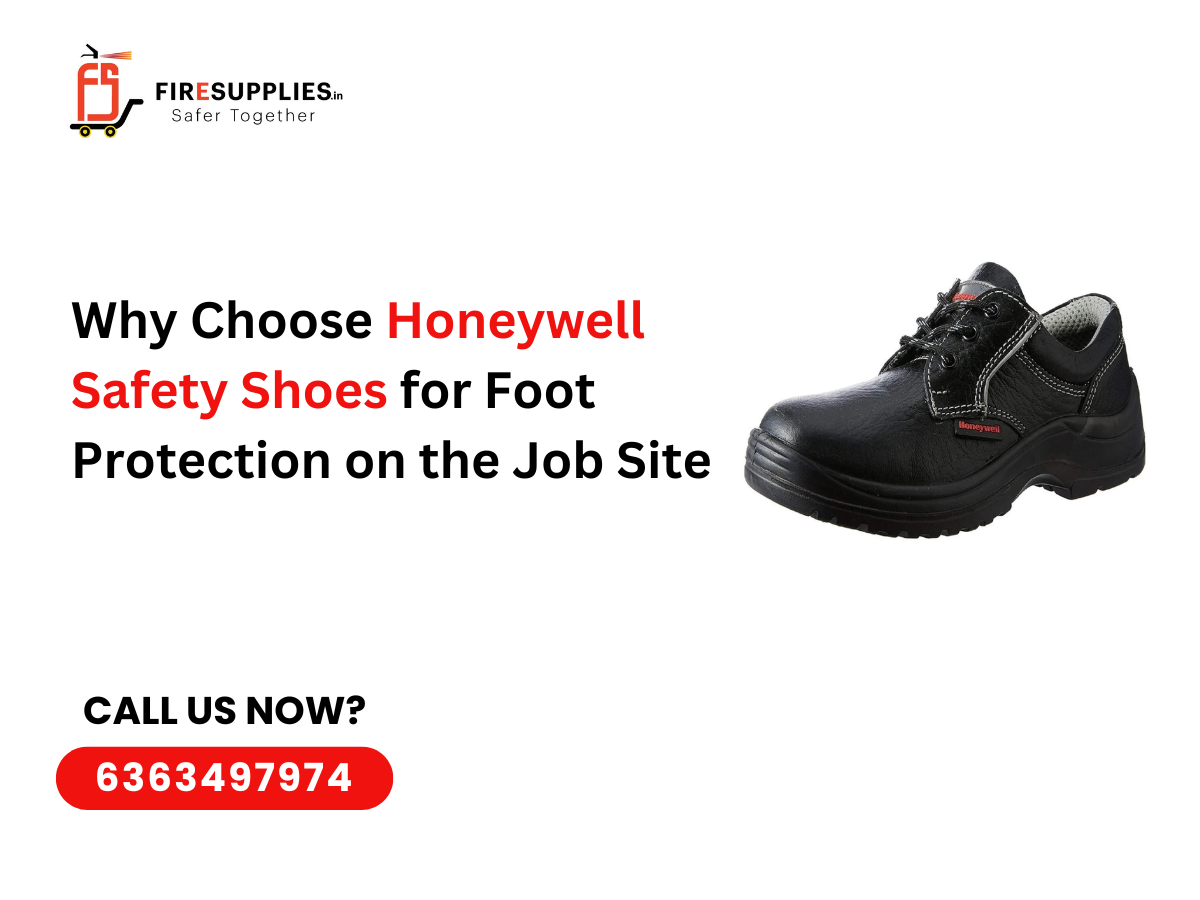
Why Choose Honeywell Safety Shoes for Foot Protection on the Job Site

20
Nov
Foot injuries are among the most common workplace hazards, especially in construction, manufacturing, warehousing, logistics, and engineering environments. Sharp edges, falling objects, oily floors, heavy machinery, electrical equipment, and rough surfaces make reliable protective footwear a necessity—not an option. This is exactly why Honeywell Safety Shoes have become the preferred choice for professionals across industries.
Built with advanced safety engineering and strict adherence to BIS standards, Honeywell footwear provides exceptional protection, long-lasting durability, and all-day comfort. Whether you’re working in a demanding industrial unit or a large outdoor job site, Honeywell’s steel toe and safety-tested footwear ensures your feet remain safe throughout your shift.
What Makes Honeywell Safety Shoes Essential for Industrial Foot Protection
Industrial sites expose workers to multiple hazards every day. Without proper safety shoes, even a minor mishap can lead to serious injury, lost productivity, and costly downtime.
Honeywell Safety Shoes are engineered to tackle these risks through features such as:
- Steel toe impact protection
- Slip-resistant soles
- Oil-resistant and abrasion-resistant outsoles
- Shock absorption technology
- Sturdy body construction
- Electrical hazard protection (model-specific)
- Long-wearing comfort and support
Honeywell’s design philosophy focuses on creating safe, functional, and durable safety footwear suitable for diverse job roles.
Honeywell Safety Shoes vs. Regular Safety Shoes
One of the most asked questions is what sets Honeywell Safety Shoes apart from common or budget safety shoes.
Here is what makes the difference:
1. International-Grade Engineering
Honeywell is a global brand with decades of safety innovation. Their footwear undergoes strict quality controls and uses premium materials designed to last in industrial conditions.
2. BIS Compliance
Honeywell meets BIS standards, ensuring proper testing for:
- Impact resistance
- Compression strength
- Sole durability
- Slip resistance
- Electrical safety (for specific models)
Not all generic safety shoes carry this certification.
3. Superior Comfort for Long Hours
Workers often wear safety shoes for 8–12 hours a day. Honeywell footwear includes:
- Cushioned insoles
- Breathable linings
- Padded collars
- Ergonomic silhouettes
This improves comfort and reduces fatigue.
4. Reliable Slip and Oil Resistance
Honeywell designs its soles to provide firm grip on surfaces with water, oil, chemicals, dust, or debris.
5. Durable and Long-Lasting Materials
From outsole to upper stitching, Honeywell uses high-density materials that withstand tough conditions and extend the usable life of the shoes.
Enhanced Job-Site Protection with Honeywell Safety Shoes
Whether you’re handling tools, operating machinery, or walking through slippery pathways, Honeywell Safety Shoes are engineered to safeguard your feet in every situation.
Major Protection Features Include:
- Steel toe cap compliant with BIS standards
- Anti-slip patterns for friction and stability
- Oil-resistant sole for chemical-prone environments
- Shock absorption that reduces joint stress
- Toe and heel reinforcement to resist abrasion
- Firm ankle support to prevent twisting or rolling
These features come together to create footwear that keeps workers safe from common job-site injuries.
Heavy-Duty Steel Toe Protection
Steel toe protection is one of the defining features of Honeywell Safety Shoes, making them ideal for industries with high risk of impact or falling objects.
Steel Toe Strengths:
- Protects toes from up to 200 joules of impact
- Prevents fractures from sudden compression
- Provides added stability while working
- Complies with industrial safety norms
Workers dealing with heavy equipment, tools, or construction materials rely heavily on this feature.
Slip and Oil Resistance for Safer Work Environments
Slips and falls are some of the most preventable workplace accidents. Honeywell addresses this with outsoles designed to provide maximum friction and grip.
How Honeywell Improves Grip:
- Deep tread designs
- Rubber or PVC anti-slip compounds
- Oil-resistant surface chemistry
- Slip resistance tested under different surfaces
This makes Honeywell a strong choice for environments such as:
- Workshops
- Warehouses
- Factories
- Garages
- Oil handling facilities
Comfort That Lasts Through Long Work Shifts
Safety is important, but comfort is what determines whether workers actually enjoy wearing the shoes all day.
Honeywell understands this and integrates ergonomic comfort into every pair.
Comfort-Oriented Features:
- Soft cushioned insoles
- Shock-absorbing midsoles
- Lightweight design to reduce foot strain
- Breathable lining to prevent sweating
- Padded ankle collar for all-day comfort
Comfort reduces fatigue, improves job performance, and lowers the risk of foot injuries.
Honeywell Safety Shoes for Electrical Work
Many job sites require protection from accidental electrical contact. Certain Honeywell models offer Electrical Hazard (EH) resistance.
Electrical Safety Features Include:
- Non-conductive sole
- Shock-resistant design
- Safe for low-voltage risk zones
Important: Always check the exact electrical rating of the model to ensure suitability.
Durability That Matches Tough Work Environments
Industrial footwear needs to do more than protect—it must endure harsh conditions daily.
Durability Highlights of Honeywell Shoes:
- Long-life PVC or rubber soles
- Wear-resistant upper material
- Reinforced stitching
- Abrasion-resistant toe guard
- Thick sole designed for rough terrain
Honeywell products typically outlast regular safety shoes, making them a cost-effective choice.
Honeywell Safety Shoes for Different Industries
Honeywell’s design versatility allows it to support workers across multiple sectors.
Industries Where Honeywell Excels:
- Construction
- Manufacturing
- Engineering
- Automotive workshops
- Logistics and transportation
- Warehousing
- Railways
- Mining (depending on model)
- Electrical installations
Their broad suitability makes Honeywell a highly trusted industrial footwear brand.
How Honeywell Safety Shoes Comply with BIS Standards
Honeywell does not compromise when it comes to compliance. Every safety shoe model is manufactured to meet or exceed BIS requirements.
BIS Testing Includes:
- Toe cap impact and compression tests
- Sole flexing test
- Slip resistance on wet and dry surfaces
- Sole oil resistance test
- Abrasion resistance
- Electrical resistance (if applicable)
This ensures every shoe provides real and reliable safety.
References to Authoritative Safety Sources
For workers and safety officers seeking more information on safety footwear standards, these organizations provide detailed guidelines:
- Bureau of Indian Standards (BIS) – Industrial footwear specifications
- International Organization for Standardization (ISO 20345) – Global safety shoe standards
- Occupational Safety and Health Administration (OSHA) – Safety footwear rules and compliance
These are global benchmarks for safety performance.
Maintaining Honeywell Safety Shoes for Longer Life
Proper care keeps safety shoes strong and functional longer.
Maintenance Tips:
- Clean daily with a damp cloth
- Avoid drying shoes under direct sunlight
- Store in a ventilated space
- Replace insoles when worn out
- Inspect soles regularly
Simple steps can significantly extend footwear lifespan.
Frequently Asked Questions (FAQs)
1. What makes Honeywell safety shoes different from regular safety shoes?
Honeywell safety shoes are BIS-compliant, engineered with premium materials, and include advanced features such as steel toe protection, slip resistance, shock absorption, and long-lasting comfort. Regular safety shoes may lack certifications and robust build quality.
2. Are they comfortable for long working hours?
Yes. Honeywell designs its safety shoes with cushioned insoles, breathable linings, padded collars, and lightweight construction to reduce fatigue during 8–12 hour work shifts.
3. Do Honeywell shoes provide slip resistance on oily or wet floors?
Absolutely. Honeywell safety shoes include anti-slip and oil-resistant soles that are tested to maintain grip on wet, oily, or uneven surfaces, helping prevent slips and falls.
Conclusion: Honeywell Safety Shoes Offer Reliable, All-Round Protection
From steel toe protection to slip resistance and durable construction, Honeywell Safety Shoes deliver the complete package for industrial workers. Their combination of safety, comfort, and BIS-certified quality makes them one of the smartest investments for job-site foot protection.
With Honeywell, you get peace of mind knowing that your footwear is engineered to handle real-world hazards.
Upgrade your safety gear today:
Shop Honeywell BIS Steel Toe Safety Shoes

