
Your list is empty, add products to the list to send a request









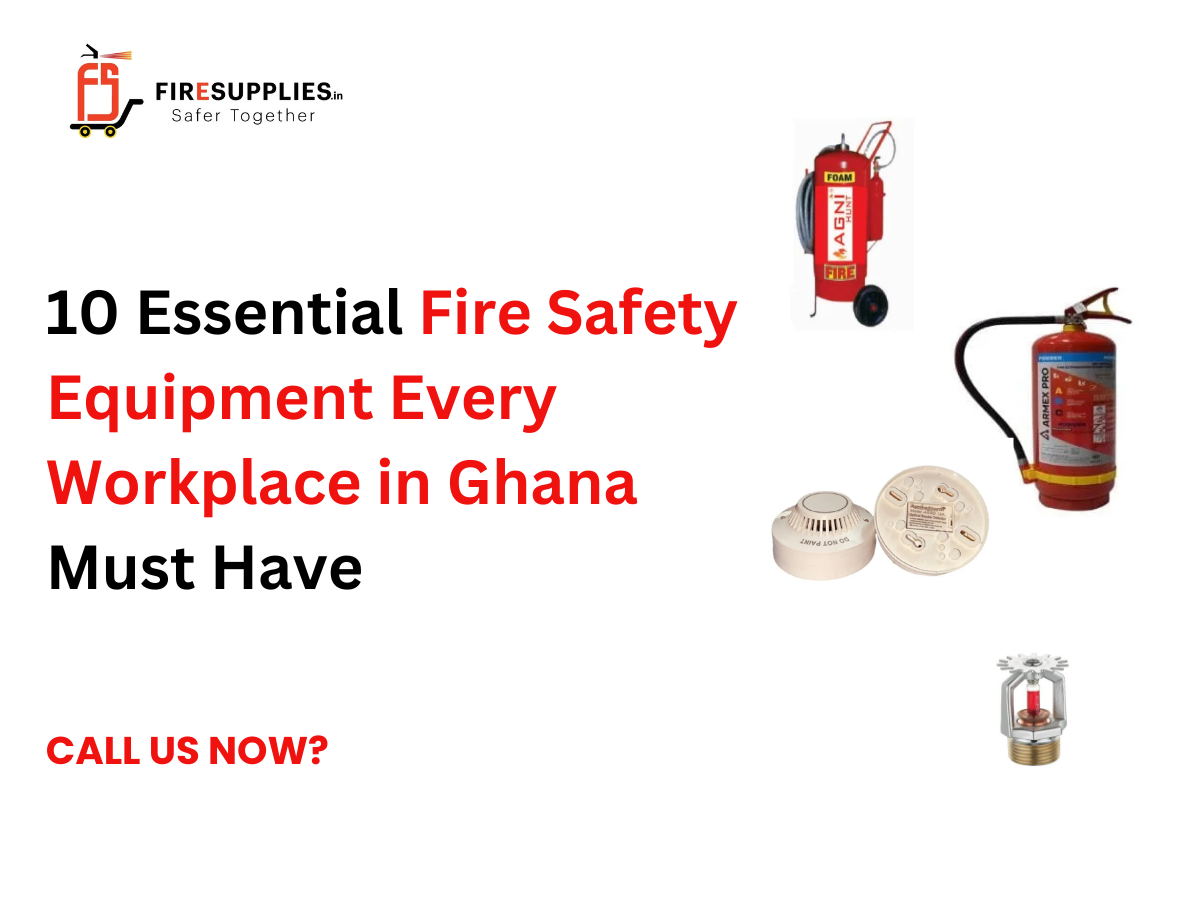
10 Essential Fire Safety Equipment Every Workplace in Ghana Must Have

23
Apr
The 10 essential fire safety equipment every workplace in Ghana must have include: fire extinguishers, fire alarm systems, smoke detectors, emergency exit signs, fire blankets, fire suppression systems, sprinkler systems, first aid kits, fire hose reels, and personal protective equipment (PPE). Together, these fire protection Product in Ghana form a complete safety net helping organisations prevent fires, protect workers, and comply with Ghana’s National Fire Service (NFS) regulations.
Fire safety is not optional it is a legal and moral responsibility for every business in Ghana. Whether you manage a manufacturing plant, a high-rise office building, a retail shop, or an industrial warehouse, having the right fire safety equipment in Ghana can mean the difference between a minor incident and a devastating loss of life and property. Yet, many workplaces in Ghana remain dangerously under-equipped. Inadequate fire fighting equipment in Ghana, outdated alarm systems, and poor fire safety training continue to put thousands of workers at risk every year.
This guide covers the 10 essential fire safety equipment every workplace in Ghana must have, along with inspection schedules, certifications, buying tips, and answers to the most common questions employers ask.
The 10 Essential Fire Safety Equipment Every Workplace in Ghana Must Have
Below is a structured overview of each critical piece of fire protection equipment required in Ghanaian workplaces. These form the backbone of any reliable fire fighting system products setup.
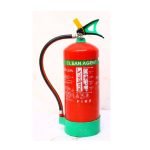
01 . Fire Extinguishers
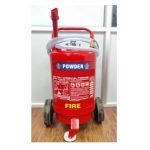
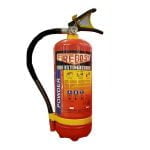
The first line of defence against small fires. Different types ABC dry powder, CO₂, foam — suit different fire classes found in offices, kitchens, and factories.
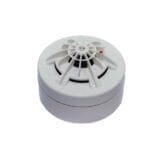
02 . Fire Alarm Systems
An automated fire alarm system detects smoke, heat, or flames and triggers an alert — giving workers crucial seconds to evacuate safely.
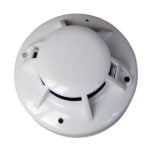
03 . Smoke Detectors
Ionisation and photoelectric detectors identify smoke early. Mandatory in all commercial buildings under Ghana’s fire code.
04 . Emergency Exit Signs
Illuminated emergency exit signs guide workers to safety during power outages and heavy smoke conditions. They must be clearly visible at all times.
05 . Fire Blankets
Used to smother small fires or wrap around a person whose clothing has caught fire. Essential in kitchens, laboratories, and industrial settings.
06 . Fire Suppression Systems
Automatic suppression systems including gaseous and foam-based options protect server rooms, commercial kitchens, and high-risk areas without water damage.
07 . Sprinkler Systems
A core component of fire protection systems in Ghana, sprinklers activate automatically when heat reaches a set threshold controlling fires before the fire service arrives.
08 . First Aid Kits
Readily accessible first aid kits ensure that burn injuries and smoke inhalation can be treated immediately while waiting for emergency services.
09. Fire Hose Reels
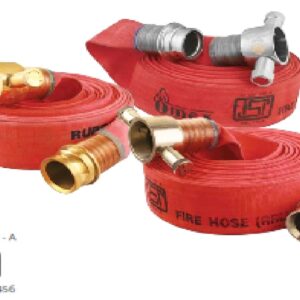
Connected to water supplies, fire hose reels allow trained staff to fight larger fires before they spread. Required in warehouses, factories, and large commercial premises.
10.Personal Protective Equipment (PPE)
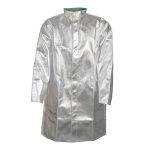
Fire-rated gloves, helmets, and protective suits are critical for designated fire wardens and safety officers during evacuation and emergency response.
Technical Details: Fire Safety Equipment Comparison for Ghanaian Workplaces
Understanding the specifications of each piece of fire safety products helps procurement managers and safety officers make the right purchase decisions. Use this table as a quick reference guide.
| Equipment | Type / Technology | Coverage Area | Inspection Frequency | Best For |
|---|---|---|---|---|
| Fire Extinguisher | ABC Powder, CO₂, Foam, Water | One unit per 200 m² | Monthly visual check; Annual service | All workplaces |
| Fire Alarm System | Addressable / Conventional; Multi-panel sync | Expandable across large premises | Monthly test; Annual full inspection | Offices, factories, hotels |
| Smoke Detector | Ionisation, Photoelectric, Dual-sensor | One per 60–80 m² (ceiling mount) | Monthly functional test | All enclosed spaces |
| Emergency Exit Signs | LED backlit, photoluminescent | Every exit and corridor junction | Monthly battery/light check | High-occupancy buildings |
| Fire Blanket | Fibreglass / Wool composite | Point-use (1.2 m × 1.8 m standard) | Annual inspection | Kitchens, labs |
| Suppression System | CO₂, FM-200, NOVEC 1230, Foam | Room-specific; high bandwidth deployment | Semi-annual inspection | Server rooms, commercial kitchens |
| Sprinkler System | Wet pipe, Dry pipe, Pre-action | Building-wide; expandable loops | Quarterly flow test; Annual inspection | Warehouses, industrial plants |
| First Aid Kit | Class A (office) or Class B (industrial) | One per 50 workers | Monthly inventory check | All workplaces |
| Fire Hose Reel | Manual / Automatic; 25–30 m length | Within 30 m of any point in building | Monthly operational test | Factories, warehouses, hospitals |
| PPE (Fire Rated) | Gloves, helmets, suits, SCBA masks | Per individual fire warden | Before each use; Annual certification | Designated fire wardens |
Use Cases: Fire Safety Equipment for Different Workplaces in Ghana
The specific industrial fire safety solutions Ghana required for your premises will depend on the type of business you operate. Below are the most common use cases for workplaces across Ghana.
Offices and Commercial Buildings
For fire safety for offices in Ghana, the priority is early detection and rapid evacuation. Fire alarm systems in Ghana with addressable panels, smoke detectors, and well-placed emergency exit signage are non-negotiable. Fire extinguishers (CO₂ type near electrical equipment) and fire blankets in kitchen areas are also essential.
Factories and Industrial Plants
Industrial environments demand more robust fire fighting products. Fire hose reels, foam suppression systems, and fire-rated PPE for workers in high-risk zones are critical. Sprinkler systems should be installed throughout production floors and storage areas to prevent rapid fire spread.
Hospitals and Healthcare Facilities
Healthcare settings require non-disruptive suppression systems (such as NOVEC or FM-200) in server rooms and pharmacies. Additionally, evacuation procedures must account for patients who cannot self-evacuate, making emergency exit planning and fire warden training critical.
Retail Shops and Supermarkets
High foot traffic means clear exit signage and rapid alarm activation are vital. Fire extinguishers in Ghana should be strategically placed throughout the shop floor, and staff should receive regular fire safety training so they can guide customers to safety quickly.
Advantages and Limitations of Key Fire Safety Equipment
Key AdvantagesInvesting in quality fire safety equipment suppliers Ghana source locally or import offers significant benefits: protection of human life, reduced insurance premiums, legal compliance with Ghana’s National Fire Service Act, and protection of valuable business assets and data.
Advantages of a Complete Fire Protection System:
- Early detection systems reduce response time and limit fire spread significantly.
- Automatic sprinkler and suppression systems operate even when no staff are present.
- Fire extinguishers empower trained employees to contain small fires before they escalate.
- Emergency lighting and exit signs dramatically reduce panic-related injuries during evacuations.
- Compliance with NFS regulations avoids fines, business closure orders, and legal liability.
Limitations to Be Aware OfNo single piece of equipment eliminates all fire risk. Sprinklers can cause water damage; suppression gases require ventilation; extinguishers are only effective when staff are trained to use them correctly. A layered approach combining equipment, training, and maintenance is always required.
Common Limitations:
- Fire extinguishers only work on small, contained fires — they are not a substitute for evacuation.
- Alarm systems require regular testing; faulty sensors lead to dangerous false confidence.
- Sprinkler systems need access to adequate water pressure — not always reliable in all areas of Ghana.
- PPE offers protection only when worn correctly and regularly maintained.
Buying Guide: Choosing Fire Safety Equipment Suppliers in Ghana
When sourcing fire fighting system products for your business, choosing the right fire safety equipment supplier is as important as choosing the right product. Here is what to look for:
- Certifications: Only purchase products that carry recognised international certifications (CE, UL, FM, or BS EN). See the Standards section below.
- Local compliance: Ensure the supplier understands Ghana’s National Fire Service regulations and can advise on placement and installation requirements.
- After-sales support: Maintenance contracts and inspection services are essential. Equipment that is never serviced offers a false sense of security.
- Product range: A good supplier should offer a full range of fire safety products from extinguishers and alarms to suppression systems and PPE.
- Training services: The best fire safety equipment suppliers Ghana offer staff training packages alongside product sales.
- Warranty: Insist on a minimum 12-month warranty on all equipment, and confirm the supplier stocks spare parts locally.
Buyer WarningAvoid purchasing fire safety equipment from unverified vendors without certifications. Counterfeit or substandard fire extinguishers have been found in markets across West Africa they can fail completely during an emergency, putting lives at serious risk.
Standards and Certifications for Fire Safety Equipment in Ghana
Workplaces in Ghana must ensure that all fire protection equipment complies with recognised national and international standards. Compliance protects workers, satisfies insurers, and ensures equipment performs as expected during an emergency.
Ghana National Fire Service (NFS) ActBS EN 3 Portable Fire ExtinguishersISO 7165 Fire Extinguishing StandardsBS EN 12845 Sprinkler SystemsBS EN 54 Fire Detection & AlarmNFPA 10 Extinguisher PlacementNFPA 72 National Fire Alarm CodeCE Marking EU Safety StandardUL Listed – Underwriters Laboratories
The Ghana Standards Authority (GSA) also periodically publishes guidelines aligned with international best practices. Always request a Certificate of Conformity from your supplier before accepting any delivery of fire safety equipment.
Authoritative References
- National Fire Service, Ghana (NFS): The official regulatory body overseeing fire safety legislation, building inspections, and certification across Ghana. www.nationalfireservice.gov.gh
- National Fire Protection Association (NFPA): A globally recognised authority publishing fire safety codes including NFPA 10 (fire extinguishers) and NFPA 72 (alarm systems) used as reference standards in Ghana. www.nfpa.org
- International Labour Organization (ILO) — Safety and Health at Work: The ILO provides international frameworks for occupational fire safety that inform workplace legislation across Africa, including Ghana. www.ilo.org/safety-and-health-at-work
FAQs About Fire Safety Equipment in Ghana
Below are answers to the most commonly asked questions about workplace fire safety Ghana, covering essential equipment, inspection schedules, and the role of training.
1. What are the most important fire safety equipment items every workplace in Ghana should have?
Every workplace should be equipped with essential items like fire extinguishers, fire alarms, smoke detectors, fire hose reels, sprinkler systems, fire blankets, emergency exit signs, and first aid kits to ensure quick response during emergencies.
2. How often should fire safety equipment be inspected in workplaces in Ghana?
Fire safety equipment should be inspected regularly typically monthly visual checks and annual professional servicing to ensure all systems are functional and compliant with safety standards.
3. Why is fire safety training important along with fire fighting equipment in Ghana?
Having equipment alone is not enough. Fire safety training ensures employees know how to use equipment correctly, respond quickly, and safely evacuate, reducing risks and saving lives during emergencies.
Protect Your Workplace
Our certified fire safety specialists will assess your premises, recommend the right fire safety equipment in Ghana, and ensure full compliance with Ghana National Fire Service regulations.

