
Your list is empty, add products to the list to send a request










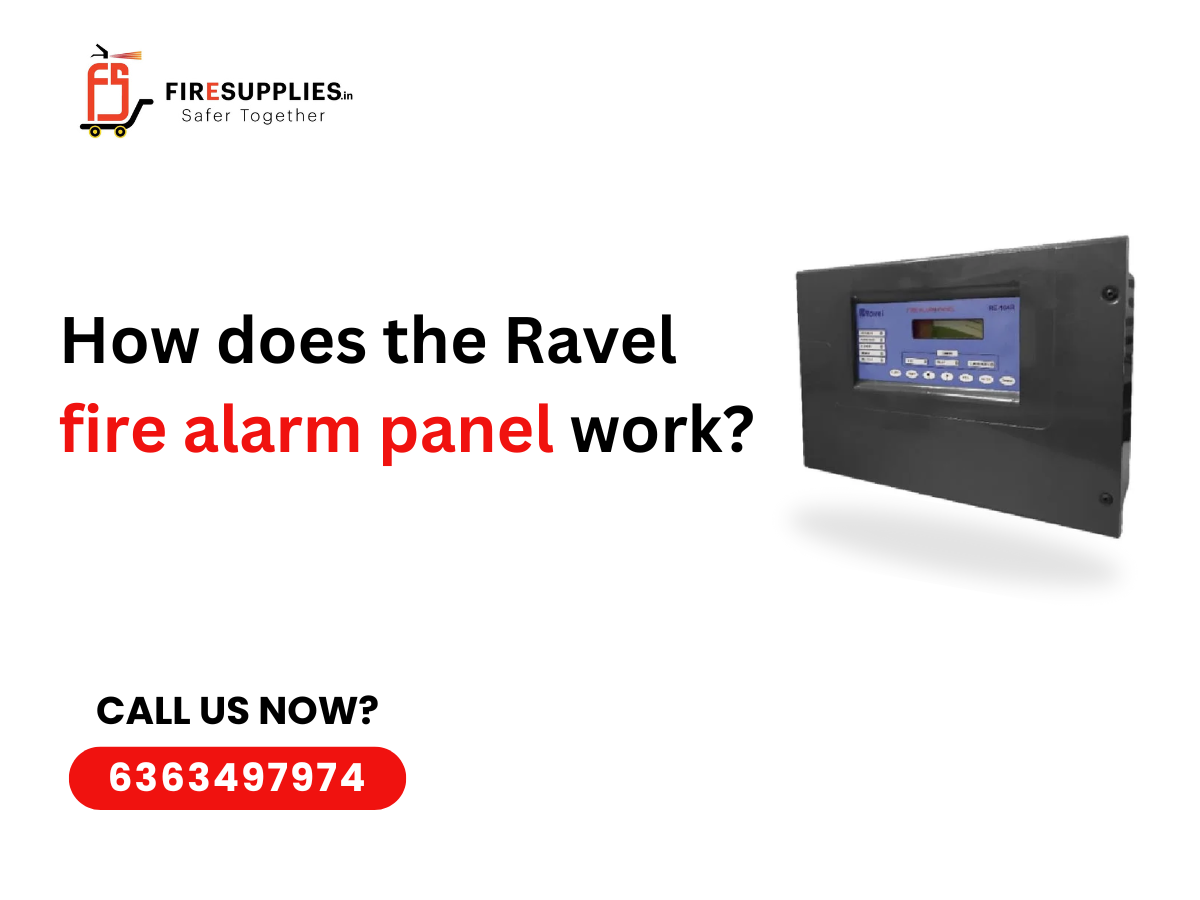
How Does the Ravel Fire Alarm Panel Work?

25
Aug
When you think of fire safety in small to medium-sized buildings, one of the most trusted devices is the Ravel fire alarm panel. But how exactly does the Ravel fire alarm panel work?
In simple terms, the panel acts as the brain of the fire alarm system. It receives signals from detectors, identifies the affected area, and triggers alarms to alert occupants. Without it, the detectors and sounders cannot communicate effectively, making evacuation slower and riskier.
This article will break down how the Ravel fire alarm panel work, its features, benefits, and practical applications. By the end, you’ll understand why Ravel panels are reliable, affordable, and suitable for many facilities.
Understanding How the Ravel Fire Alarm Panel Work
At its core, the Ravel fire alarm panel is a conventional fire alarm control panel. Unlike advanced addressable systems, it does not pinpoint the exact detector that triggered the alarm. Instead, it identifies the zone where the alarm was activated.
Here’s the step-by-step process of how the Ravel fire alarm panel work:
- Detection – Smoke, heat, or manual call points are triggered.
- Signal Transmission – A signal is sent to the fire alarm panel.
- Zone Indication – The panel highlights which zone has the alarm condition.
- Activation – Sounders, bells, or strobes are activated to warn occupants.
- Monitoring – The panel also monitors faults such as wiring issues, power failure, or device malfunctions.
This simple yet effective process ensures that the right people are alerted quickly, enabling evacuation and fire response.
Key Features That Show How the Ravel Fire Alarm Panel Work
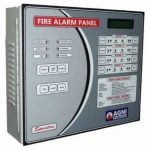
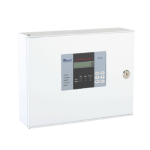
The Ravel RE-104R fire alarm panel, for example, is designed with user-friendly features that demonstrate how the system functions:
- Zone Control – Supports multiple zones (commonly 2, 4, 8, or 16).
- Visual Indicators – LED lights for fire, fault, and power.
- Sounder Outputs – Activates alarms across the building.
- Battery Backup – Keeps the system running during power cuts.
- Manual Functions – Includes reset, silence, and test options.
- Relay Outputs – Connects with external devices like sprinklers or elevators.
These features allow building managers to both monitor and control fire alarm responses effectively.
Applications of the Ravel Fire Alarm Panel
Understanding how the Ravel fire alarm panel work also means knowing where it is best applied.
It is particularly suited for:
- Schools and educational institutions.
- Shops and retail outlets.
- Small to mid-sized office buildings.
- Apartment complexes.
- Restaurants and cafes.
- Warehouses and workshops.
These environments benefit from zone-based detection without the cost of advanced addressable systems.
The Role of Zones in How the Ravel Fire Alarm Panel Work
A critical part of how the Ravel fire alarm panel works lies in zones.
- Each building section is divided into zones (e.g., ground floor, kitchen, storage).
- Detectors in each zone are connected to the control panel.
- When triggered, the panel indicates which zone has the fire.
While it doesn’t reveal the exact device, zone identification provides fast and practical information for fire wardens and emergency responders.
Installation and How the Ravel Fire Alarm Panel Work
For the panel to function properly, installation must follow best practices:
- Plan Zones – Divide the building logically.
- Mount the Panel – Place it near the main entrance or reception.
- Wire Devices – Connect detectors and call points to zones.
- Connect Sounders – Link alarms to output circuits.
- Test the System – Ensure all zones trigger correctly.
Correct installation ensures the Ravel fire alarm panel work seamlessly in an emergency.
Maintenance and Testing
Like any fire safety equipment, regular maintenance is vital to ensure the Ravel fire alarm panel work reliably.
- Weekly tests – Trigger one call point per week.
- Monthly checks – Inspect detectors, batteries, and indicators.
- Annual servicing – Hire a qualified fire safety technician for full inspection.
Routine checks guarantee that the system responds immediately when needed.
Limitations of How the Ravel Fire Alarm Panel Work
While effective, conventional panels have certain limitations:
- They do not identify the exact device triggered, only the zone.
- Larger buildings may find them less efficient.
- Requires more cabling compared to addressable systems.
For bigger or more complex facilities, an addressable fire alarm panel may be the better option.
The Role of Relays in How the Ravel Fire Alarm Panel Work
Relays are important in expanding how the Ravel fire alarm panel work.
A relay acts as a switch that connects the fire alarm system to external devices such as:
- Sprinkler systems
- Elevator controls
- HVAC shutdown
- Emergency lighting
When the panel is triggered, the relay ensures these additional systems activate, improving overall safety.
Compliance and Standards
Another part of how the Ravel fire alarm panel work involves compliance with fire safety laws. Panels like Ravel’s meet national and international standards, ensuring:
- Proper monitoring of circuits.
- Clear indication of alarms and faults.
- Power supply reliability.
Using certified panels ensures not just safety but also legal compliance for building owners.
Frequently Asked Questions
1. How to operate a fire panel?
Operating a fire panel involves:
- Checking the zone indicator when an alarm sounds.
- Using the silence button to stop sounders temporarily (only after evacuation).
- Using the reset button once the cause is confirmed and resolved.
- Regular testing and following manufacturer guidelines.
2. What is the difference between Type A and Type B fire alarm systems?
- Type A – Also known as addressable systems, they pinpoint the exact device triggered. Best for large and complex facilities.
- Type B – Conventional systems like the Ravel fire alarm panel, which identify zones rather than individual devices. Best for small to mid-sized buildings.
3. What does a relay do in a fire alarm system?
A relay acts as a switch that connects the fire alarm panel to other safety systems. For example, it can:
- Trigger sprinklers.
- Shut down HVAC to stop smoke spread.
- Control elevators.
- Activate emergency lighting.
This expands the safety response beyond alarms alone.
Final Thoughts
So, how does the Ravel fire alarm panel work? It works by receiving signals from detectors, identifying the fire zone, triggering alarms, and activating connected safety systems. Simple yet powerful, it ensures early warning and fast evacuation.
If you’re looking for a reliable solution, the Ravel RE-104R 4 Zone Conventional Fire Alarm Control Panel is an excellent choice. It’s affordable, easy to use, and built for long-lasting fire safety.
Protect your property today with a trusted Ravel fire alarm panel.

