
Your list is empty, add products to the list to send a request









Industries in Nigeria That Must Install Fire Alarm Control Panels

06
Feb
Fire incidents remain one of the biggest operational and safety risks for industries in Nigeria. From manufacturing plants to hospitals and commercial buildings, fire outbreaks can cause loss of life, destroy assets, and shut down businesses overnight. This is why Fire Alarm Control Panel in Nigeria play a critical role in modern fire safety planning.
If you manage or own a facility, you may be asking a simple but important question: Is my industry legally required to install a Fire Alarm Control Panel? The short answer is yes—for many industries, it is not optional. This guide explains exactly which industries in Nigeria must install Fire Alarm Control Panels, how these systems work, and what happens if you fail to comply.
What Are Fire Alarm Control Panels?
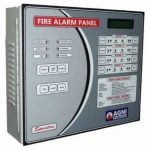
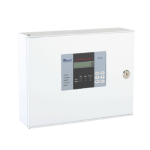
A Fire Alarm Control Panel is the central unit of a fire detection and alarm system. It receives signals from smoke detectors, heat detectors, and manual call points, then activates audible and visual alarms to warn occupants of a fire.
In practical terms, the control panel is the system’s command centre. It identifies where a fire has started, triggers alarms across the building, and can alert emergency response teams. Without a fire alarm control panel, individual detectors cannot function as a coordinated safety system.
For industries in Nigeria, Fire Alarm Control Panels are essential because they provide early warning, reduce evacuation time, and help limit damage before a fire spreads.
Technical Details of Fire Alarm Control Panels
Below is a simplified overview of key technical features commonly required in industrial and commercial environments.
| Feature | Description |
| High bandwidth | Supports fast communication between detectors and alarms |
| Multi-panel synchronisation | Allows multiple panels to work together in large facilities |
| Expandable loops | Enables system expansion as buildings grow |
| Addressable capability | Identifies the exact location of fire incidents |
| Backup power supply | Ensures operation during power outages |
| System diagnostics | Alerts users to faults and maintenance needs |
These features are particularly important in large or high-risk facilities, where fast detection and accurate location data can save lives.
Why Fire Alarm Control Panels Are Mandatory in Nigeria
Nigeria follows internationally recognised fire safety principles, enforced by state fire services, building authorities, and regulatory agencies. While specific requirements vary by state and building type, the core expectation is clear: high-risk and public buildings must have a functional fire detection and alarm system.
Fire Alarm Control Panels are mandatory because they:
- Provide early fire detection
- Enable fast evacuation
- Reduce injury and fatality risks
- Support compliance during inspections
- Protect assets and business continuity
Industries that ignore fire alarm requirements expose themselves to legal penalties, insurance issues, and operational shutdowns.
Industries in Nigeria That Must Install Fire Alarm Control Panels
Manufacturing and Industrial Facilities
Factories, processing plants, and workshops are among the highest fire-risk environments. Flammable materials, heavy machinery, and electrical systems significantly increase fire hazards.
Fire Alarm Control Panels are mandatory in:
- Manufacturing plants
- Food processing facilities
- Chemical and pharmaceutical factories
- Textile and packaging industries
These systems help detect fires early and pinpoint the affected production area.
Oil and Gas Facilities
Oil refineries, gas processing plants, and fuel storage depots operate in extremely hazardous conditions. Even a minor fire can escalate rapidly.
Fire alarm control panels are essential for:
- Refineries
- Gas plants
- Fuel depots
- Offshore and onshore facilities
In this sector, addressable fire alarm control panels are preferred due to their accuracy and integration capability.
Commercial Buildings and Office Complexes
Large office buildings host hundreds of occupants daily. A delayed alarm can cause panic, injuries, or fatalities.
Fire alarm control panels are required in:
- Office towers
- Shopping malls
- Banks and financial institutions
- Business centres
These buildings rely on centralised panels to manage alarms across multiple floors.
Healthcare Facilities
Hospitals, clinics, and laboratories must maintain the highest safety standards. Patients may be immobile or dependent on medical equipment.
Mandatory installations include:
- Hospitals
- Diagnostic centres
- Laboratories
- Care homes
Fire alarm control panels enable zoned alerts and controlled evacuations.
Educational Institutions
Schools and universities house large populations of students and staff.
Fire alarm systems are required in:
- Universities
- Secondary and primary schools
- Boarding schools
- Training centres
Early warning systems help ensure orderly evacuation and reduce panic.
Warehouses and Logistics Centres
Warehouses often store combustible goods, packaging materials, and chemicals.
Fire alarm control panels are essential for:
- Storage facilities
- Distribution centres
- Cold rooms
- Logistics hubs
They reduce fire spread and protect inventory.
Hospitality and Public Assembly Buildings
Hotels, event centres, and places of worship host the public and must meet strict safety requirements.
These include:
- Hotels and resorts
- Cinemas and theatres
- Event halls
- Conference centres
Central fire alarm control panels ensure alarms are audible throughout the building.
Applications of Fire Alarm Control Panels
Fire Alarm Control Panels are used to:
- Detect fires early
- Trigger alarms automatically
- Identify exact fire locations
- Integrate with sprinklers and suppression systems
- Support evacuation procedures
They are particularly valuable in large, multi-storey, or high-occupancy buildings.
Advantages and Limitations of Fire Alarm Control Panels
Advantages
- Early fire detection
- Faster emergency response
- Improved occupant safety
- Regulatory compliance
- Reduced asset damage
Limitations
- Initial installation cost
- Requires regular maintenance
- Needs trained personnel for operation
Despite these limitations, the benefits far outweigh the risks of non-installation.
Short Buying Guide for Nigerian Industries
When choosing a Fire Alarm Control Panel, consider:
- Size and layout of your facility
- Level of fire risk
- Addressable vs conventional systems
- Expandability
- Compliance with recognised standards
For advanced facilities, addressable panels such as the Addressable Fire Detection and Control Basic Panel 4100ES are widely used due to their scalability and precision.
Reference product page: Fire Alarm Control Panel
Certifications
Fire alarm control panels used in Nigeria typically align with:
- International fire safety standards
- Manufacturer certifications
- Local fire service guidelines
Compliance ensures smoother inspections and insurance approvals.
Authoritative references for best practices include:
- National Fire Protection Association (NFPA)
- International Organization for Standardization (ISO)
- Local state fire service authorities
Frequently Asked Questions (FAQs)
1: Is it mandatory for industries in Nigeria to install Fire Alarm Control Panels?
Yes. Many industries are legally required to install fire alarm control panels, especially those with high fire risk or public occupancy. Enforcement is handled by state fire services and building authorities.
2: Which types of buildings require Fire Alarm Control Panels in Nigeria?
Factories, hospitals, schools, hotels, warehouses, office complexes, and oil and gas facilities are commonly required to install fire alarm control panels.
3: What happens if an industry in Nigeria does not install a Fire Alarm Control Panel?
Non-compliance can lead to fines, failed inspections, insurance denial, forced closure, or liability in the event of a fire incident.
4: Are addressable fire alarm control panels better than conventional ones?
Addressable systems provide precise fire location details and are better suited for large or complex buildings.
5: How often should fire alarm control panels be maintained?
They should be inspected and tested regularly, typically quarterly or as required by local authorities.
6: Can fire extinguishers replace fire alarm control panels?
No. Fire extinguishers control small fires, but they do not provide early warning or evacuation alerts.
7: Do small facilities need fire alarm control panels?
It depends on building use, size, and risk level. Many small facilities still require them under safety regulations.
8: Can fire alarm control panels integrate with other safety systems?
Yes. Modern panels integrate with sprinklers, smoke control systems, and emergency lighting.
Fire Alarm Control Panels are mandatory in many Nigerian industries, including factories, hospitals, offices, warehouses, and oil and gas facilities. They detect fires early, trigger alarms, support evacuation, and help businesses comply with safety regulations while protecting lives and property.
Protect your people, property, and business reputation by installing the right Fire Alarm Control Panels for your facility.
Speak with a fire safety expert today to assess your building, ensure compliance, and choose a reliable fire alarm control panel system designed for Nigerian industries.

