
Your list is empty, add products to the list to send a request










How Fire Hose Pipes Work in Fire Hydrant Systems

17
Mar
Fire safety systems are essential in protecting lives and property during emergencies. This Complete Guide to Fire Hose Pipe explains how fire hose pipes work in fire hydrant systems, their importance, types, and applications. A Fire Hose Pipe is a flexible tube designed to carry water or fire retardant from a hydrant system to extinguish fire efficiently. It is a critical part of fire safety systems used in buildings, industries, and public spaces.
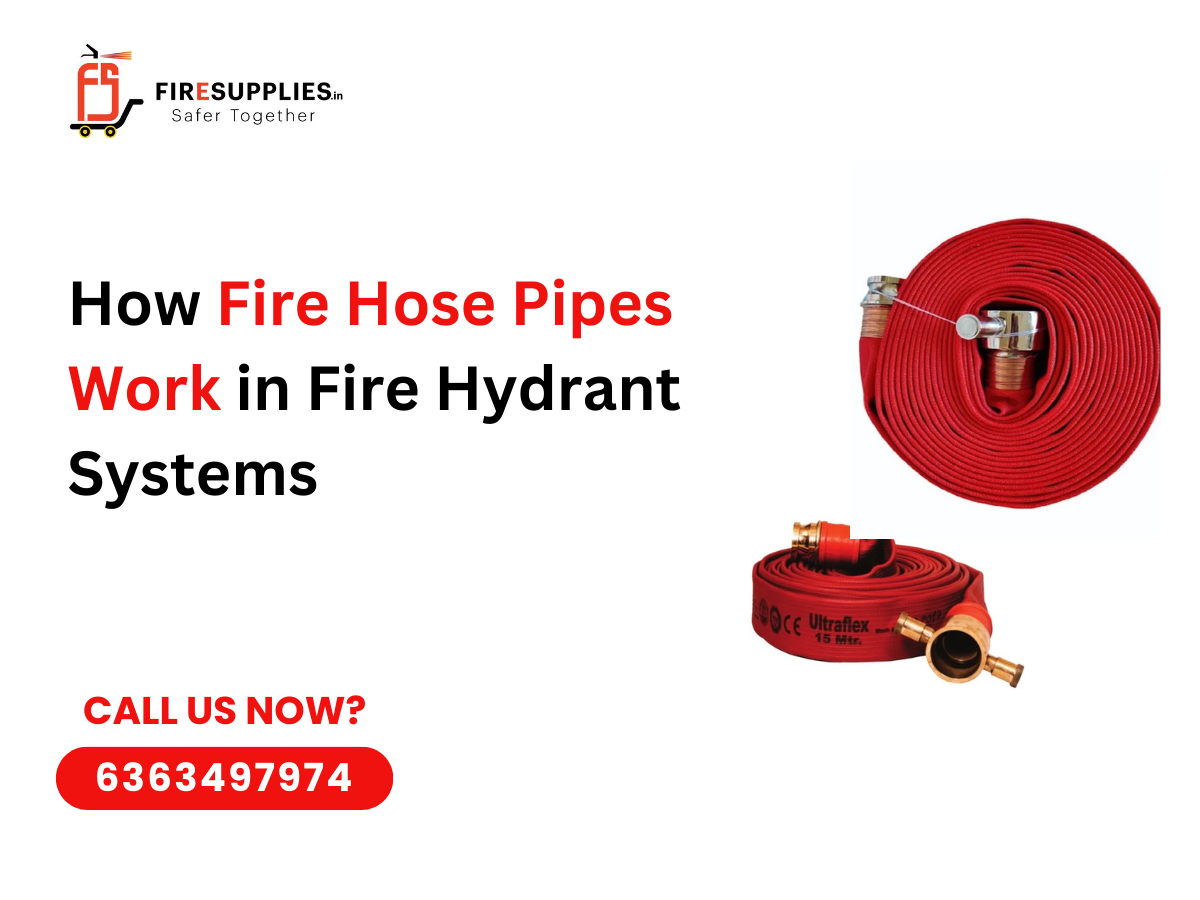
A fire hose pipe is a flexible tube used in fire hydrant systems to carry water under pressure to extinguish fires. It connects to hydrant valves and nozzles, allowing controlled water flow. Fire hose pipes are essential fire safety equipment used in buildings, industries, and emergency response systems.
What is a Fire Hose Pipe?
A Fire Hose Pipe is a high-pressure hose used in fire hydrant systems to deliver water from a water source to the fire. It connects hydrant valves to nozzles, allowing controlled water discharge to suppress flames quickly and effectively.
How Fire Hose Pipes Work in Fire Hydrant Systems
Understanding how Fire Hose Pipes Work in Fire Hydrant Systems helps users respond quickly in emergencies.
A fire hydrant system consists of:
- Water storage tank
- Pump system
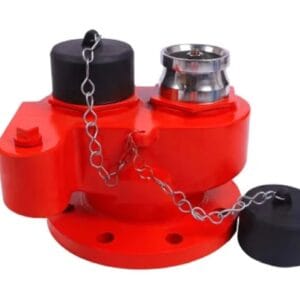
- Hydrant valves
- Fire fighting hose pipe
- Nozzles
Working Process:
- Water Supply Activation
Water is supplied through a pressurized system using fire pumps. - Connection of Hose Pipe
The Fire Fighting Hose Pipe is connected to the hydrant valve. - Water Flow Control
When the valve opens, water flows through the hose pipe. - Directed Fire Suppression
The nozzle controls pressure and direction to extinguish fire effectively.
This system ensures rapid response and controlled fire suppression in critical situations.
Technical Details of Fire Hose Pipe
| Feature | Description |
| Material | Rubber-lined, PVC, synthetic fiber |
| Pressure Capacity | High-pressure resistant |
| Standard Length | 15m / 30m |
| Diameter | 38mm / 63mm |
| Coupling Type | Stainless steel / Aluminum |
| Flexibility | High for easy handling |
| Temperature Resistance | Suitable for extreme heat |
| Expandable Loops | Allows easy storage and deployment |
| Multi-panel Sync | Compatible with hydrant systems |
Types of Fire Hose Pipe Available
Choosing the right type of Industrial Fire Hose Pipe is important for effective fire safety solutions.
1. Rubber Lined Fire Hose Pipe (RRL Hose)
- Durable and flexible
- Resistant to abrasion
- Common in industrial fire safety equipment
Example:
Swastik RRL Fire Hose (63mm x 15m) 2. PVC Fire Hose Pipe
- Lightweight and cost-effective
- Easy to handle
- Suitable for commercial buildings
Canvas Fire Hose Pipe
- Traditional design
- Less durable compared to modern hoses
- Used in low-risk environments
Fire Hose Reel Pipe
- Semi-rigid hose
- Installed on reels for quick use
- Ideal for trained staff
Explore here:
https://www.firesupplies.in/product-category/fire-hose-reel/
Industrial Fire Hose Pipe
- Heavy-duty construction
- Used in factories and warehouses
- High-pressure resistance
Applications of Fire Hose Pipes
Fire hose pipes are widely used across different environments:
Residential Buildings
- Used in apartment complexes
- Supports fire hydrant systems
Commercial Spaces
- Offices, malls, hotels
- Quick response fire prevention equipment
Industrial Facilities
- Factories and warehouses
- Essential industrial fire safety equipment
Public Infrastructure
- Airports, railway stations
- Large-scale fire safety systems
Fire Brigades
- Primary tool for firefighters
- High-pressure fire fighting hose pipe
Advantages of Fire Hose Pipes
Efficient Fire Suppression
Delivers water quickly to control fire.
High Durability
Modern hoses resist wear and tear.
Flexibility
Easy to deploy in emergency situations.
Compatibility
Works with multiple fire safety systems.
Cost-Effective
Long-lasting and reliable fire prevention equipment.
Limitations of Fire Hose Pipes
While highly effective, they have some limitations:
- Require proper training for use
- Depend on water availability
- Need regular maintenance
- Can be heavy for untrained users
Choosing the Right Fire Hose Pipe
Selecting the right Fire Hose Pipe Supplier is crucial for safety and performance.
Key Factors to Consider:
- Material Quality
Choose rubber-lined or PVC hoses for durability - Pressure Rating
Ensure compatibility with hydrant systems - Length & Diameter
Match system requirements - Certification
Look for ISI or international standards - Coupling Type
Stainless steel couplings are preferred - Application Area
Industrial vs residential use
Why Choose Fire Supplies?
If you are searching for the Best fire extinguisher supplier, Fire Supplies offers:
- High-quality fire hose pipes
- Reliable fire safety solutions
- Wide range of industrial fire safety equipment
- Certified fire prevention equipment
Explore product:
https://www.firesupplies.in/product/swastik-rrl-fire-hose-with-extra-rubber-coating-length-of-63mm-x-15-mtr-dia-type-2-with-s-s-coupling-gi-binding/
Standards & Certifications for Fire Hose Pipes
Fire hose pipes must meet safety standards to ensure reliability:
- IS 636 (Indian Standard for fire hoses)
- ISO Certifications
- UL Listed Products
- BIS Certification
These certifications ensure high performance and safety compliance.
A fire hose pipe is a flexible tube used in fire hydrant systems to carry water under pressure to extinguish fires. It connects to hydrant valves and nozzles, allowing controlled water flow. Fire hose pipes are essential fire safety equipment used in buildings, industries, and emergency response systems.
Questions About Fire Hose Pipes
1: What role does a fire hose pipe play in a fire hydrant system?
A Fire Hose Pipe acts as the delivery channel that carries pressurized water from the hydrant system to the fire. It enables firefighters or trained personnel to control and direct water flow to extinguish flames efficiently.
2: How is a fire hose pipe connected to a fire hydrant?
A fire hose pipe is connected using couplings that attach securely to the hydrant valve. Once connected, the valve is opened, allowing water to flow through the hose and out through the nozzle for fire suppression.
3: Can fire hose pipes be used by trained staff in buildings?
Yes, trained staff can use fire hose pipes in buildings. Fire hose reels are specifically designed for easy operation, allowing occupants to respond quickly to small fires before professional firefighters arrive.
Conclusion
Understanding how Fire Hose Pipes Work in Fire Hydrant Systems is essential for ensuring effective fire safety. These pipes play a critical role in delivering water quickly and efficiently during emergencies. Choosing the right Fire Fighting Hose Pipe and maintaining it properly can significantly improve fire response and safety outcomes
Looking for reliable fire safety systems and high-quality Fire Hose Pipe products?
Trust Fire Supplies the Best fire extinguisher supplier for:
- Fire prevention equipment
- Industrial fire safety equipment
- Advanced fire safety solutions
Explore our range today and protect your property with trusted fire safety systems.
Contact us now to get expert guidance and the best deals on fire hose pipes!

