
Your list is empty, add products to the list to send a request










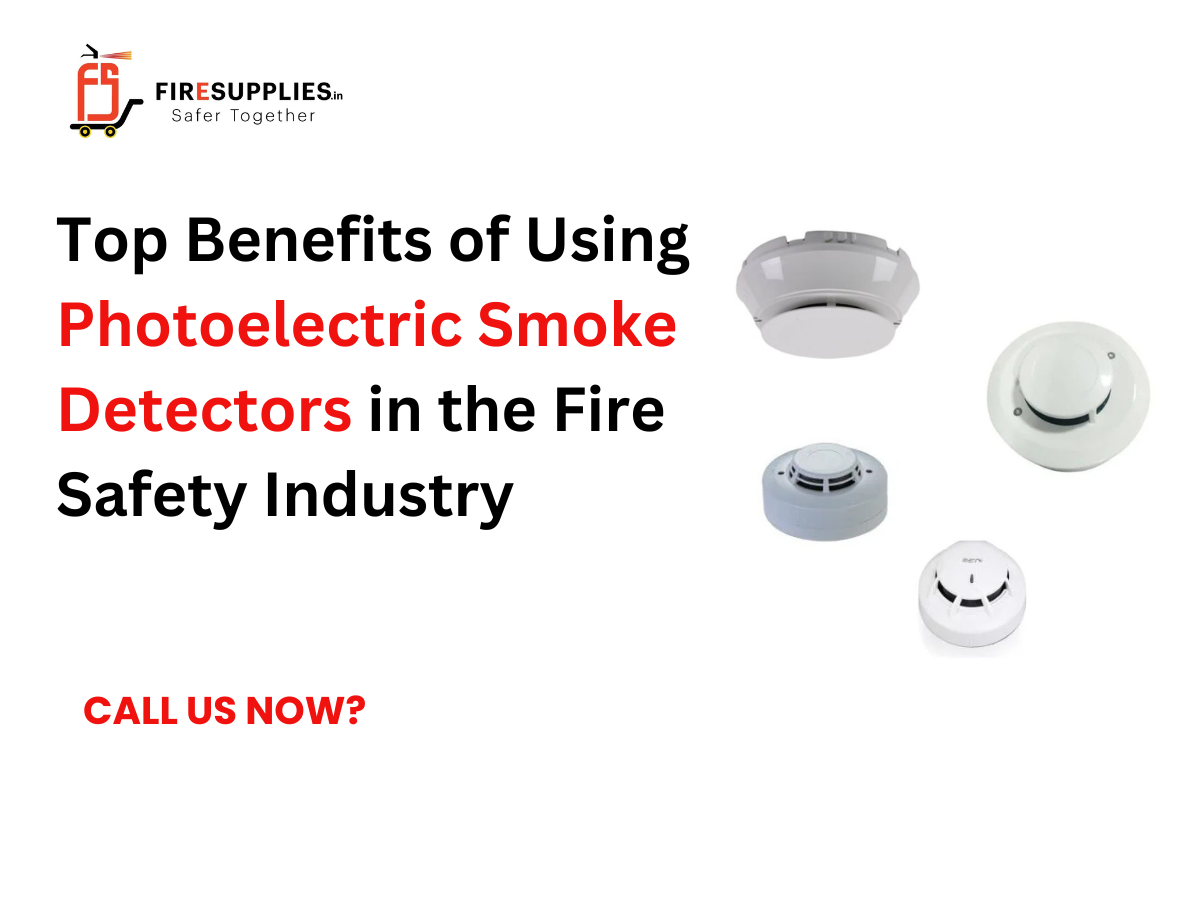
Top Benefits of Using Photoelectric Smoke Detectors in the Fire Safety Industry

24
Apr
When it comes to protecting lives and property, choosing the right fire safety products makes all the difference. The benefits of using photoelectric smoke detectors in the fire safety industry are well-documented from superior slow-smouldering fire detection to reduced false alarms. Whether you are a facility manager, a fire safety equipment supplier, or a building owner, understanding why photoelectric technology leads the market is essential for making informed purchasing decisions.
What Are Photoelectric Smoke Detectors?
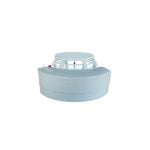
A photoelectric smoke detector is a type of fire alarm system device that uses a light beam and a light-sensitive sensor inside a detection chamber to identify smoke particles. When smoke enters the chamber, it scatters the light beam, triggering the sensor and sounding the alarm. Unlike ionization detectors, photoelectric models are specifically optimised to detect slow-burning, smouldering fires the type most commonly responsible for fatalities in residential and commercial buildings. These devices are a critical category within fire protection equipment and are widely used across industrial fire safety solutions worldwide.
Technical Specifications of Photoelectric Smoke Detectors
| Feature | Photoelectric Detector | Ionization Detector |
|---|---|---|
| Detection Method | Light-scattering (Tyndall effect) | Radioactive ionization chamber |
| Best For | Smouldering, slow-burning fires | Fast-flaming fires |
| False Alarm Rate | Low (cooking, steam less likely to trigger) | Higher (prone to nuisance alarms) |
| Response Time to Smouldering Fires | Fast (early warning) | Slower |
| Multi-Sensor Compatibility | Yes (can combine with heat sensors) | Yes |
| Panel Synchronisation | Supports high-bandwidth, multi-panel sync | Supported |
| Expandable Loop Capability | Yes — expandable addressable loops | Limited in some models |
| Radioactive Material | None | Contains Americium-241 |
| Regulatory Compliance | NFPA 72, UL 217, EN 54-7 | NFPA 72, UL 217 |
| Ideal Use Environments | Bedrooms, offices, hallways, hotels | Open industrial areas |
This table illustrates why fire safety equipment suppliers increasingly recommend photoelectric units as the default choice in modern fire fighting system products specifications.
Key Use Cases and Applications in Fire Safety
The benefits of using photoelectric smoke detectors in the fire safety industry extend across a wide range of environments. Their versatility makes them a first-choice option for many installation professionals and fire protection equipment distributors.
Residential Buildings Photoelectric detectors are ideal for bedrooms and living areas where smouldering fires from upholstered furniture, bedding, or electrical wiring are most common. Studies show the majority of home fire fatalities occur at night when smouldering fires go undetected by slower-responding ionization models.
Commercial and Office Spaces In offices, hotels, and retail environments, photoelectric sensors provide consistent, reliable detection without constant false alarms from coffee machines, toasters, or HVAC dust a problem common with ionization-type fire alarm systems.
Healthcare and Hospitality Hospitals, care homes, and hotels require zero tolerance for false alarms that cause unnecessary evacuations. Photoelectric technology dramatically reduces nuisance alerts, protecting vulnerable populations and maintaining operational continuity.
Industrial Fire Safety Solutions In warehouses, manufacturing plants, and data centres, photoelectric detectors integrated into addressable fire fighting system products offer scalable, loop-based coverage across large areas. Their multi-panel synchronisation capability makes them ideal for complex industrial layouts.
Educational Institutions Schools and universities benefit from the low false-alarm rate of photoelectric units, which avoids the disruption and safety risk of unnecessary evacuations during the school day.
Top Benefits of Using Photoelectric Smoke Detectors in the Fire Safety Industry
1. Superior Early Detection of Smouldering Fires
The single most important benefit of photoelectric smoke detectors is their ability to detect slow, smouldering fires early — often 15 to 50 minutes before flames break out. Smouldering fires produce large smoke particles that scatter light effectively, triggering the detector’s sensor rapidly. This early warning gives occupants and emergency services valuable response time.
2. Significantly Reduced False Alarm Rates
False alarms are a major operational challenge for fire safety equipment suppliers, building managers, and emergency responders. Photoelectric detectors are far less sensitive to steam, cooking vapours, and minor airborne dust than ionization models. This means fewer unnecessary evacuations, reduced alarm fatigue, and lower liability for building owners.
3. No Radioactive Materials
Unlike ionization detectors, photoelectric units contain no radioactive substances. This makes them:
- Safer to handle during installation and maintenance
- Easier to dispose of in compliance with environmental regulations
- More attractive to organisations with green building or ESG commitments
- Preferred by many fire safety equipment suppliers in environmentally conscious markets
4. Better Performance in Sleeping Areas
Research by the National Fire Protection Association (NFPA) and the U.S. Fire Administration consistently recommends photoelectric detectors for sleeping areas specifically. The risk of a smouldering fire starting while occupants sleep — and the danger of smoke inhalation before flames develop — makes fast photoelectric detection a life-saving advantage.
5. Compatibility with Advanced Fire Alarm Systems
Modern photoelectric detectors integrate seamlessly with addressable fire alarm system panels, multi-zone controllers, and building management systems (BMS). Their support for expandable loops means they can scale from a single room to an entire campus without replacing the core detection technology. This flexibility is a major selling point for fire fighting products installers and system integrators.
6. Compliance with International Fire Safety Standards
Photoelectric smoke detectors are recognised and specified in major international standards including:
- NFPA 72 (National Fire Alarm and Signalling Code)
- UL 217 (Standard for Single and Multiple Station Smoke Alarms)
- EN 54-7 (European Standard for Point-type Smoke Detectors)
- BS 5839 (UK Fire Detection and Fire Alarm Systems)
Compliance with these standards is essential for building certification, insurance purposes, and legal liability — making photoelectric technology the responsible default for any professional fire protection equipment installation.
7. Long-Term Cost Efficiency
While photoelectric detectors may carry a marginally higher upfront cost than basic ionization units, their long-term value is clear. Reduced false alarm call-outs, lower maintenance requirements, and longer product lifespans make them a more cost-effective choice over a 5–10 year operational cycle. For industrial fire safety solutions at scale, this cost difference becomes even more significant.
8. Enhanced Occupant Trust and Safety Culture
Consistent, reliable detection without frequent false alarms builds occupant trust in the fire alarm system. When people stop ignoring alarms because they assume it is “just another false alert,” the safety culture of an organisation improves meaningfully. This psychological benefit is underappreciated but critically important in high-occupancy buildings.
Advantages and Limitations at a Glance
Advantages:
- Early smouldering fire detection
- Low false alarm rate
- No radioactive materials
- Compatible with modern addressable fire alarm systems
- Meets global fire safety standards
- Ideal for sleeping and occupied areas
Limitations:
- Slightly less effective for fast-flaming fires (where ionization excels)
- Higher purchase cost than basic ionization models
- May require professional installation in addressable loop configurations
- Performance can degrade if detection chamber becomes dusty (requires regular maintenance)
For most residential, commercial, and institutional environments, the advantages far outweigh these limitations. In applications where both smouldering and flaming fire risks are high, dual-sensor detectors combining photoelectric and heat detection offer the best of both technologies.
Top Photoelectric Smoke Detector Products from Leading Fire Safety Brands
When it comes to sourcing reliable fire safety products, brand quality and certification matter. Below are our featured photoelectric smoke detectors from trusted manufacturers — ideal for a range of commercial and industrial fire protection equipment requirements.
| Brand | Product Name |
| Simplex | 4098-9714 TrueAlarm Photoelectric Smoke Detector |
| Simplex | 4098-9714 with 4098-9793 Isolator Sensor Base
|
| Notifier | FSP-951T Photoelectric Smoke Detector |
| Notifier | FSP-951 Addressable Photoelectric Smoke Detector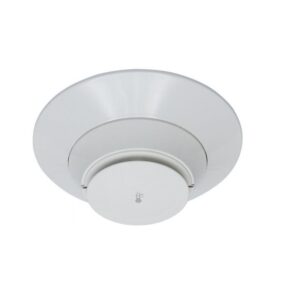 |
| Honeywell | HM-PTSE-AP + B5-1 Photoelectric Smoke / Thermal Multi-Criteria Fire Detector |
| Honeywell | HM-PSE-S2 Photoelectric Smoke Detector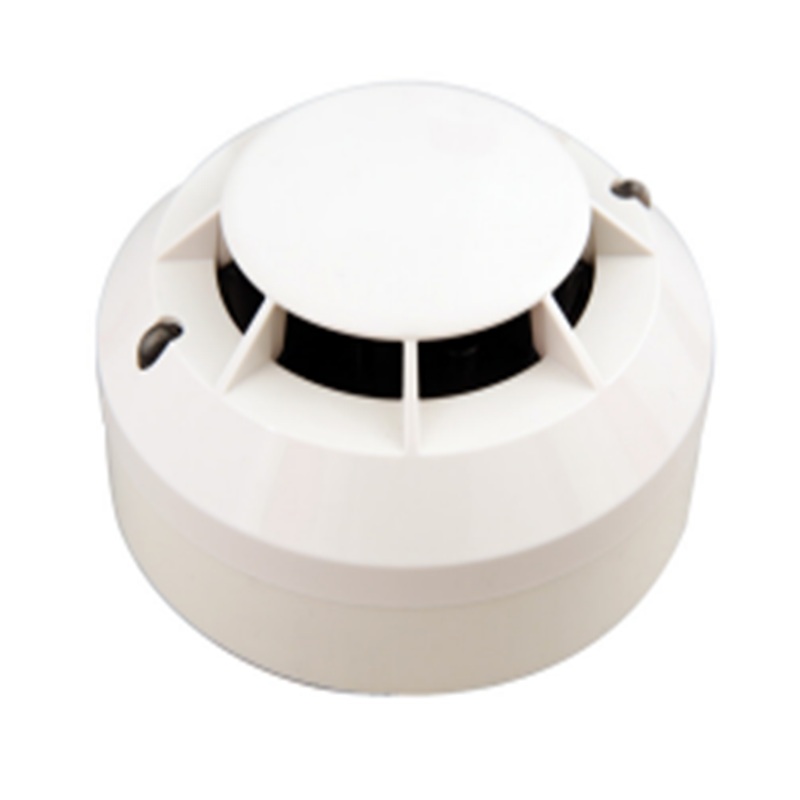 |
| GST | DI-9102E Intelligent Photoelectric Smoke Detector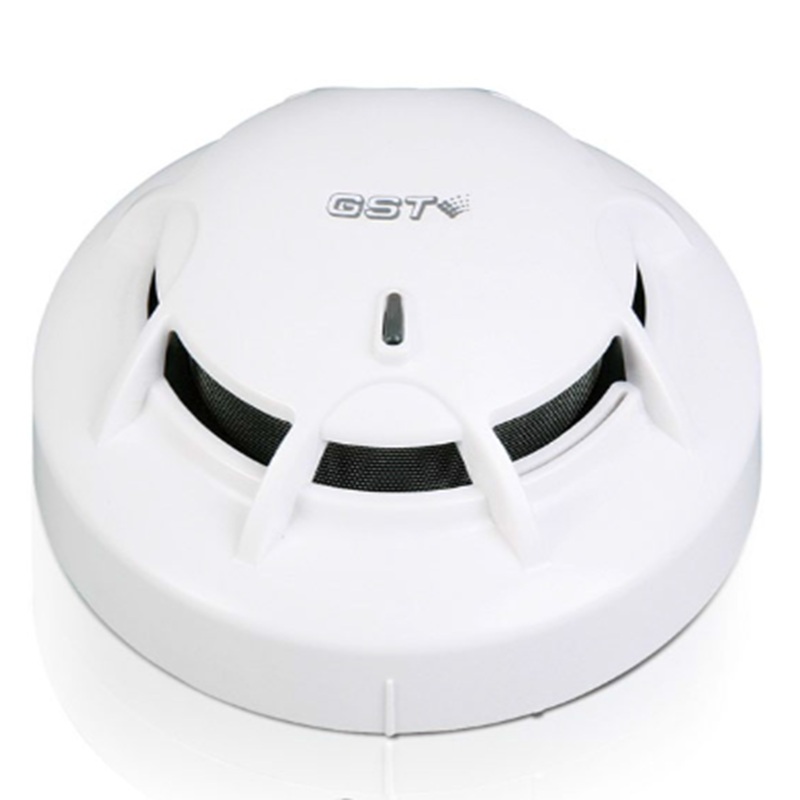 |
| ASES | AS-701-SD Photoelectric Smoke Detector With Base |
| Ravel | RE 316S-2L Conventional Photoelectric Smoke Detector With Base (MOQ: 3 Pcs)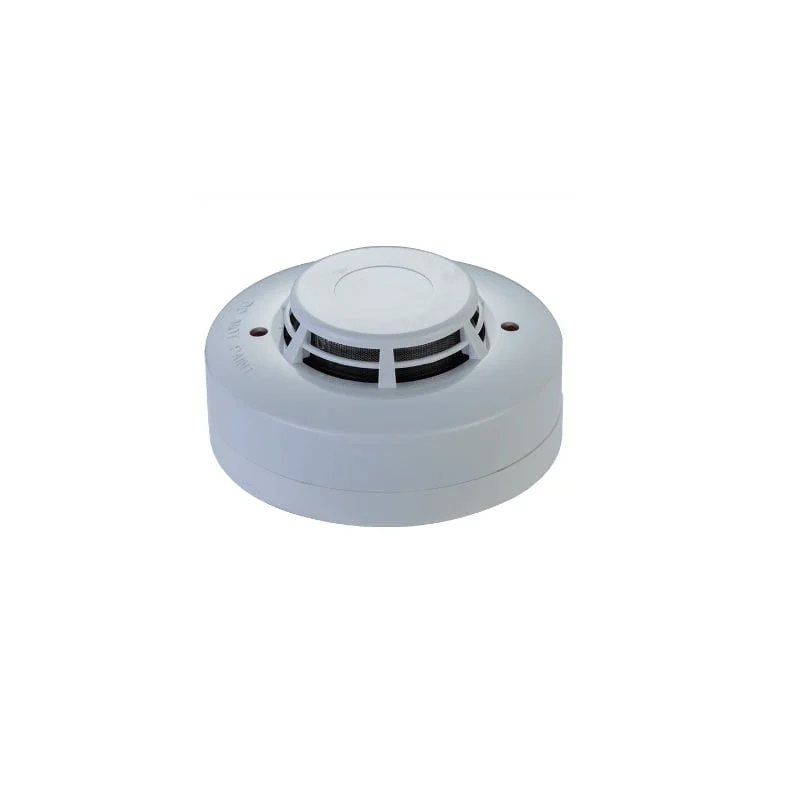 |
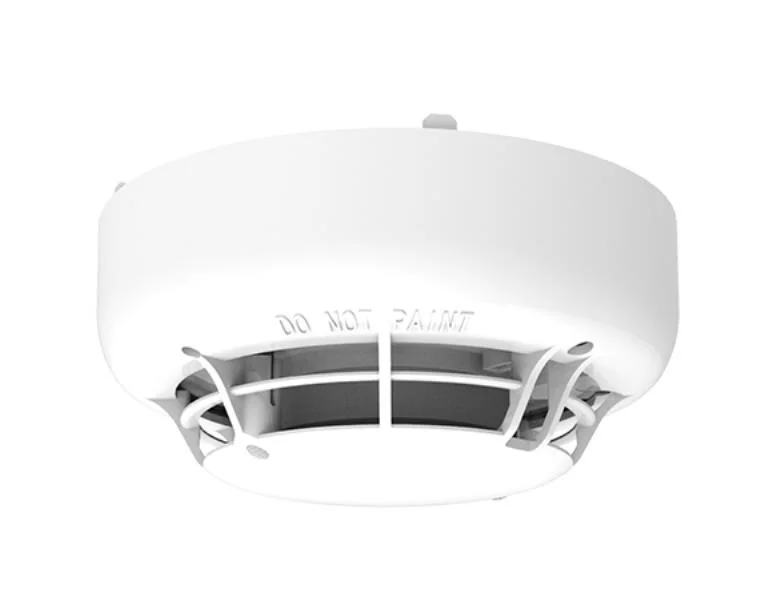
| HFP | ALN-E(HFP) Photoelectric Smoke Sensor — White Case
|
How to Choose the Right Photoelectric Smoke Detector
When selecting photoelectric smoke detectors for your project or facility, consider these key factors:
1. Standalone vs. Addressable For small buildings, standalone battery-operated units may suffice. For commercial or industrial settings, choose addressable photoelectric detectors that integrate with your existing fire alarm system panel.
2. Combination Sensors Look for multi-criteria detectors that combine photoelectric smoke sensing with heat detection for environments with both smouldering and flaming fire risk profiles.
3. Certification and Compliance Always verify that the product carries the relevant certifications for your region — UL 217, EN 54-7, or BS 5839 to ensure compliance with local fire safety regulations.
4. Maintenance Requirements Choose models with accessible testing features and clear manufacturer guidance on cleaning intervals. The detection chamber must remain free of dust and insects to function correctly.
5. Supplier Reputation Source products from a certified fire safety equipment supplier with a proven track record in providing quality fire fighting products and after-sales support.
For further guidance, refer to:
- NFPA (nfpa.org) The National Fire Protection Association provides detailed codes and standards for smoke detector selection and placement.
- U.S. Fire Administration (usfa.fema.gov) Offers research-backed guidance on smoke alarm technology and best practices.
- BSI Group (bsigroup.com) The British Standards Institution publishes EN and BS standards governing fire detection equipment in the UK and Europe.
Standards and Certifications for Photoelectric Smoke Detectors
Compliance and certification are non-negotiable in the fire safety industry. Photoelectric detectors must meet rigorous testing criteria before being approved for use in buildings. Key standards include:
| Standard | Region | Scope |
|---|---|---|
| NFPA 72 | USA | National Fire Alarm and Signalling Code |
| UL 217 | USA/Global | Smoke Alarm Performance Standard |
| EN 54-7 | Europe | Fire Detection — Smoke Detectors |
| BS 5839 | UK | Fire Detection and Alarm Systems |
| ISO 7240 | International | Fire Detection and Alarm Systems |
| AS 3786 | Australia | Smoke Alarms |
Always confirm the certifications applicable in your country or region with your fire safety equipment supplier before specifying or purchasing fire protection equipment.
FAQs About Benefits of Using Photoelectric Smoke Detectors in the Fire Safety Industry
Q1: What are the main benefits of photoelectric smoke detectors?
The primary benefits of photoelectric smoke detectors include early detection of slow-smouldering fires, a significantly lower false alarm rate compared to ionization models, the absence of radioactive materials, and seamless compatibility with modern addressable fire alarm systems. They are widely recommended by fire safety authorities for use in bedrooms, offices, healthcare facilities, and commercial buildings as part of a comprehensive fire protection equipment strategy.
Q2: Why does the fire safety industry prefer photoelectric smoke detectors?
The fire safety industry prefers photoelectric smoke detectors because they align with the most common real-world fire scenarios particularly slow-burning fires that produce large smoke particles before flames ignite. Their low false alarm rate improves occupant response behaviour, their compatibility with advanced fire alarm systems supports scalable deployment, and their compliance with international standards such as NFPA 72 and EN 54-7 makes them the professional default for fire safety equipment suppliers and installers worldwide.
Q3: Are photoelectric smoke detectors better than ionization detectors?
For most environments especially residential, commercial, and healthcare settings photoelectric smoke detectors are considered superior. They detect smouldering fires faster, trigger fewer false alarms, and contain no radioactive materials. Ionization detectors respond more quickly to fast-flaming fires, but smouldering fires cause the majority of smoke inhalation fatalities. For maximum protection, many fire safety products experts recommend dual-sensor or combination detectors, particularly in industrial or mixed-risk environments.
Upgrade Your Fire Safety with the Right Detection Technology
The benefits of using photoelectric smoke detectors in the fire safety industry are clear: superior early detection, fewer false alarms, regulatory compliance, and long-term cost savings. Whether you are specifying fire safety products for a residential development, upgrading an ageing fire alarm system, or sourcing fire protection equipment for an industrial facility, making the switch to photoelectric technology is a decision backed by evidence, endorsed by global standards, and trusted by professionals worldwide.
Ready to enhance your fire safety strategy?
Contact Firesupplies our expert team today to discuss your requirements, receive product recommendations, and access our full range of certified fire fighting products and industrial fire safety solutions. As a trusted fire safety equipment supplier, we are here to help you protect what matters most.
Don’t wait for a fire event to review your detection systems act today and stay protected.


