
Your list is empty, add products to the list to send a request









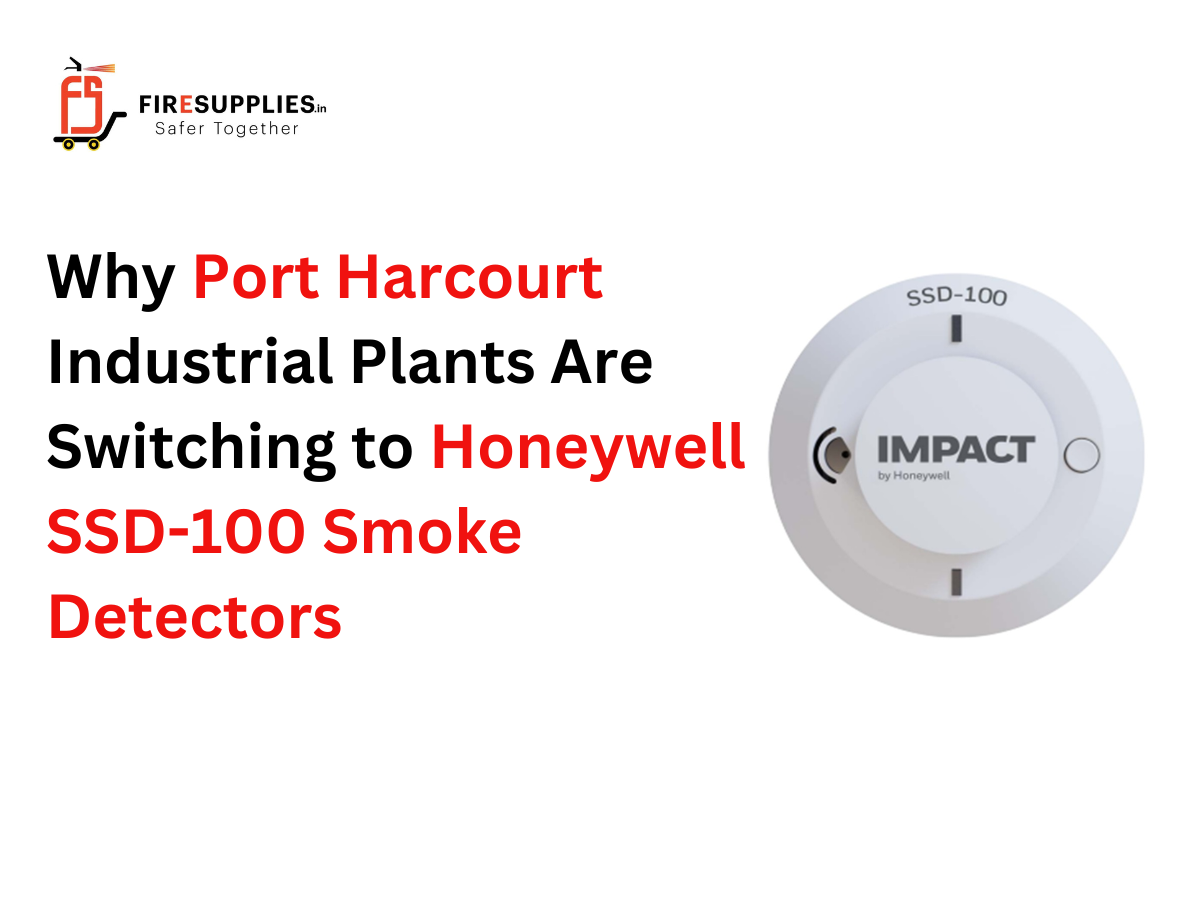
Why Port Harcourt Industrial Plants Are Switching to Honeywell SSD-100 Smoke Detectors

02
Jul
Fire safety is no longer an afterthought for industrial operators in Nigeria’s oil and gas capital. Across manufacturing plants, refineries, warehouses, and logistics hubs, facility managers are re-evaluating their fire detection infrastructure, and one name keeps coming up: Honeywell SSD-100 smoke detectors. This shift is not a coincidence. It reflects a growing awareness that
Honeywell SSD-100 smoke detectors are becoming the preferred choice for Port Harcourt industrial plants because they combine fast, reliable early fire detection with durability suited to harsh industrial environments, easy integration with existing fire alarm control panels, and lower long-term maintenance demands. The sections below break down exactly why this shift is happening, how the technology works, and what plant managers should know before upgrading.
What Is the Honeywell SSD-100 Smoke Detector?

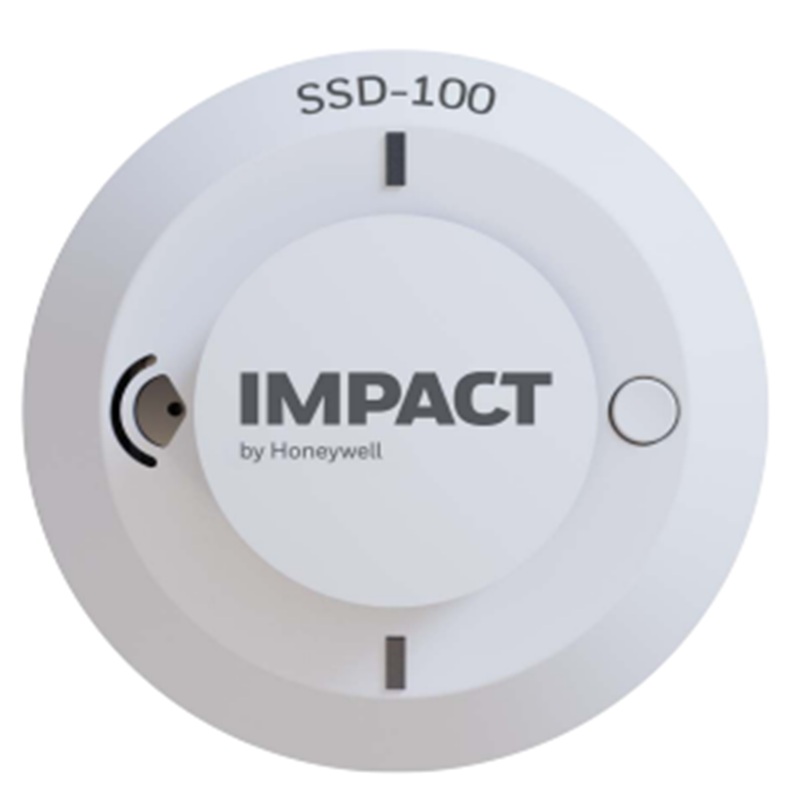
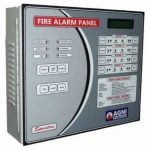
The Honeywell SSD-100 is a smoke detection device built to identify the earliest signs of a fire typically smoke particles before flames spread and cause significant damage. It communicates directly with a facility’s fire alarm control panel, triggering an alarm that alerts personnel and, where applicable, emergency response teams. For industrial plants in Port Harcourt, where operations often run around the clock and downtime is costly, this early warning capability is a critical safety layer rather than a nice-to-have feature.
Unlike basic residential smoke alarms, the SSD-100 is engineered for the demands of commercial and industrial fire alarm systems. It is designed to work as part of a coordinated fire safety network, alongside heat detectors, manual call points, and alarm sounders, rather than as a standalone device.
Technical Overview of the Honeywell SSD-100
Understanding the core specifications helps facility managers evaluate whether the SSD-100 fits their existing fire alarm system architecture. Below is a general technical summary relevant to industrial deployment planning.
| Feature | Detail |
| Detection Type | Smoke particle detection for early-stage fire identification |
| System Compatibility | Designed to integrate with compatible fire alarm control panels |
| Communication | High-bandwidth signal transmission for fast alarm response |
| Panel Synchronization | Supports multi-panel sync across larger facility layouts |
| Loop Configuration | Compatible with expandable loop wiring for scalable installations |
| Application Setting | Suited to commercial and industrial environments |
| Maintenance Profile | Designed for routine testing with simplified diagnostics |
| Integration Scope | Works alongside heat detectors, manual call points, and hooters/strobes |
Note: Exact technical specifications, wiring diagrams, and panel compatibility should always be confirmed with the product datasheet and a qualified fire alarm system installer before purchase or installation.
The multi-panel sync capability is particularly relevant for large industrial sites in Port Harcourt, where a single facility may span several buildings or process units. The expandable loop design also means plants can scale their fire detection network as operations grow, without needing to overhaul the entire system.
Why Port Harcourt Industrial Plants Are Making the Switch
Port Harcourt’s industrial base heavily weighted toward oil and gas, manufacturing, and logistics faces fire risks that differ from those in typical office or retail settings. Combustible materials, high-value equipment, and continuous operations all raise the stakes when it comes to industrial fire alarm systems Port Harcourt businesses can depend on.
Faster, More Reliable Early Detection
The core reason facilities are adopting smoke detector Port Harcourt solutions like the SSD-100 is speed. A fire detected in its earliest stage is far easier to contain than one that has already spread. Reliable early detection buys critical minutes for evacuation and emergency response, which can be the difference between a minor incident and a major loss.
Better Compatibility With Existing Infrastructure
Many industrial sites already operate fire alarm control panels from established manufacturers. The SSD-100 is designed to integrate with compatible panels, which reduces the cost and complexity of adopting a new detection layer. Plant managers don’t necessarily need to rip out their entire fire alarm system to benefit from upgraded detection technology.
Built for Demanding Environments
Industrial smoke detectors Nigeria operators choose need to withstand dust, humidity, and the general wear of a working plant floor. While detector placement and environmental suitability should always be assessed for each site, the SSD-100 is positioned for commercial and industrial use rather than light residential settings, making it a more realistic fit for a Port Harcourt manufacturing hall or storage facility.
Reduced Long-Term Maintenance Burden
Facilities running older or mismatched detection equipment often deal with frequent false alarms, difficult diagnostics, and inconsistent testing results. Newer detectors like the SSD-100 are built with simplified maintenance routines in mind, which helps reduce the ongoing burden on facility maintenance teams.
Use Cases and Applications
The versatility of a Honeywell fire alarm system Nigeria businesses trust extends across multiple sectors. Common applications for the SSD-100 in and around Port Harcourt include:
- Oil and gas facilities where smoke detection for oil and gas facilities is essential given the presence of flammable materials and complex process equipment
- Manufacturing plants protecting production lines, raw material storage, and finished goods
- Warehouses supporting warehouse smoke detectors Nigeria demand for large open floor plans with high-value inventory
- Power generation plants safeguarding critical infrastructure and control rooms
- Logistics centers covering distribution hubs with continuous vehicle and personnel movement
- Commercial buildings extending protection to offices, retail spaces, and mixed-use developments
- Educational institutions supporting commercial smoke detectors requirements in schools and training centers
- Healthcare facilities an area where reliable, low-false-alarm detection is especially important
This breadth of application is part of why the SSD-100 has become a common reference point for fire safety solutions Nigeria procurement teams evaluate when planning new installations or upgrades.
Advantages and Limitations
Every fire detection product has strengths and constraints. A balanced view helps facility managers set realistic expectations.
Advantages:
- Supports early smoke detection, giving occupants more time to respond
- Designed to work with compatible fire alarm control panels for smoother integration
- Suited to commercial and industrial settings rather than only residential use
- Expandable loop design supports growing or multi-building facilities
- Simplified maintenance and testing profile reduces upkeep demands
Limitations:
- Requires a compatible fire alarm control panel to function as part of a full system
- Environmental suitability (dust, humidity, extreme heat) should be verified per installation site
- Like all smoke detectors, it should be part of a layered fire safety strategy that includes heat detectors, manual call points, and proper emergency planning, not a standalone solution
- Professional installation and periodic testing are required to maintain reliable performance
A Short Buying Guide for Industrial Plant Managers
Before purchasing early fire detection systems for an industrial site, consider the following steps:
- Audit your existing fire alarm control panel.
Confirm compatibility with the SSD-100 or plan for a panel upgrade if needed. - Map your facility’s fire risk zones.
High-risk areas such as storage rooms, process units, and electrical rooms may need denser detector coverage. - Factor in environmental conditions.
Dust-heavy or high-humidity areas may require additional environmental protection or alternative detector types. - Plan for scalability.
If your facility is expanding, prioritize expandable loop configurations from the outset. - Work with an authorized supplier.
Proper sourcing ensures genuine equipment, correct specifications, and access to installation support. - Budget for ongoing maintenance.
Routine testing is not optional it’s what keeps any detection system reliable over time.
Standards and Certifications
Industrial fire detection equipment should align with recognized fire safety standards to ensure reliability and regulatory compliance. When evaluating any smoke detector for an industrial plant, facility managers should confirm the product’s certification documentation with the supplier and cross-check installation practices against applicable national and international fire codes. Organizations such as the National Fire Protection Association (NFPA) in the United States and the International Electrotechnical Commission (IEC) publish widely referenced fire alarm and detection standards that many international fire safety practices are modeled on, and Nigerian facilities working with multinational partners often use these as a reference point alongside local regulatory requirements. Consulting a licensed fire safety engineer or authorized system integrator is the most reliable way to confirm that a specific installation meets the standards relevant to your facility and industry.
FAQs About Honeywell SSD-100 Smoke Detectors for Industrial Plants in Port Harcourt
- Why are industrial plants in Port Harcourt choosing Honeywell SSD-100 smoke detectors?
Honeywell SSD-100 smoke detectors are preferred for their reliable early fire detection, durability, and compatibility with industrial fire alarm systems. They help manufacturing plants, oil and gas facilities, warehouses, and commercial buildings improve fire safety and reduce the risk of operational downtime. - What is the Honeywell SSD-100 smoke detector used for?
The Honeywell SSD-100 is designed to detect smoke at an early stage of a fire and send an alarm signal to the fire alarm control panel. It provides early warning that allows occupants to evacuate safely and enables emergency responders to act quickly. - Why is early smoke detection important in industrial facilities?
Early smoke detection helps identify fire hazards before they develop into larger incidents. Fast detection can reduce property damage, protect employees, minimize production interruptions, and improve emergency response in industrial environments. - Which industries in Port Harcourt commonly use Honeywell SSD-100 smoke detectors?
Honeywell SSD-100 smoke detectors are suitable for a wide range of industrial and commercial applications, including oil and gas facilities, manufacturing plants, warehouses, power generation plants, logistics centers, commercial buildings, educational institutions, and healthcare facilities. - Can Honeywell SSD-100 smoke detectors be integrated with existing fire alarm systems?
Yes, Honeywell SSD-100 smoke detectors are designed to work with compatible fire alarm control panels. Before installation, system compatibility should be confirmed to ensure reliable communication and optimal fire detection performance. - What are the benefits of installing Honeywell SSD-100 smoke detectors?
Key benefits include early smoke detection, reliable alarm activation, fast emergency response, improved workplace safety, reduced maintenance requirements, and long-term operational reliability.
- Are Honeywell SSD-100 smoke detectors suitable for harsh industrial environments?
Honeywell SSD-100 smoke detectors are designed for commercial and industrial applications where dependable fire detection is essential. The appropriate detector should always be selected based on the environmental conditions and fire risks present at the installation site. - Why should industrial facilities upgrade older smoke detectors?
Upgrading older smoke detectors can improve detection reliability, simplify maintenance, and enhance overall fire alarm system performance. Modern detectors often provide better sensitivity, improved diagnostics, and greater compatibility with current fire safety technologies. - Where can businesses in Port Harcourt purchase Honeywell SSD-100 smoke detectors?
Honeywell SSD-100 smoke detectors are available through authorized fire safety and fire alarm system suppliers serving Port Harcourt and other regions of Nigeria. Working with experienced suppliers helps ensure proper product selection, professional installation, and ongoing maintenance support. - Do Honeywell SSD-100 smoke detectors reduce false alarms compared to older systems?
Modern detectors like the SSD-100 are generally designed with improved sensitivity calibration, which can help reduce nuisance false alarms when installed and maintained correctly. However, false alarm rates also depend heavily on placement, environmental conditions, and system maintenance.
Get a Fire Safety Assessment for Your Facility
Fire risk doesn’t wait for a convenient time, and neither should your fire detection upgrade. If your Port Harcourt facility is still relying on outdated or inconsistent smoke detection equipment, now is the time to act. Contact our fire safety specialists today for a consultation and site assessment, and find out how Honeywell SSD-100 smoke detectors and a fully integrated fire alarm system can protect your people, your equipment, and your operations. Reach out now to request a quote and take the first step toward a safer, more compliant facility.

