
Your list is empty, add products to the list to send a request












Conventional Fire Alarm Panels for Factory Safety

22
May
What Are Conventional Fire Alarm Panels for Factory Safety?
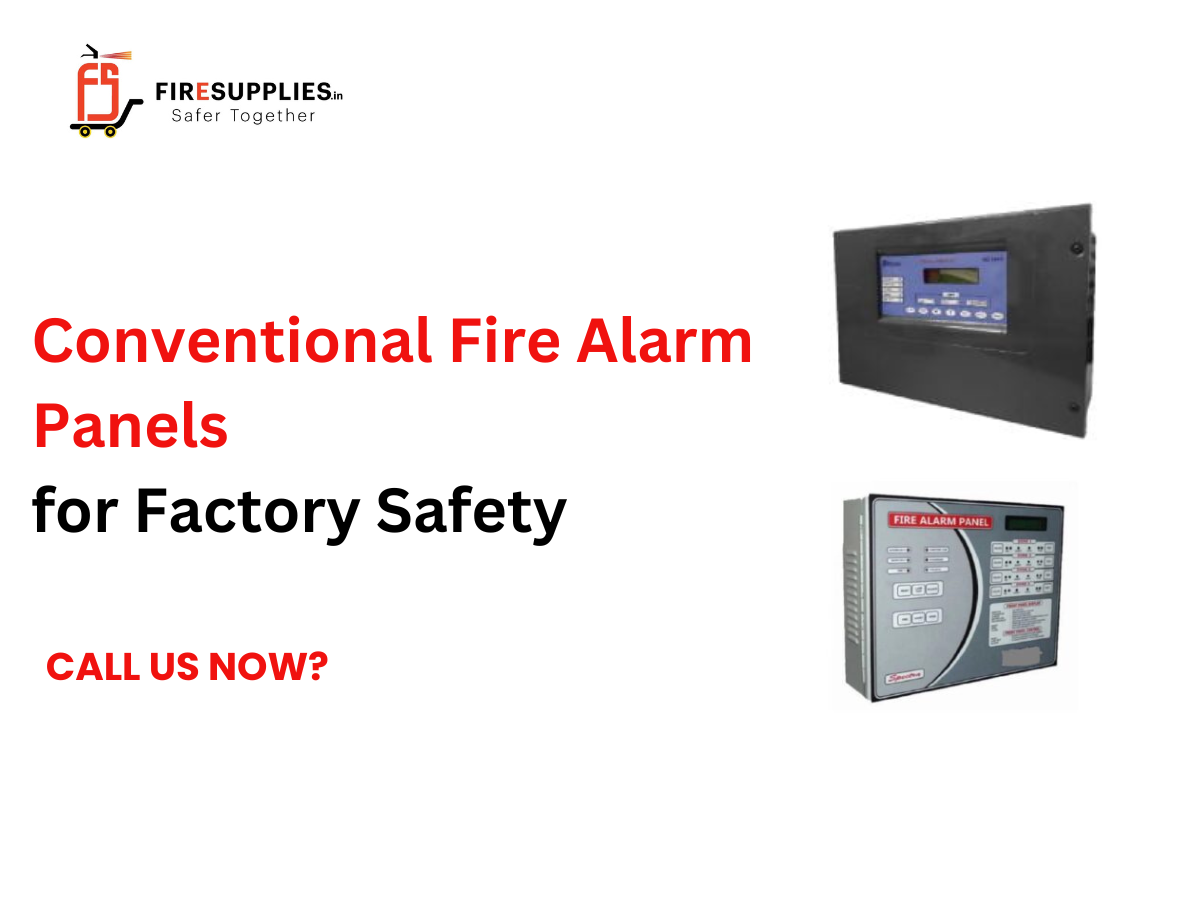
| A Conventional Fire Alarm Panel for Factory Safety is a hardwired, zone-based fire detection and alarm control unit that divides a factory or industrial building into multiple fixed zones. When a smoke detector, heat sensor, or manual call point within a zone is triggered, the panel identifies the affected zone and activates alarms, enabling staff to respond quickly. These panels are a foundational category of fire safety equipment used widely in manufacturing plants, warehouses, and industrial facilities across India and globally. |
Factory environments face unique fire risks from flammable chemicals and machinery heat to dust accumulation and electrical faults. A reliable industrial fire alarm system is not just a regulatory requirement; it is the first line of defence that protects lives, machinery, and business continuity.
Conventional Fire Alarm Panels have been trusted in industrial settings for decades. Their simplicity, cost-effectiveness, and ease of maintenance make them a practical choice for small to mid-sized factories, storage facilities, and manufacturing units where room-by-room precision is less critical than zone-level coverage.
Technical Specifications: Conventional Fire Detection System
Understanding the technical parameters of a conventional fire alarm panel helps buyers make confident, informed decisions. The table below outlines the key specifications relevant to factory environments.
| Technical Parameter | Typical Specification | Relevance to Factory Use |
| Zone Capacity | 2 to 32 zones (expandable) | Each zone covers a factory section; more zones = better location mapping |
| Operating Voltage | 24V DC with battery backup | Reliable power during outages critical for 24×7 factory operation |
| Battery Backup | 24–72 hours standby | Keeps alarm active during power cuts |
| Detector Loop Capacity | 20–32 devices per zone loop | Multi-point detection across large factory floors |
| Multi-Panel Sync | Relay output / RS-485 interface | Links multiple panels across large or multi-building complexes |
| Expandable Loops | Yes modular zone cards | Scale the system as the factory grows |
| High Bandwidth Comms | RS-485 / TCP-IP optional modules | Remote monitoring and BMS integration |
| Output Relays | Per-zone alarm, fault, and fire relays | Trigger sprinklers, sounders, AHU shutdown |
| Sounder/Bell Circuits | 2–4 per panel (expandable) | Activates audible alarms across factory areas |
| Enclosure Rating | IP30 to IP54 | Suitable for dusty and humid factory environments |
| Compliance | IS 2189, EN 54-2, UL Listed | Legal compliance with Indian and international standards |
Recommended Conventional Fire Alarm Panels: Our Top Products
As a leading fire safety equipment supplier, we offer factory-tested panels built for harsh industrial environments. Here are our top recommended products for factory fire alarm systems
| Product | Type | Key Features | |
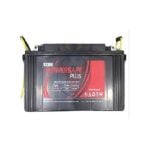
| Ravel RE-102R / RE-104R | 2-Zone / 4-Zone | Compact, IS 2189 compliant, up to 20 detectors per zone, battery backup included. Ideal for small to mid-sized factories. | 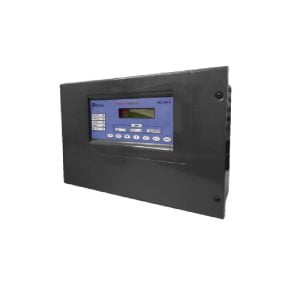 |
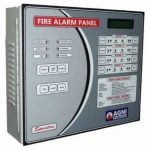
| ExoFire Conventional Panel | Industrial Grade | Expandable loops, high dust/moisture resistance. Suitable for manufacturing plants, chemical units, large warehouses. Multi-panel sync capable. | 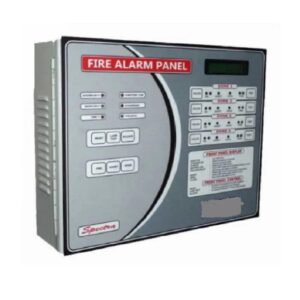 |
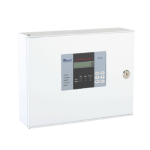
| Detect Fire Panels | Multi-Zone | Intelligent fault isolation per zone, easy-to-read LCD display, relay outputs. Ideal for factories requiring zone-specific alarm management. | 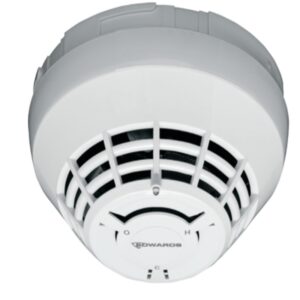 |
Use Cases: Where Factory Fire Alarm Systems Are Essential
Conventional fire alarm panels are versatile enough to serve a wide range of industrial and commercial environments. Here are the key application areas where these fire protection equipment solutions deliver the most value:
- Manufacturing Plants: Protect production lines, machinery halls, and raw material storage from fire outbreaks caused by electrical faults or overheating equipment.
- Chemical & Pharmaceutical Factories: Zone-based detection helps isolate fire incidents near hazardous materials, enabling controlled evacuation and suppression response.
- Textile & Garment Units: High dust and flammable fabric create constant fire risk; zoned panels allow rapid identification of affected areas.
- Warehouses & Cold Storage: Large open spaces benefit from multi-zone coverage with fewer panels, reducing overall cost without compromising safety.
- Food Processing Units: Kitchens, dryers, and high-temperature processing areas need reliable heat and smoke detection with zone-level alarm activation.
- Packaging & Printing Facilities: Flammable solvents and inks make these high-risk; conventional panels provide affordable, dependable protection.
- Engineering & Metal Works: Sparks and heat-intensive processes require robust industrial fire alarm panels that withstand harsh environments.
Advantages and Limitations of Conventional Fire Detection Systems
| Advantages | Limitations |
| Cost-Effective: Lower upfront cost, ideal for budget-conscious factories. | Zone-Level Only: Cannot pinpoint the exact triggered detector. |
| Simple to Install: Standard wiring reduces installation time. | Wiring for Large Sites: Many zones may require significant cable runs. |
| Easy Maintenance: Less complex electronics mean faster fault resolution. | No Device Diagnostics: Cannot remotely identify specific faulty detectors. |
| Proven & Reliable: Decades of use in industrial environments. | Limited Smart Integration: Basic models may not support cloud or SCADA monitoring. |
| Scalable Zones: Add zone cards as the factory grows. | |
| Standard Compatible: Works with smoke, heat, and manual call point devices. |
Buying Guide: How to Choose the Right Fire Alarm Panel
Selecting the right conventional fire detection system for your industrial facility requires careful evaluation. Use this checklist to guide your decision:
- Factory Size & Zone Count: Map your facility into logical zones and select a panel with sufficient zone capacity with room to grow.
- Detector Compatibility: Ensure the panel supports the types of detectors you need smoke, heat, multi-sensor based on your factory’s specific fire risks.
- Regulatory Compliance: Confirm the panel meets IS 2189 (Bureau of Indian Standards) and applicable local fire safety regulations.
- Battery Backup Duration: For 24×7 factories or areas with frequent power outages, choose panels with 48–72 hour battery standby.
- Expandability: Opt for modular panels with expandable loop cards to future-proof your investment as operations grow.
- Sounder/Output Circuits: Check the number of bell/sounder circuits and relay outputs for integration with sprinklers, AHU, or emergency lighting.
- Supplier Support: Choose a reliable fire safety equipment supplier that offers installation, commissioning, AMC, and spare parts support.
- Budget: Balance initial cost with total cost of ownership including wiring, installation, and maintenance over 5–10 years.
Standards & Certifications for Industrial Fire Alarm Panels
Compliance with recognised fire safety standards is non-negotiable for any factory fire detection and alarm solution. Here are the key standards applicable in India and internationally:
| Standard | Issuing Body | Relevance |
| IS 2189:2008 | Bureau of Indian Standards | Primary compliance requirement for factory fire alarm systems in India |
| EN 54-2 | European Standards Body | Widely accepted for imported and multinational-standard products |
| UL 864 | Underwriters Laboratories | Premium and export-grade panel compliance benchmark |
| NFPA 72 | National Fire Protection Association (USA) | Global reference for fire alarm system design and installation |
| NBC 2016 | National Building Code of India | Mandates fire detection systems for industrial buildings |
| TAC Guidelines | Tariff Advisory Committee (India) | Compliance can positively affect factory insurance premiums |
FAQs About Conventional Fire Alarm Panels for Factory Safety
Q1. What is a conventional fire alarm panel?
A conventional fire alarm panel is a zone-based fire detection system that identifies the area of fire through separate zones. It is widely used as a factory safety alarm system because it is reliable, simple, and cost-effective for industrial buildings.
Q2. How do conventional panels differ from addressable panels?
A conventional fire alarm panel shows only the affected zone, while an addressable fire alarm panel identifies the exact detector or device. Conventional systems are more affordable and ideal for small to medium factories.
Q3. What is the difference between addressable and conventional fire panels?
Conventional fire panels use separate wiring for each zone and provide zone-level alerts. Addressable panels use loop wiring and offer device-level identification, advanced diagnostics, and easier monitoring in large facilities.
Q4. What is the main advantage of an addressable fire alarm system?
The biggest advantage of an addressable fire alarm system is precise device identification. It helps reduce response time during emergencies. However, a conventional fire alarm panel for factory safety remains a budget-friendly and effective solution for many factories.
Q5. Are conventional fire alarm panels compliant with Indian fire safety regulations?
Yes. Conventional fire alarm panels compliant with IS 2189:2008 and NBC 2016 are approved for industrial fire safety applications in India. Always choose BIS-certified fire alarm systems installed by licensed professionals.
Q6. How many zones are required for a factory fire alarm system?
The number of zones depends on the factory size and layout. Small factories usually require 4–8 zones, while larger industrial units may need 16–32 zones for effective fire detection and safety management.
Q7. Can conventional fire alarm panels integrate with sprinkler systems?
Yes. Conventional fire alarm systems can integrate with sprinklers, gas suppression systems, emergency lighting, AHU shutdown, and other fire protection equipment for complete factory fire safety.
Q8. What is the lifespan of a conventional fire alarm panel?
A high-quality conventional fire alarm panel typically lasts 10–15 years with proper maintenance. Regular AMC servicing, battery replacement, and detector testing help maintain long-term performance and reliability.
| Protect Your Factory Get a Fire Safety Assessment Don’t wait for an incident to discover gaps in your fire protection. Our expert team will assess your factory, recommend the right Conventional Fire Alarm Panel, and provide a no-obligation quote including installation, compliance documentation, and AMC support. |

