
Your list is empty, add products to the list to send a request




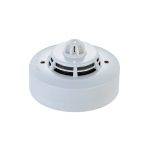
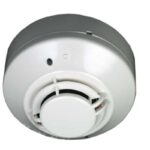


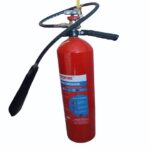
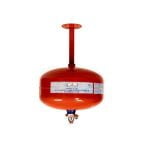





Best Fire Alarm Systems for Oil & Gas Facilities in Port Harcourt, Nigeria

06
Jun
What Are Industrial Fire Alarm Systems for Oil & Gas Facilities?
Industrial fire alarm systems for oil and gas facilities are purpose-built safety networks designed to detect fire, heat, smoke, flame, and combustible gas leaks in high-risk environments such as refineries, oil terminals, gas processing plants, and petrochemical complexes. Unlike standard commercial fire alarms, these systems integrate multi-sensor detection technologies, explosion-proof enclosures, and real-time monitoring to meet the extreme safety demands of hazardous area classification zones. In Port Harcourt, Nigeria the heart of the country’s oil and gas industry reliable fire detection and alarm systems are not optional. They are a critical line of defense protecting personnel, infrastructure, and the environment.
Why Oil & Gas Facilities in Port Harcourt Need Specialized Fire Alarm Systems
Port Harcourt sits at the center of Nigeria’s petroleum industry, hosting refineries, oil terminals, pipelines, and a dense network of petrochemical plants. The combination of flammable hydrocarbons, pressurized equipment, and complex industrial processes creates an environment where even a minor oversight can trigger a catastrophic fire or explosion.
Standard commercial fire alarm systems are simply not designed for these conditions. Facilities in this region require systems that can withstand harsh weather, corrosive atmospheres, and hazardous zone classifications (ATEX/IECEx Zone 1 and Zone 2). Early and accurate detection whether of smoke, heat, flame, or gas is what separates a contained incident from a major disaster.
Choosing the right industrial fire alarm system in Nigeria means selecting equipment that has been specifically engineered, certified, and proven in oil and gas environments.
Technical Specifications: Key Features of Oil & Gas Fire Alarm Systems
The table below outlines the core technical parameters to evaluate when selecting a fire detection system for oil and gas facilities:
| Feature | Specification |
| System Architecture | Addressable (loop-based), analogue or digital |
| Panel Capacity | Multi-panel sync, expandable loops (up to 200+ devices per loop) |
| Detection Types | Smoke, heat, flame (UV/IR), gas (combustible & toxic) |
| Communication | High bandwidth, Modbus, RS485, BACnet, Ethernet |
| Hazardous Area Rating | ATEX Zone 1 / Zone 2, IECEx certified |
| Power Supply | 24V DC with battery backup (minimum 72-hour standby) |
| Enclosure Protection | IP65 / IP67, stainless steel or GRP options |
| Alarm Output | Sounder/hooter, visual beacon, remote signalling |
| Fault Tolerance | Self-monitoring with fault isolation |
| Integration | SCADA, BMS, DCS, and ESD system compatibility |
| Operating Temperature | -20°C to +70°C (extended range for tropical climates) |
| Expandability | Expandable loops, remote I/O modules, network nodes |
Facilities should prioritize systems offering high bandwidth multi-panel synchronization and expandable detection loops to cover large site footprints efficiently.
Use Cases and Applications: Where Are These Systems Deployed?
Best fire alarm systems for oil & gas facilities in Port Harcourt are deployed across a wide range of critical industrial environments:
- Crude Oil Refineries Early flame and heat detection around distillation columns, furnaces, and storage tanks
- Oil Terminals and Tank Farms Gas detection and perimeter fire alarm coverage for bulk storage areas
- Gas Processing Plants Combustible gas detection along pipelines, compressor stations, and separation units
- Offshore Support Facilities Explosion-proof, marine-grade fire panels with automatic suppression integration
- Petrochemical Plants Multi-zone addressable systems covering reactors, storage, loading bays, and control rooms
- Power Generation Facilities Flame detection in generator rooms and fuel storage areas
- Drilling Sites and Well-heads Portable and fixed gas detectors with wireless alarm capability
Each application demands a carefully scoped system design that accounts for zone classification, hazardous material type, site layout, and applicable Nigerian and international standards.
G-Alert Fire Alarm Systems: Industrial Fire Detection You Can Rely On

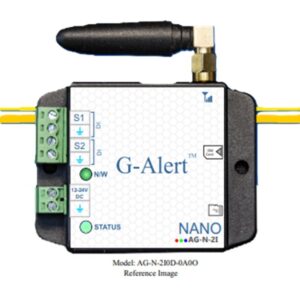
G-Alert is a recognized brand in industrial fire alarm and detection technology, trusted for its performance in demanding environments. G-Alert fire alarm solutions are built to provide early, reliable fire detection and emergency notification across industrial sites including oil and gas facilities that require uncompromising accuracy.
Key capabilities of G-Alert systems include:
- Rapid alarm activation Early warning detection minimizing response time
- Integration-ready architecture Compatible with gas detection, SCADA, and emergency shutdown systems
- Reliable monitoring Continuous loop supervision and fault reporting
- Industrial-grade construction Suitable for harsh tropical and petrochemical environments
For facilities in Port Harcourt, G-Alert provides a dependable foundation for fire safety delivering the confidence that comes from purpose-built industrial detection technology.
Crimscent Fire Alarm and Gas Detection Systems: Comprehensive Industrial Safety

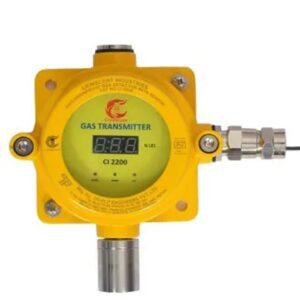
Crimscent offers a broad portfolio of fire alarm, gas detection, flame detection, and alarm notification products specifically suited to industrial facilities. Their range is designed to support comprehensive fire and gas safety strategies for oil terminals, refineries, and petrochemical plants.
Crimscent’s product portfolio for industrial fire safety includes:
- Fire Alarm Panels Addressable and conventional panels for single-zone and multi-zone site coverage
- Manual Call Points Robust, clearly visible emergency activation devices for hazardous areas
- Hooters and Alarm Sounders High-decibel audible alerts ensuring alarm signals reach all personnel
- Gas Detectors Fixed combustible and toxic gas detectors for continuous area monitoring
- Flame Detectors UV, IR, and UV/IR combined detectors for fast-response flame identification
Crimscent’s solutions align with the multi-layered fire and gas detection approach required in oil and gas fire alarm systems across Port Harcourt and the wider Niger Delta region. Their equipment helps operators build a fully integrated safety net from early detection right through to alarm notification.
Advantages and Limitations of Industrial Fire Alarm Systems
Advantages
- Early detection saves lives and limits damage by triggering alarms before a fire fully develops
- Addressable systems identify the exact device in alarm, reducing response time in large facilities
- Integration with gas detection provides a layered safety approach that standard systems cannot offer
- Explosion-proof designs meet hazardous area certifications required by Nigerian and international regulations
- Remote monitoring allows real-time oversight from a central control room or off-site command center
- Scalability means systems can expand as facilities grow or new zones are added
Limitations
- Higher initial investment compared to non-industrial systems though justified by risk reduction
- Complex installation and commissioning requires qualified engineers with oil and gas experience
- Ongoing maintenance is essential to keep detection accuracy and certification compliance
- False alarm management in dusty or chemically active environments requires careful detector selection and calibration
Understanding these trade-offs helps facility managers and safety officers make informed procurement decisions.
Buying Guide: How to Choose the Right Fire Alarm System for Your Oil & Gas Facility
Selecting the right fire alarm system for oil and gas facilities in Port Harcourt involves more than comparing product brochures. Here is a practical, step-by-step checklist:
- Conduct a Hazard and Risk Assessment Identify all flammable materials, ignition sources, and area classifications (Zone 0, 1, or 2) across your facility.
- Define Your Detection Needs Determine whether you need smoke, heat, flame, or gas detection or a combination. Most oil and gas sites require all four.
- Choose Addressable Over Conventional Addressable systems offer precise device identification and faster fault location critical in large or complex facilities.
- Verify Certifications Ensure all equipment meets ATEX, IECEx, EN 54, and SON (Standards Organisation of Nigeria) certification requirements applicable to your site.
- Assess System Integration Requirements Confirm compatibility with existing SCADA, BMS, DCS, or emergency shutdown systems already deployed on site.
- Consider Local Support and Maintenance Choose suppliers with a presence in Port Harcourt or Rivers State to ensure rapid response for servicing, spares, and technical support.
- Plan for Expansion Opt for expandable loop architecture that can accommodate future growth without requiring a full system replacement.
Standards and Certifications for Oil & Gas Fire Alarm Systems in Nigeria
Compliance with recognized standards is not optional it is a legal, operational, and insurance requirement. The key standards applicable to industrial fire alarm systems in Nigeria include:
| Standard | Description |
| EN 54 | European standard for fire detection and alarm systems |
| ATEX Directive | European explosion protection requirements for hazardous areas |
| IECEx | International certification for equipment in explosive atmospheres |
| NFPA 72 | National Fire Alarm and Signaling Code (USA widely referenced) |
| API RP 505 | Recommended practice for fire protection for refineries |
| ISO 7240 | Fire detection and alarm systems international standard |
| SON Standards | Standards Organisation of Nigeria local compliance requirements |
| DPR/NUPRC | Nigerian Upstream Petroleum Regulatory Commission safety regulations |
All fire alarm equipment deployed in Nigerian oil and gas facilities should carry relevant certifications and be installed by engineers certified to work in hazardous areas.
FAQs About Fire Alarm Systems for Oil & Gas Facilities in Port Harcourt, Nigeria
- Why are specialized fire alarm systems required in oil and gas facilities?
Oil and gas facilities require specialized fire alarm systems because of the significantly elevated risk of fire, gas leaks, explosions, and hazardous atmospheres. Advanced detection technologies provide early warning, support emergency response procedures, and protect personnel, equipment, and critical infrastructure that standard commercial systems are not designed to handle.
- What type of fire alarm system is best for oil and gas facilities in Port Harcourt?
Addressable fire alarm systems integrated with gas detection and flame detection technologies are generally the preferred choice. These systems provide precise device identification, faster incident response, and easier maintenance across large industrial sites making them the industry standard for oil terminals, refineries, and petrochemical plants in Port Harcourt.
- What is G-Alert fire alarm technology used for in industrial applications?
G-Alert fire alarm solutions are designed to provide early fire detection and emergency notification in industrial environments. They are commonly deployed in facilities that require reliable continuous monitoring, rapid alarm activation, and seamless integration with broader safety and security systems including gas detection and emergency shutdown controls.
- Why is Crimscent suitable for industrial fire detection in oil and gas?
Crimscent offers a comprehensive range of fire alarm panels, manual call points, hooters, gas detectors, and flame detectors designed for industrial facilities. Their portfolio supports a full fire and gas safety strategy from initial detection through to alarm notification making them well suited to the complex safety requirements of oil and gas sites in Port Harcourt.
- How important is gas detection in oil and gas fire alarm systems?
Gas detection is one of the most critical components of fire protection in oil and gas facilities. Early detection of combustible or toxic gas leaks helps prevent ignition events and allows operators to take corrective action before a hazardous situation escalates into a fire or explosion. A complete fire safety system should always integrate gas detection alongside smoke, heat, and flame detectors.
Take the Next Step: Protect Your Facility With the Right Fire Alarm System
The best fire alarm systems for oil & gas facilities in Port Harcourt, Nigeria combine proven detection technology, hazardous area certification, and seamless system integration all backed by local expertise and reliable support.
Whether you operate a refinery, oil terminal, gas processing plant, or petrochemical facility, Fire Supplies provides access to trusted industrial fire safety solutions including G-Alert and Crimscent products engineered specifically for the demands of your industry.
Contact Firesupplies team today for a site assessment, product consultation, or installation support.
Our specialists understand the unique fire safety challenges faced by oil and gas operators in Port Harcourt and across the Niger Delta region. We will help you design a system that meets your hazard profile, satisfies regulatory requirements, and keeps your people and assets protected around the clock.

