Your list is empty, add products to the list to send a request










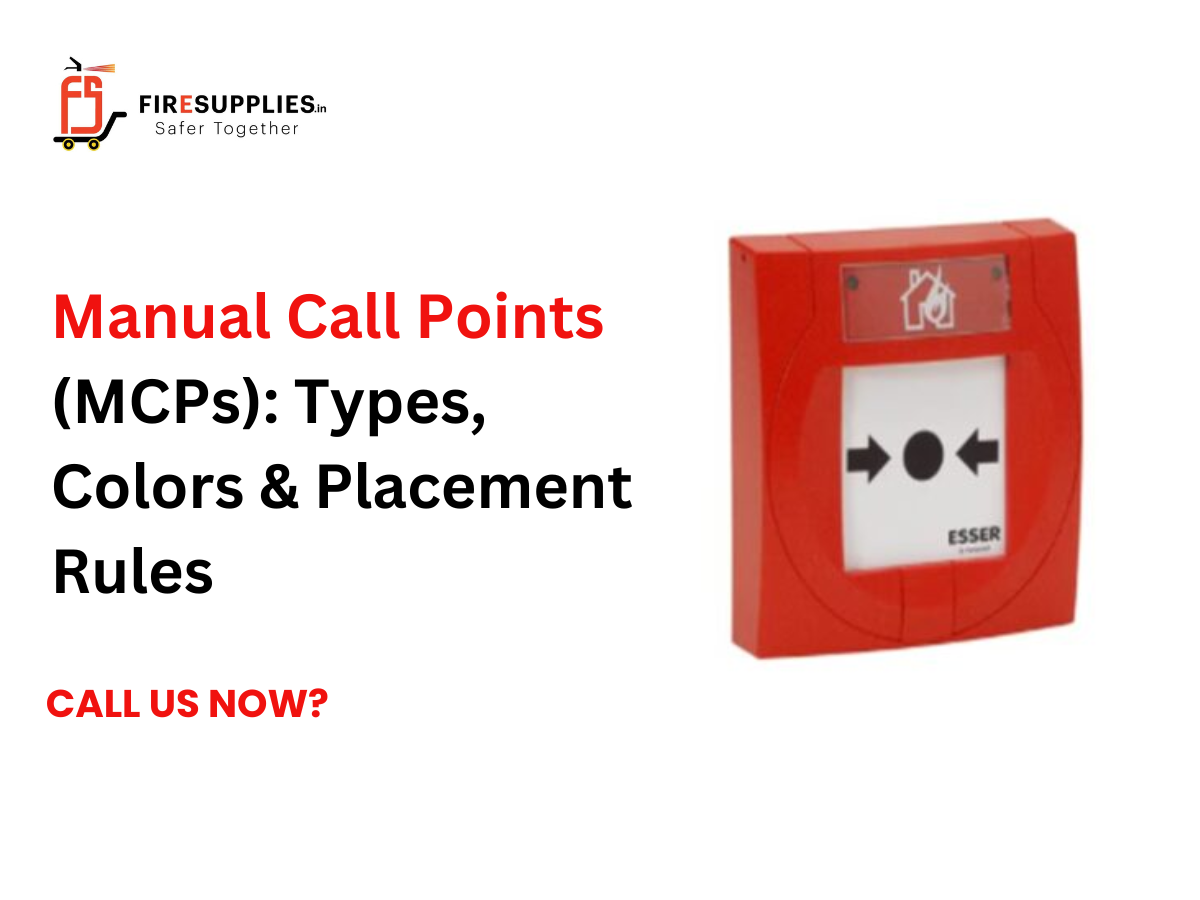
Manual Call Points (MCPs): Types, Colors & Placement Rules

04
Jul
When a fire breaks out, every second counts, and that is exactly why understanding Manual Call Points (MCPs): Types, Colors & Placement Rules is essential for anyone responsible for building safety. A manual call point is one of the simplest yet most critical fire safety products in any fire alarm system, allowing occupants to raise the alarm instantly by pressing or breaking a designated panel. Despite their simplicity, MCPs come in several types, colors, and placement configurations, each governed by specific rules designed to maximize accessibility and response time.
In this guide, we’ll walk through everything you need to know about manual call points, from the different MCP fire alarm types available to the correct colors and mounting locations required by fire safety standards. Whether you’re specifying fire protection equipment for a new commercial building or upgrading an older fire alarm call point network, this article will help you make informed, compliant decisions.
What Is a Manual Call Point?
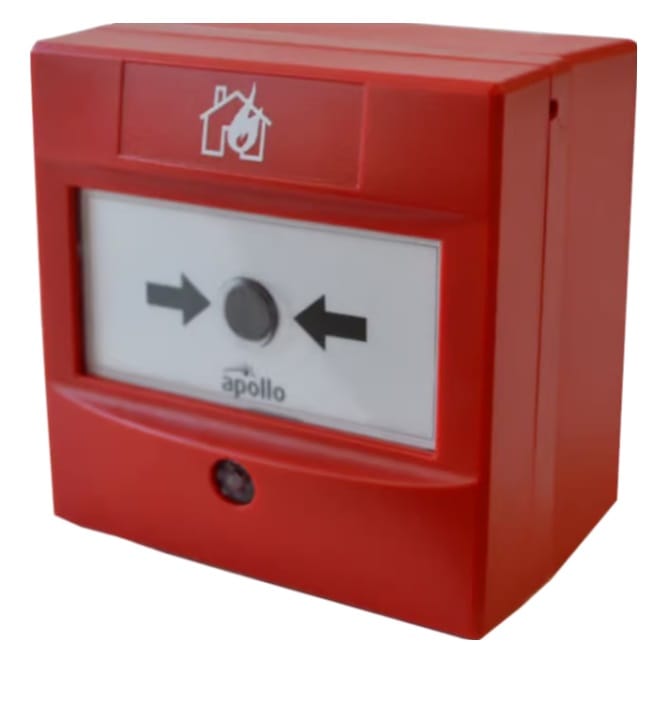
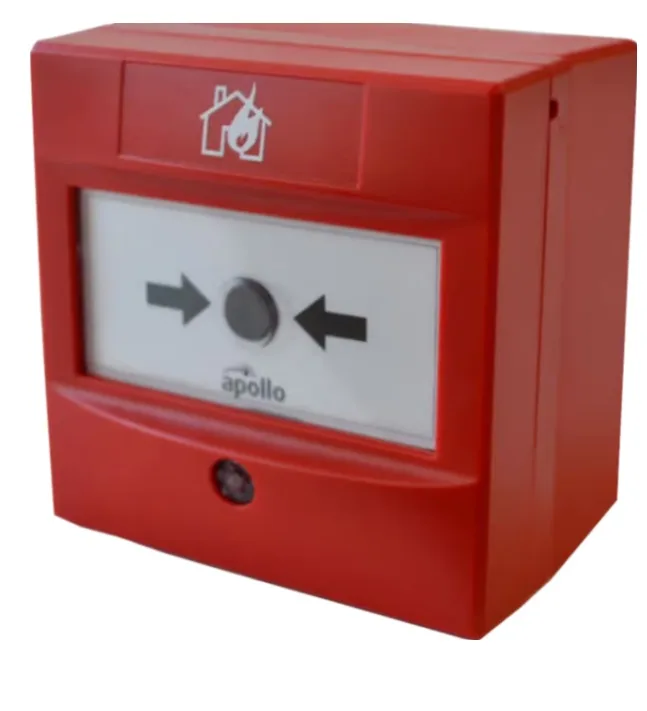
A Manual Call Point (MCP) is a fire alarm device that allows a person to manually activate the fire alarm system during an emergency by pressing a button or breaking a frangible glass element. Once triggered, the MCP fire alarm signal is sent directly to the fire alarm control panel, initiating evacuation alarms and, where applicable, alerting the local fire department or monitoring station. As a core component of fire protection equipment, the manual call point bridges the gap between human observation and automated fire detection systems.
MCP Fire Alarm Technical Details
Manual call points vary in design, communication protocol, and installation environment. The table below outlines the key technical differences between common MCP types used across commercial and industrial fire alarm systems.
| Feature | Conventional MCP | Addressable MCP |
| Location Identification | Identifies alarm zone only | Identifies exact device location |
| Wiring | Simple two-wire loop | Communicates over addressable data loop |
| Bandwidth | Standard, low-bandwidth signaling | High bandwidth for detailed status reporting |
| Multi-Panel Sync | Limited, zone-based only | Supports multi-panel sync across networked systems |
| Loop Architecture | Fixed zone wiring | Expandable loops with additional devices |
| Fault Diagnosis | Basic zone-level fault indication | Precise fault and tamper diagnostics per device |
| Best Suited For | Small buildings, simple layouts | Large facilities, multi-building campuses |
| Resettable Option | Available on select models | Widely available, often standard |
This distinction matters most when planning a commercial fire alarm system, where addressable MCPs offer far more precise monitoring across expandable loops and multiple control panels.
Types of Manual Call Points
Manual call points are manufactured in several configurations to suit different building types, industries, and environmental conditions. Understanding these categories helps ensure the right fire alarm call point is chosen for each application.
- Conventional MCPs – Cost-effective devices that identify the general zone where an alarm was triggered, suitable for smaller buildings.
- Addressable MCPs – Advanced devices that pinpoint the exact unit activated, ideal for large commercial or industrial fire alarm systems.
- Break-glass MCPs – Require breaking a frangible element to activate, reducing the risk of accidental or malicious triggering.
- Resettable MCPs – Allow authorized personnel to reset the device after testing or a false alarm, without needing replacement parts.
- Weatherproof MCPs – Built with sealed enclosures to resist moisture, dust, and temperature extremes in outdoor or harsh settings.
- Explosion-proof MCPs – Designed for hazardous environments such as oil and gas facilities where flammable vapors may be present.
MCP Colors and What They Mean
Color coding plays a significant role in how quickly occupants can identify and use a manual call point during an emergency. Understanding MCP colors ensures the correct device is used for the correct purpose.
Red remains the standard and most widely recognized color for fire alarm MCPs, since it is universally associated with fire emergencies. However, MCPs are also manufactured in other colors for specialized, non-fire applications, including:
- Green – Used for emergency door release systems
- Blue – Used for special emergency or security-related systems
- Yellow – Used for general hazard warning systems
- White – Used for specialized control or auxiliary applications
Selecting the correct MCP color, alongside the appropriate type, helps prevent confusion and ensures each device is used exactly as intended within a facility’s broader fire protection equipment strategy.
Use Cases and Applications
Manual call points are used across a wide range of building types and industries, each with its own placement and type considerations.
Commercial Buildings
Offices, retail centers, and hotels typically rely on addressable MCPs integrated into a commercial fire alarm system, allowing facility managers to pinpoint the exact activation point instantly.
Industrial and Warehouse Facilities
Manufacturing plants and warehouses often require an industrial fire alarm MCP solution, including weatherproof or explosion-proof variants, due to dust, moisture, and hazardous materials present on site.
Educational and Healthcare Institutions
Schools, hospitals, and care facilities benefit from resettable MCPs that support routine fire drills and testing without incurring frequent replacement costs.
Outdoor and Harsh Environments
Loading docks, parking structures, and external walkways call for a weatherproof MCP capable of withstanding rain, temperature swings, and dust exposure while remaining fully functional.
MCP Placement Rules
Correct placement is just as important as selecting the right device type. Following established MCP placement rules ensures occupants can reach a manual call point quickly during an emergency.
- Install MCPs near exit doors and along designated escape routes.
- Position devices at stairwell entrances and building entrances for maximum visibility.
- Mount MCPs at approximately 1.4 meters above finished floor level for easy accessibility.
- Ensure no occupant needs to travel more than approximately 30 meters to reach the nearest MCP, subject to local code requirements.
- Place additional units in high-risk areas, including industrial and warehouse facilities.
- Avoid obstructions such as furniture, equipment, or signage that could block access to the device.
Advantages and Limitations
Advantages of Manual Call Points
- Provide a fast, reliable way for occupants to trigger an alarm manually
- Simple to operate, requiring no technical knowledge during an emergency
- Available in addressable formats for precise fault and location diagnostics
- Weatherproof and explosion-proof versions extend usability to harsh environments
Limitations of Manual Call Points
- Rely on human observation and action, unlike automatic detection systems
- Conventional MCPs offer limited location precision compared to addressable models
- Require regular testing and maintenance to ensure consistent performance
Buying Guide: Choosing the Right MCP
When sourcing manual call points and related fire fighting products, consider the following factors before making a purchase.
- Determine the required system type. Decide between conventional and addressable MCPs based on building size and monitoring needs.
- Match the MCP to its environment. Choose weatherproof or explosion-proof models for outdoor, industrial, or hazardous locations.
- Confirm compliance with placement rules. Verify mounting height, maximum travel distance, and location requirements align with local fire codes.
- Choose the correct color. Reserve red MCPs strictly for fire alarm activation, using other colors only for their designated non-fire purposes.
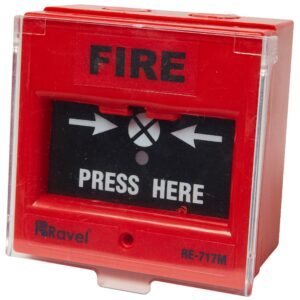
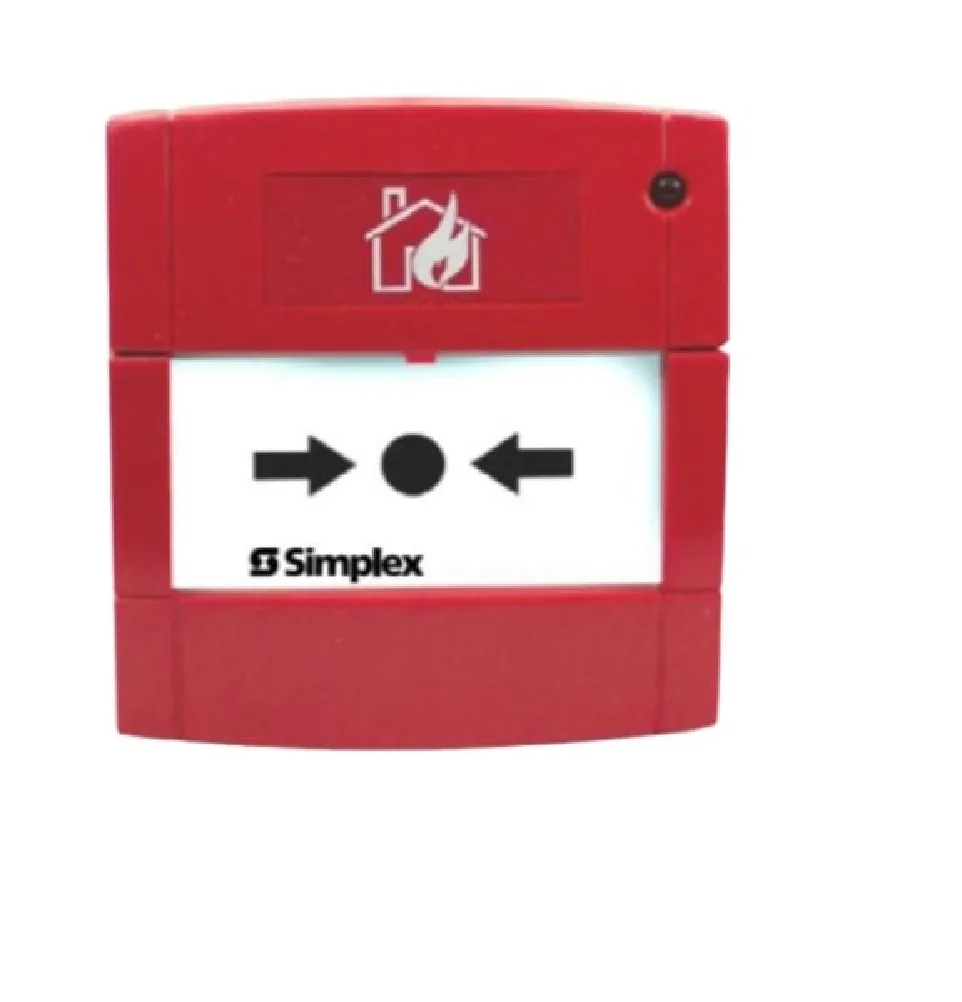
- Select a trusted fire safety equipment supplier. Reliable fire protection equipment suppliers can provide certified products such as the Ravel RE-717M, Simplex 4099-9701, and Apollo SA5900, all recognized options for addressable call point installations.


- Plan for system integration. Ensure new MCPs are compatible with your existing fire alarm control panel, wiring architecture, and loop capacity.
Standards and Certifications
Manual call points used in commercial and industrial fire alarm systems should comply with recognized fire safety standards to ensure reliable performance. Common certifying bodies and standards include Underwriters Laboratories (UL), the National Fire Protection Association (NFPA), and the European EN 54-11 standard specifically covering manual call points. Always confirm that any MCP fire alarm device you select carries appropriate certification for your region before installation. For further technical guidance, the NFPA and UL websites offer detailed standards documentation, while the U.S. Fire Administration provides additional resources on fire alarm system best practices.
FAQs About Manual Call Points (MCPs)
- What is a Manual Call Point (MCP)?
A Manual Call Point (MCP) is a fire alarm device that allows a person to manually activate the fire alarm system during an emergency. It sends an alarm signal to the fire alarm control panel, helping occupants evacuate quickly and enabling emergency responders to react faster. - What are the different types of MCPs?
Manual Call Points are available in several types depending on the fire alarm system and application, including conventional MCPs, addressable MCPs, break-glass MCPs, resettable MCPs, weatherproof MCPs, and explosion-proof MCPs. - What is the difference between conventional and addressable MCPs?
Conventional MCPs indicate the alarm zone, while addressable MCPs identify the exact device location. Addressable MCPs improve fault diagnosis, maintenance efficiency, and emergency response, especially in large buildings and industrial facilities. - Why are most fire alarm MCPs red?
Red is the standard color for fire alarm MCPs because it is universally recognized as a fire emergency indicator. It helps occupants quickly identify the device and activate the fire alarm system during an emergency. - Are MCPs available in colors other than red?
Yes, MCPs can be available in other colors for non-fire emergency applications, including green for emergency door release, blue for special emergency or security systems, yellow for hazard warning systems, and white for specialized control applications. - Where should Manual Call Points be installed?
MCPs should be installed along escape routes, near exits, and at locations where occupants can easily access them during an emergency, including near exit doors, along corridors, at stairwell entrances, near building entrances, at high-risk areas, and in industrial and warehouse facilities. - What is the recommended mounting height for MCPs?
Manual Call Points are generally mounted at approximately 1.4 meters above finished floor level. This height ensures they are easily visible and accessible to most occupants, including during emergency situations. - What is the maximum distance to reach an MCP?
In many fire safety standards, occupants should not have to travel more than about 30 meters to reach a Manual Call Point. The exact distance may vary depending on local regulations, building occupancy, and fire risk assessment. - Are weatherproof MCPs required for outdoor areas?
Yes, weatherproof MCPs are recommended for outdoor or harsh environments where dust, moisture, rain, or temperature variations could affect performance. They are commonly used in industrial plants, warehouses, oil and gas facilities, and external building areas. - How often should MCPs be tested?
MCPs should be tested regularly as part of a scheduled fire alarm maintenance program. Routine testing helps verify alarm activation, communication with the control panel, and overall reliability of the fire alarm system.
Why Correct MCP Selection Matters for Compliance
Choosing the right manual call point is not only a matter of convenience but also a compliance requirement in most jurisdictions. Fire inspectors routinely check MCP placement, mounting height, and device type during safety audits, and non-compliant installations can result in failed inspections or delayed occupancy certificates. Facilities that partner with an experienced fire safety equipment supplier from the start are far more likely to pass inspections on the first attempt, since every device, wiring configuration, and placement decision is documented according to applicable codes.
Final Thoughts
Understanding Manual Call Points (MCPs): Types, Colors & Placement Rules is essential for designing a fire alarm system that responds quickly and reliably during an emergency. From choosing between conventional and addressable MCPs to following correct color coding and placement distances, every decision plays a role in occupant safety and code compliance. Partnering with a certified fire protection equipment supplier ensures your manual call points are installed correctly and ready to perform when it matters most.
Ready to Upgrade Your Fire Alarm Call Points?
Don’t leave manual call point selection to chance. Our fire safety experts can help you choose and install the right combination of conventional, addressable, and weatherproof MCPs including trusted brands like Ravel RE-717M, Simplex 4099-9701, and Apollo SA5900 tailored to your building’s layout and compliance needs. Contact us today for a consultation and quote on fire alarm equipment designed to protect what matters most.