
Your list is empty, add products to the list to send a request










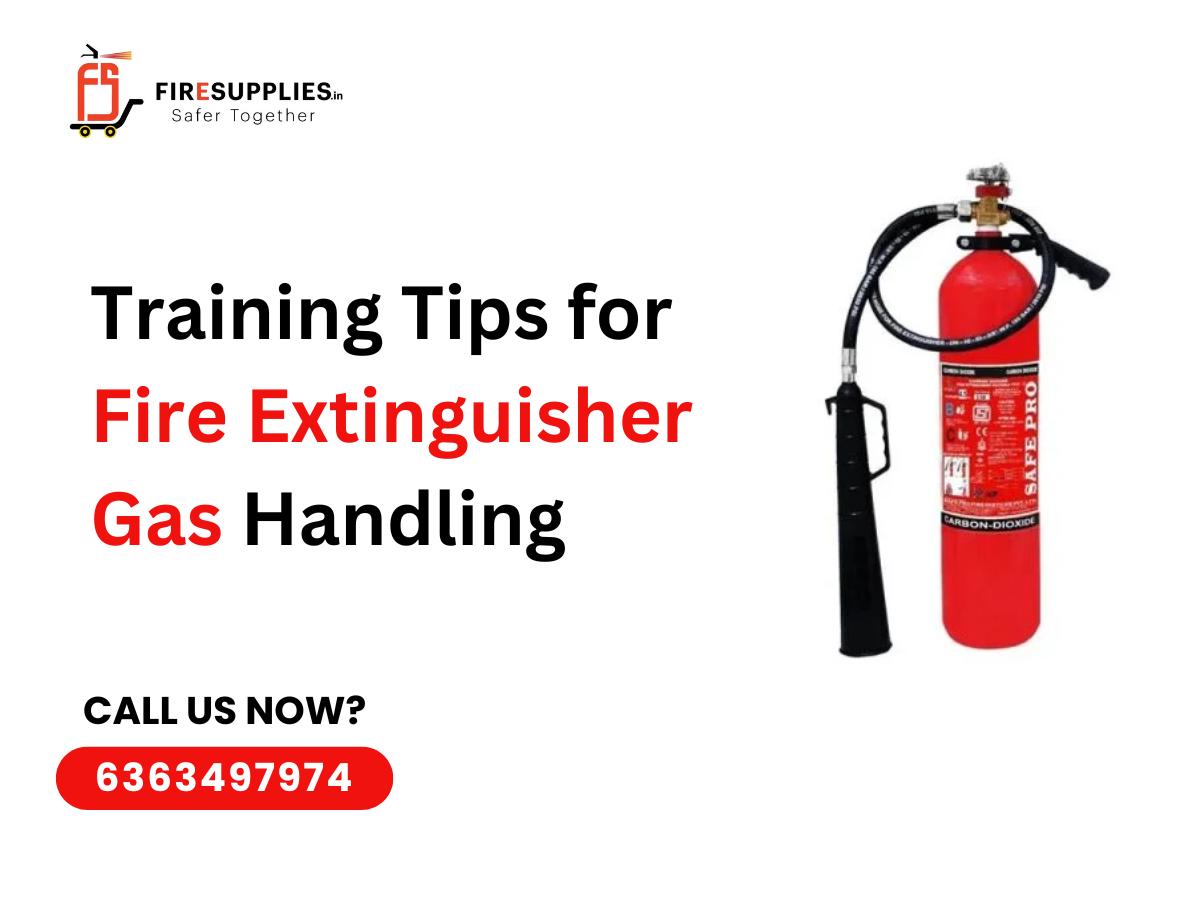
Training Tips for Fire Extinguisher Gas Handling

17
Jan
Fire emergencies demand quick, confident action. Proper training in fire extinguisher gas handling ensures people respond safely and effectively when seconds matter. Without the right knowledge, even a high-quality extinguisher may be used incorrectly, reducing its impact.
This guide explains how to handle fire extinguisher gas safely, focusing on CO₂ systems such as the Safepro 4.5kg CO₂ fire extinguisher. The goal is to provide clear, practical training tips suitable for offices, industries, and commercial buildings.
What Is Fire Extinguisher Gas Handling Training?
Fire extinguisher gas handling training teaches users how to safely operate gas-based fire extinguishers, understand discharge behavior, and manage risks such as cold burns, pressure release, and visibility loss. It ensures controlled use of fire extinguisher gas to suppress fires without endangering the operator or surroundings.
Technical Details of Fire Extinguisher Gas Systems
Understanding basic technical details helps users respect the power and limitations of fire extinguisher gas systems.
| Parameter | Details |
| Fire Suppression Agent | Carbon Dioxide (CO₂) |
| Operating Pressure | High-pressure stored gas |
| Discharge Method | Horn or nozzle release |
| Cooling Effect | Rapid temperature drop during discharge |
| Residue | None (clean agent) |
| Typical Use | Electrical rooms, control panels, machinery |
These features explain why correct training is essential before real-world use.
Why Proper Fire Extinguisher Gas Training Is Critical
Fire extinguisher gas behaves differently from water or foam. CO₂ displaces oxygen and cools flames rapidly, but incorrect use can reduce effectiveness.
Training helps users:
- React calmly during emergencies
- Avoid misuse that spreads fire
- Protect themselves from cold gas discharge
- Improve fire suppression success rates
Well-trained staff reduce panic and property damage.
Understanding Fire Extinguisher Gas Behavior
Before hands-on training, users must understand how fire extinguisher gas works.
CO₂ expands rapidly when released. This creates a strong discharge force and loud sound. The gas cools instantly and blankets the fire by reducing oxygen around it.
Because CO₂ is heavier than air, it works best in enclosed or semi-enclosed spaces.
Safe Handling Basics for Fire Extinguisher Gas
Training should begin with core handling rules.
Key safety practices include:
- Always hold the extinguisher upright
- Never touch the discharge horn during use
- Keep face and body away from the gas stream
- Use short bursts instead of continuous discharge
These basics prevent injuries and improve control.
Step-by-Step Training Tips for Fire Extinguisher Gas Use
Structured training ensures consistency and confidence.
Recommended training steps:
- Identify the correct extinguisher type
- Stand at a safe distance from the fire
- Aim the nozzle at the fire base
- Sweep side to side in controlled motion
- Stop discharge once flames are out
Repeated drills reinforce muscle memory.
Use Cases and Applications for Fire Extinguisher Gas Training
Training is important in many environments.
Common applications include:
- Office buildings and IT rooms
- Electrical control panels
- Manufacturing plants
- Laboratories and workshops
- Data centers and server rooms
Each environment presents unique risks that training addresses.
Advantages of Fire Extinguisher Gas Training
Proper training delivers long-term safety benefits.
Advantages include:
- Faster emergency response
- Reduced panic during fires
- Lower risk of operator injury
- Improved equipment lifespan
- Compliance with safety audits
Training turns equipment into a real safety solution.
Limitations and Safety Considerations
Fire extinguisher gas has limitations users must understand.
CO₂ is not ideal for open outdoor fires due to wind dispersion. Prolonged discharge in confined spaces may reduce breathable oxygen levels.
Training emphasizes evacuation after discharge and proper ventilation.
Environmental and Health Awareness During Training
Although CO₂ leaves no residue, it must be handled responsibly.
Training programs should explain:
- Short-term breathing discomfort risks
- Importance of room ventilation
- Avoiding prolonged exposure
This awareness keeps both users and bystanders safe.
Training Frequency for Fire Extinguisher Gas Handling
Training is not a one-time activity.
Best practice includes:
- Initial induction training
- Annual refresher sessions
- Practical mock drills
- Updates after equipment changes
Regular training ensures readiness.
Choosing Fire Extinguisher Gas Equipment for Training
Selecting the right extinguisher supports effective training.
Look for:
- Compact size for easy handling
- Clear operating instructions
- Reliable discharge mechanism
- Trusted manufacturers like Safepro
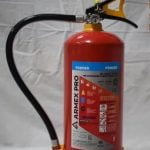
The Safepro 4.5kg CO₂ fire extinguisher is ideal for training and real use.
Certifications for Fire Extinguisher Gas Training
Training programs should align with recognized safety standards.
Common references include:
- National fire safety codes
- Workplace safety guidelines
- Manufacturer handling instructions
Authoritative fire safety guidance can be found from organizations such as:
- National Fire Protection Association (NFPA)
- Occupational safety authorities
- Fire safety training institutes
These standards promote consistent learning outcomes.
FAQs: Fire Extinguisher Gas Handling
FAQ 1: Should I wear gloves when handling fire extinguisher gas?
Yes, gloves are recommended during training and use. Fire extinguisher gas discharge causes extreme cold, and gloves protect hands from cold burns and improve grip.
FAQ 2: How often should fire extinguisher gas handling be practiced?
Fire extinguisher gas handling should be practiced at least once a year, with refresher drills conducted more frequently in high-risk environments.
FAQ 3: Does wind affect the fire extinguisher gas stream?
Yes, wind can disperse fire extinguisher gas quickly. Training teaches users to approach from upwind and adjust distance to maintain effectiveness.
Call to Action
Equip your team with the right tools and knowledge.
Explore reliable fire extinguisher gas solutions like the Safepro 4.5kg CO₂ Fire Extinguisher and ensure your workplace is prepared, trained, and compliant.
Visit Us to upgrade your fire safety readiness today.

