
Your list is empty, add products to the list to send a request








Seasonal Checks for Fire Extinguisher Gas


19
Jan
Seasonal changes can quietly affect how your fire extinguisher gas performs. Temperature shifts, humidity, and storage conditions all play a role in whether a fire extinguisher works as expected during an emergency.
This guide explains why seasonal checks for fire extinguisher gas are essential and how to inspect, store, and maintain CO₂ fire extinguishers throughout the year. Whether you manage an office, factory, or commercial building, these checks help ensure consistent fire safety.
What Are Seasonal Checks for Fire Extinguisher Gas?
Seasonal checks for fire extinguisher gas are routine inspections performed during climate changes to ensure pressure stability, cylinder integrity, and safe operation. These checks confirm that CO₂ gas remains effective despite temperature fluctuations, humidity, and environmental exposure.
Why Seasonal Checks for Fire Extinguisher Gas Matter
Fire extinguishers are often installed and forgotten. Seasonal changes can weaken seals, alter pressure, or cause corrosion without obvious warning signs.
Regular seasonal checks help:
- Maintain correct gas pressure
- Prevent corrosion or leakage
- Extend equipment lifespan
- Reduce failure during emergencies
Consistent checks turn compliance into real protection.
Technical Details of Fire Extinguisher Gas Systems
Understanding basic technical characteristics helps explain why climate matters.
| Parameter | Details |
| Extinguishing Agent | Carbon Dioxide (CO₂) |
| Storage Type | High-pressure gas cylinder |
| Temperature Sensitivity | Pressure varies with temperature |
| Moisture Impact | External corrosion risk |
| Residue | None |
| Typical Applications | Electrical rooms, machinery, offices |
These factors highlight why seasonal conditions must be monitored.
How Temperature Changes Affect Fire Extinguisher Gas
CO₂ pressure increases in heat and decreases in cold. While cylinders are designed for safe ranges, prolonged exposure to extreme temperatures can stress components.
Seasonal checks confirm:
- Pressure indicators remain within limits
- Valves and seals remain intact
- No bulging or deformation of the cylinder
This ensures predictable performance during use.
Humidity and Its Impact on Fire Extinguisher Gas Systems
Humidity does not affect the CO₂ gas itself but can damage the cylinder and valve assembly.
High moisture levels may cause:
- External rusting
- Valve corrosion
- Label damage affecting instructions
Seasonal checks help identify early signs of moisture-related deterioration.
Summer Checks for Fire Extinguisher Gas
Summer heat places the highest stress on gas-based extinguishers.
During summer inspections:
- Ensure cylinders are not exposed to direct sunlight
- Check pressure gauges for abnormal readings
- Confirm storage areas are well ventilated
Avoid placing extinguishers near boilers, generators, or hot machinery.
Monsoon Checks for Fire Extinguisher Gas
Monsoon conditions introduce moisture risks that should not be ignored.
Key monsoon checks include:
- Inspecting cylinder bases for rust
- Ensuring wall brackets remain secure
- Wiping off condensation regularly
Dry storage and airflow are critical during rainy seasons.
Winter Checks for Fire Extinguisher Gas
Cold temperatures may reduce gas pressure temporarily.
Winter checks should focus on:
- Confirming pressure stays within operational range
- Ensuring discharge horns are free from cracks
- Checking accessibility when doors or shutters are closed
Well-maintained extinguishers remain reliable even in cold environments.
Seasonal Inspection Checklist for Fire Extinguisher Gas
A simple checklist keeps inspections consistent.
Recommended seasonal checks:
- Visual inspection of cylinder body
- Pressure indicator review
- Valve and seal condition
- Hose or horn alignment
- Clear operating instructions
Documenting these checks supports audits and safety reviews.
Applications for Seasonal Fire Extinguisher Gas Checks
Seasonal checks are essential across multiple environments.
Common use cases include:
- Office buildings
- Data centres and server rooms
- Manufacturing units
- Workshops and warehouses
- Commercial kitchens with electrical systems
Each environment faces different seasonal risks.
Advantages of Seasonal Fire Extinguisher Gas Inspections
Proactive inspections offer measurable benefits.
Advantages include:
- Reduced risk of extinguisher failure
- Longer service life
- Improved emergency readiness
- Compliance with safety guidelines
- Lower replacement costs
Seasonal care improves long-term safety performance.
Limitations and Considerations
Seasonal checks are preventive but not a substitute for professional servicing.
Limitations include:
- Inability to measure internal gas purity
- Need for certified refilling when pressure drops
- Dependence on trained inspectors
Annual professional servicing should complement seasonal checks.
Choosing Fire Extinguisher Gas for All Seasons
When selecting a CO₂ extinguisher, durability matters.
Look for:
- High-quality steel cylinders
- Clear pressure indicators
- Corrosion-resistant finishes
- Trusted brands like Safepro
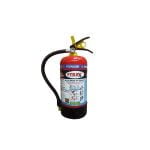
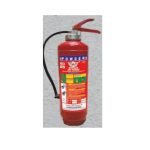
The Safepro 4.5kg CO₂ fire extinguisher is suitable for year-round use.
Certifications for Fire Extinguisher Gas Maintenance
Seasonal checks align with recognised safety standards.
Common references include:
- National fire safety codes
- Workplace safety guidelines
- Manufacturer inspection schedules
Authoritative guidance is provided by organisations such as:
- National Fire Protection Association (NFPA)
- Occupational safety authorities
- Fire safety training bodies
FAQs
1: Does humidity affect fire extinguisher gas?
Humidity does not affect the CO₂ gas itself, but it can cause external corrosion on the cylinder and valve. Seasonal checks during humid months help prevent rust and ensure safe operation.
2: Are there summer heat limits for fire extinguisher gas?
Yes, fire extinguisher gas cylinders are designed for specific temperature ranges. Prolonged exposure to extreme heat may increase pressure, so summer checks ensure safe storage and correct pressure levels.
3: How should fire extinguisher gas be stored during monsoon season?
During monsoon season, fire extinguisher gas cylinders should be stored in dry, well-ventilated areas. Regular wiping and inspection prevent moisture buildup and corrosion.
Call to Action
Stay prepared in every season.
Choose reliable fire extinguisher gas solutions like the Safepro 4.5kg CO₂ Fire Extinguisher and maintain them with proper seasonal checks.

