
Your list is empty, add products to the list to send a request













Close
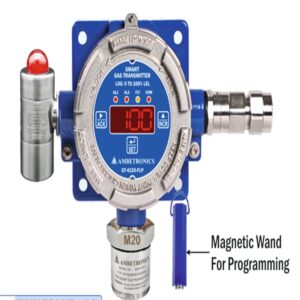
AMBETRONICS – Addressable Gas Detector 4 wire – Model GT-4220-FLP-A
The AMBETRONICS GT-4220-FLP-A is a high-end, flameproof addressable gas leak detector designed for combustible gases like LPG, CNG, PNG, LNG, and natural gas. Built with a PESO-certified Ex d enclosure and advanced sensor technologies, this unit delivers fast and reliable detection in hazardous industrial environments. It boasts a durable, IP-68 rated housing for rugged applications, combined with intuitive non-intrusive programming via a magnetic wand.
Close
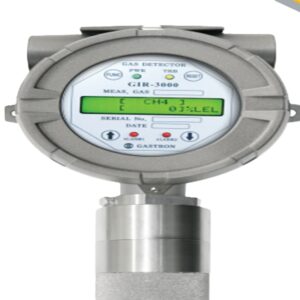
Gastron GIR 3000 Explosion Proof Type Diffusion Infrared Gas Detector PART NO: 3408010-0028
The Gastron GIR 3000 is an explosion-proof infrared (IR) gas detector designed for continuous monitoring of flammable gases, including hydrocarbons (like

Close
Karam Gas Detector UGS for CO, O₂, H₂S Gas Detection
Karam portable detectors measure gas continuously, display the concentration and raise an alarm when a risk occurs. Reliable Gas Detection
Close
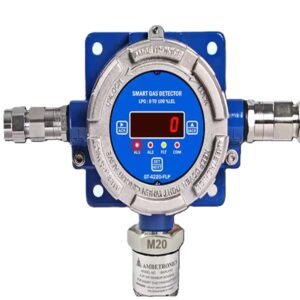
GT-4220-FLP-A – Gas Leak Detector for Combustible Gases
The Gas Leak Detector for Combustible Gases – GT-4220-FLP, a Flameproof and PESO Certified Smart Gas Detector/Transmitter, is meticulously crafted
Close
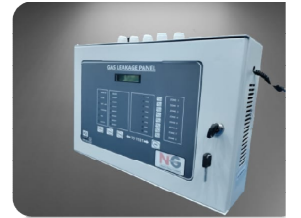
NG GLOBAL-GEACP6Z 6Z-GAS ALARM PANEL
Enhance your facility’s gas safety infrastructure with the 6 Z-GAS Alarm Panel, a centralized monitoring system designed to detect gas
Close
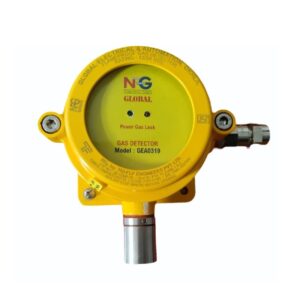
NG Global-GEA0319 GAS DETECTOR LPG/PNG – YELLOW
Stay ahead of gas-related hazards with the Global NG GEA0319 Fixed Gas Detector. Designed for continuous monitoring of LPG and
Close
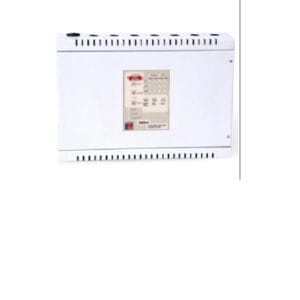
Vighnaharta-GDS-2-2 Zone Conventional Gas Detection System
The detector goes into alarm condition due to gas
or heat detection. Early gas detection depends on
having adequate number of detectors placed at
appropriate locations.
• The gas detection system should be installed
properly to provide adequate protection.
• Every installation is evaluated by a security
professional to ensure that all access points & area
are covered
Close
TrueSafe -Gas Leak Detector – TS12CLR EX LEL
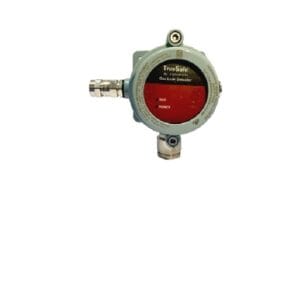
Microprocessor based system reads sensor output and indicates the concentration of gas in atmosphere. It is measured in % LEL (lower explosive limit). This wall mounted unit is designed for permanent installation with replaceable sensor. Detects gases with concentration between 0 to 100% LEL with user defined high and low alarm level.
Close
Ambetronics EMB-770-FLP Flame Proof Radiant Energy Ember Detector
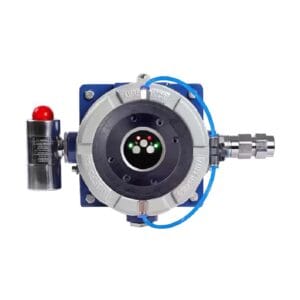
High-Speed Ember Detection. Hazardous Environment Design. Optical Cleaning System. Ember Verification. Low Power Consumption. Sunlight Insensitivity. Multiple Output Options. User Programmable. Extensions and Optional Features.
Close
GasRaksha-GR230HLB/GR230HLRB
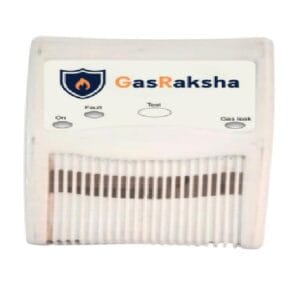
GasRaksha is capable of detecting and giving early
warning of LPG(or LNG/PNG/CNG etc)leaks from
cylinders or through pipelines. Thus it protects you
from the hazards of a possible gas explosion before
It occurs. However care should be taken to choose
the right location for the unit by following the
installation procedure.
Close
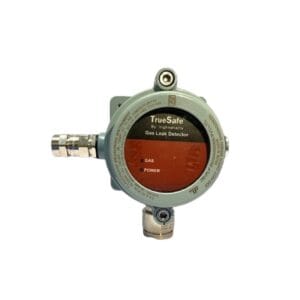
TrueSafe TS21I-CAT-H2 Industrial Catalytic Type Hydrogen Gas Leak Detector
TrueSafe TS21I-CAT-H2 Industrial Catalytic Type Hydrogen Gas Leak Detector is an industrial-grade device designed to detect hydrogen (H?) gas leaks with high accuracy and reliability. Ideal for environments such as refineries, chemical plants, laboratories, and hydrogen storage facilities, this detector employs advanced catalytic sensor technology for fast and accurate hydrogen detection.
Close
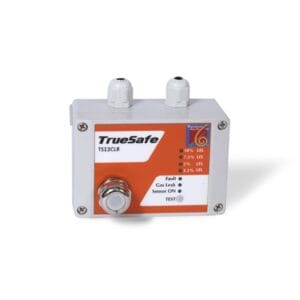
TrueSafe TS21I-CLR-EX Industrial Grade Gas Leak Detector
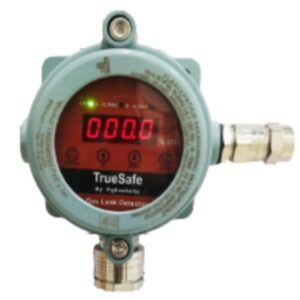
TrueSafe TS21I-CLR-EX Industrial Grade Gas Leak Detector is designed for the rigorous demands of industrial environments, providing reliable gas leak detection for a range of hazardous and combustible gases. Engineered to offer high-precision monitoring, the TS21I-CLR-EX is ideal for use in factories, refineries, storage facilities, and other high-risk areas where gas leaks could pose serious safety risks.
Close
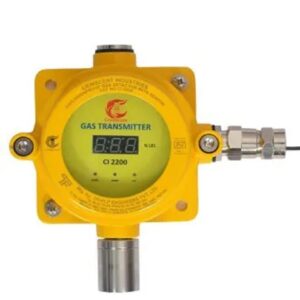
TrueSafe TS12CLR Commercial Gas Leak Detector
TrueSafe TS12CLR Commercial Gas Leak Detector is a high-performance device tailored to meet the demands of commercial and industrial spaces. This detector is designed to provide dependable, real-time monitoring and alerts for gas leaks, ensuring a safe environment in areas where gas presence could be hazardous. Ideal for use in commercial kitchens, warehouses, workshops, and other high-risk areas
Close
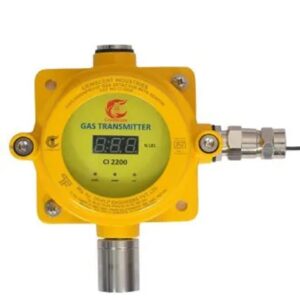
Crimscent Flame Proof CNG Gas Leak Detector-CI2200
PESO/CMRI Certified. Explosion Proof / Weather Proof. IP 66 Rating. Capable of detecting in PPM, Percentage LEL, Percentage V/V. Digital Display of Gas Concentration on LED Display. Analog Industry output 4-20mA. Digital Communication on RS485. 2 Configurable Potential free relays contacts. Span and Zero Calibration functions, make the detection more accurate and reliable. Fault Diagnosis & self testing Alarm LED's with Relay. 2,3 or 4 wires technology.
Close
Crimscent Flame Proof PNG Gas Leak Detector-CI2200
PESO/CMRI Certified. Explosion Proof / Weather Proof. IP 66 Rating. Capable of detecting in PPM, Percentage LEL, Percentage V/V. Digital Display of Gas Concentration on LED Display. Analog Industry output 4-20mA. Digital Communication on RS485. 2 Configurable Potential free relays contacts. Span and Zero Calibration functions, make the detection more accurate and reliable. Fault Diagnosis & self testing Alarm LED's with Relay. 2,3 or 4 wires technology.
Close
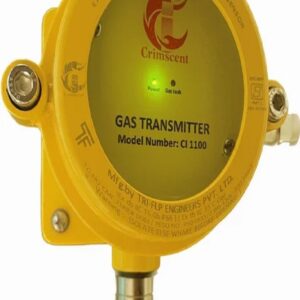
Crimscent Flame Proof PNG Gas Leak Detector-CI1100
12 VDC/VAC or 24 VDC/VAC Operation. Self-Purging semiconductor Sensor requires no maintenance or recalibration. SPDT (Form C) Alarm Relay and SPST (Form A) trouble relay designed for seamless connection to Control Panels or other Devices. Installer selectable self-Restoring or Latching functionality. Red and Green LED status Indicators.
Close
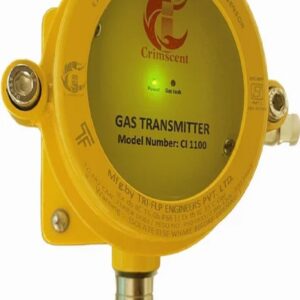
Crimscent Flame Proof LPG Gas Leak Detector-CI1100
12 VDC/VAC or 24 VDC/VAC Operation. Self-Purging semiconductor Sensor requires no maintenance or recalibration. SPDT (Form C) Alarm Relay and SPST (Form A) trouble relay designed for seamless connection to Control Panels or other Devices. Installer selectable self-Restoring or Latching functionality. Red and Green LED status Indicators.
Close
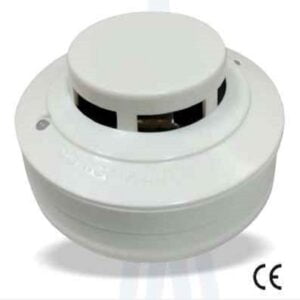
ASES Portable LPG Gas detector. Model No.AS612LPG
4 Wire LPG Gas detector. Healthy and Alarm. Inbuilt LED indication. Attractive Look. 4 Wire Connectivity.
Close
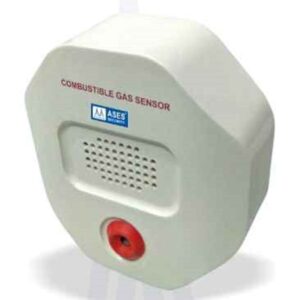
ASES Portable CO Gas Detector. Model No. AS611CO
Portable CO Gas detector. Healthy and Alarm. Inbuilt LED indication. Inbuilt sounder. Attractive look.
Close
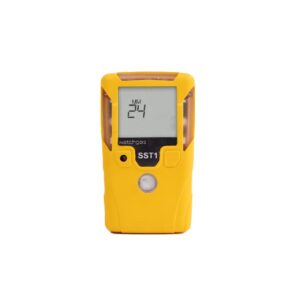
Watchgas SST1 Single Gas Detector
Watchgas SST1 Single Gas Detector provides up to three years maintenance free operation and is available in H2S, SO2, CO
Gas Detector FAQs
What is a gas detector and how does it work?
A gas detector is a safety device that detects the presence and concentration of harmful or combustible gases in the air. It uses sensors to monitor gas levels and triggers an alarm when levels exceed safe limits.
Why is my gas detector not detecting a gas leak?
This may happen due to sensor failure, incorrect placement, or lack of maintenance. Ensure the detector is installed in the correct location, regularly calibrated, and serviced to maintain accuracy.
What types of gases can gas detectors detect?
Gas detectors can detect combustible gases (like LPG and methane) and toxic gases (like carbon monoxide and hydrogen sulfide), depending on the sensor type used.
Where should gas detectors be installed?
Gas detectors should be installed near gas sources such as kitchens, boiler rooms, industrial plants, and storage areas. Placement depends on gas type lighter gases rise, while heavier gases settle near the floor.
Why are gas detectors important for safety?
Gas detectors provide early warning of leaks, preventing fire, explosions, and health hazards. They continuously monitor air quality and alert occupants before gas levels become dangerous.
What are the different types of gas detectors?
Common types include catalytic, infrared (IR), and electrochemical gas detectors. Each type is designed to detect specific gases and environments for accurate monitoring.
Can gas detectors work during power failures?
Yes, many gas detectors come with battery backup or standalone power systems, ensuring continuous operation even during power outages.
What causes false alarms in gas detectors?
False alarms can occur due to sensor contamination, high humidity, temperature changes, or exposure to non-target gases. Regular calibration and proper installation help reduce false alerts.
How often should gas detectors be tested and maintained?
Gas detectors should be tested monthly, calibrated periodically, and serviced every 6–12 months to ensure accurate detection and reliable performance.
How can I purchase gas detectors or get installation support?
You can explore a wide range of gas detectors and safety solutions from Fire Supplies. Visit their website to choose the right detector or contact their team for pricing, bulk orders, and installation assistance.

